Public-Private Partnership Mechanisms in Infrastructure Development: A Comprehensive Guide for the EU
Explore the intricacies of Public-Private Partnership (PPP) mechanisms in the EU, focusing on their relevance in infrastructure development, regulatory frameworks, and best practices for engineers and architects.
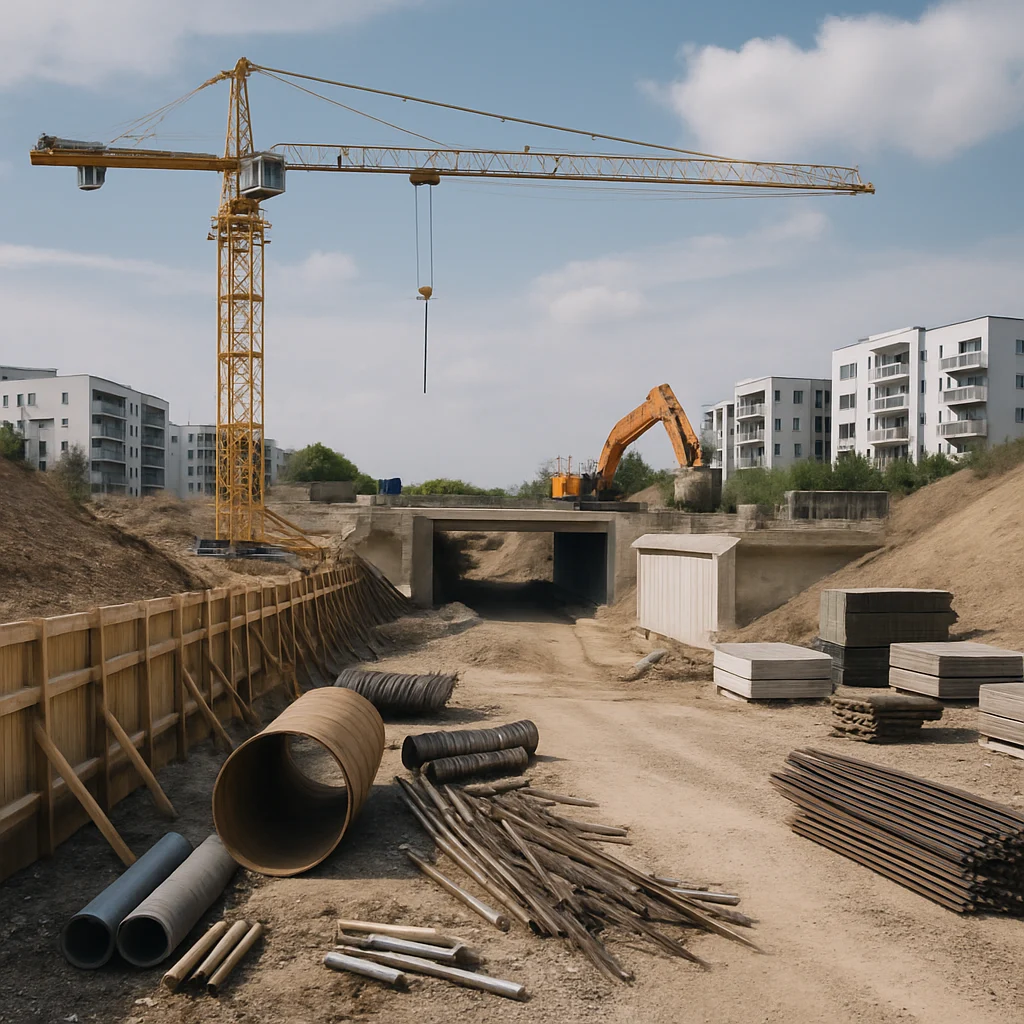
The landscape of infrastructure development in the European Union (EU) is evolving, significantly influenced by the increasing adoption of Public-Private Partnerships (PPPs). These collaborative arrangements between public sector entities and private investors have become crucial in addressing the vast infrastructure needs facing EU member states. This article provides a detailed exploration of PPP mechanisms, relevant standards, codes, and their implications for engineers, architects, builders, and real-estate professionals.
Understanding Public-Private Partnerships (PPPs)
Public-Private Partnerships are collaborative agreements where the public sector contracts the provision of services or infrastructure to the private sector. These partnerships are designed to leverage the strengths of both sectors, combining public policy objectives with private sector efficiency and innovation. In the EU context, PPPs are particularly significant in financing, building, and managing public infrastructure projects, ranging from roads and bridges to schools and hospitals.
The Legal Framework Governing PPPs in the EU
In the EU, the regulatory landscape for PPPs is shaped by both European directives and national legislation. The key directives include:
- Directive 2014/24/EU: This directive regulates procurement processes for public sector contracts, emphasizing transparency, competition, and non-discrimination in tendering.
- Directive 2014/23/EU: This directive specifically addresses the award of concession contracts, which are often pivotal in the implementation of PPP projects.
- Directive 2014/25/EU: This directive applies to utilities in sectors such as water, energy, transport, and postal services, impacting how contracts are awarded in these critical areas.
Each Member State is also responsible for its own PPP regulations, which must align with these EU directives while considering local contexts.
Key Types of PPP Structures
There are various models of PPPs, each tailored to specific project needs and regulatory requirements:
| Type of PPP | Description | Example |
|---|---|---|
| Design-Build (DB) | The private sector handles both design and construction under a single contract. | New highway construction. |
| Design-Build-Finance (DBF) | The private partner designs and builds the project and is also responsible for financing. | School building projects. |
| Build-Operate-Transfer (BOT) | The private sector builds and operates the facility for a fixed period before transferring it back to the public sector. | Airport development projects. |
| Joint Ventures | Public and private entities collaborate to share risks and rewards throughout the project lifecycle. | Urban redevelopment initiatives. |
Benefits of Utilizing PPP Mechanisms
Engaging in PPPs offers numerous advantages, including:
- Risk Sharing: PPPs allow for the distribution of financial and operational risks between the public and private sectors.
- Access to Private Capital: They provide public entities access to private funding, alleviating budget constraints for large infrastructure projects.
- Enhanced Efficiency: The private sector's involvement can lead to improved efficiency through innovative construction techniques and project management practices.
- Long-term Maintenance: PPP contracts often include long-term operation and maintenance responsibilities, ensuring that projects remain viable and well-maintained.
Challenges and Considerations in Implementing PPPs
Despite the potential benefits, PPPs are not without challenges. Key considerations include:
- Complexity: The negotiation and structuring of PPP contracts can be complex and time-consuming.
- Regulatory Compliance: Navigating EU and national regulations requires expertise, making it essential to involve legal professionals during contract development.
- Public Perception: There can be skepticism regarding the motives of private entities in public projects, necessitating transparent communication strategies.
Conclusion
As the EU continues to face pressing infrastructure challenges, Public-Private Partnerships (PPPs) stand out as a vital mechanism for fostering collaboration between public and private sectors. Understanding the various PPP structures, their regulatory framework, and the benefits and challenges they entail is crucial for engineers, architects, builders, and real-estate professionals looking to engage effectively in this realm. By leveraging the strengths of both sectors, PPPs can contribute significantly to the sustainable and efficient development of infrastructure across the EU.