Home and Commercial Appliance Repair: Installation, Maintenance, and Common Problems
Reliable appliances support comfortable homes, productive workplaces, and efficient building operations. This guide explains fitting, installation, preventive maintenance, common faults, safety concerns, and when professional repair is the right choice.
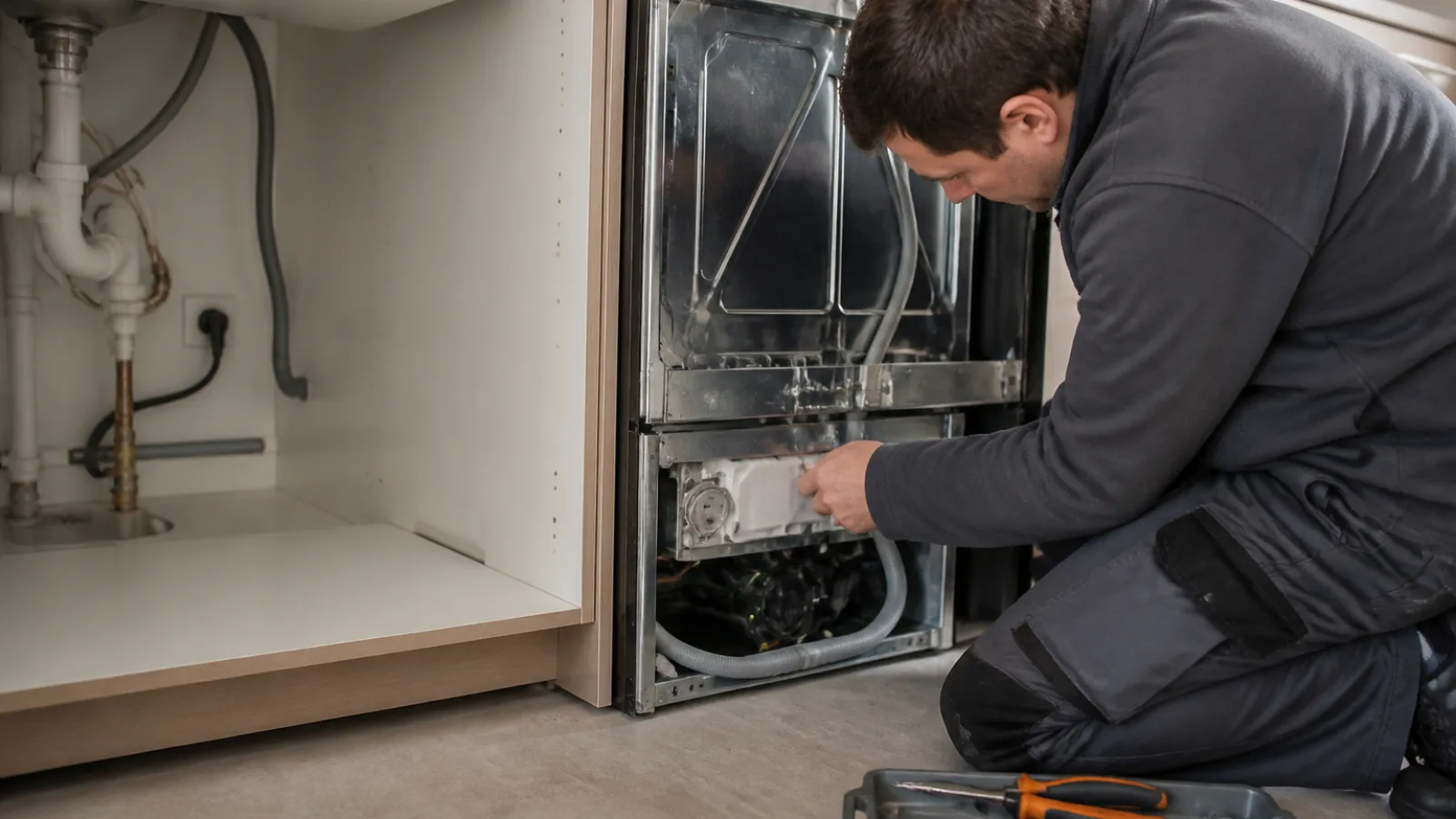
Appliances are an important part of modern property construction and maintenance. In a home, a properly fitted cooker, refrigerator, washing machine, or water heater supports everyday comfort. In a commercial building, appliances may be essential to food preparation, laundry, cleaning, or staff facilities. Property owners researching broader repair options may also review https://icrsusa.com/ while planning suitable maintenance support.
Home and commercial appliance repair involves more than replacing a failed component. It can include site assessment, safe disconnection, accurate fitting, electrical or water connections, fault diagnosis, repairs, testing, and ongoing maintenance. Handling each stage correctly helps protect the building, its occupants, and the appliance itself.
Home Appliance Installation and Fitting
Installation begins before an appliance is moved into position. The available space must be checked for width, depth, height, ventilation, access, and door clearance. Built-in ovens, dishwashers, refrigerators, and washing machines also need suitable cabinetry, drainage, pipework, and electrical points. A small measurement error can result in vibration, restricted airflow, damaged finishes, or difficulty accessing the appliance for future service.
Fitting should follow the manufacturer’s instructions and the requirements of the property. Washing machines need stable, level flooring and correctly secured hoses. Refrigerators require adequate ventilation around heat-releasing components. Cookers and other heat-producing appliances need appropriate clearances and safe connections. Where a renovation changes the kitchen or utility room, appliance locations should be coordinated with plumbing, electrical, flooring, and cabinetry work rather than treated as an afterthought.
Common Appliance Problems and Warning Signs
Many appliance faults develop gradually. Recognising early warning signs can prevent more extensive damage and reduce disruption.
- Unusual noise or vibration: Rattling, grinding, or excessive movement may indicate worn bearings, loose parts, an unbalanced load, or an appliance that is not level.
- Leaks or dampness: Water around a dishwasher, washing machine, refrigerator, or water-using appliance may result from a failed seal, loose connection, blocked drain, or damaged hose.
- Overheating or burning smells: These signs may indicate an electrical fault, blocked ventilation, a damaged cable, or a failing internal component. The appliance should be switched off and assessed.
- Poor performance: Food that is not cooling, clothes that remain wet, or an oven that cannot hold temperature may point to sensor, heating, drainage, or control problems.
- Repeated tripping: A circuit breaker or residual-current device that trips when an appliance operates should not be repeatedly reset without finding the cause.
- Error codes or intermittent operation: These can identify sensor, control-board, water-flow, or communication faults and should be recorded before calling a technician.
Ignoring these symptoms can turn a manageable repair into a larger issue. Leaks may damage flooring, cabinets, drywall, or subfloors, while electrical faults can create serious safety risks.
Commercial Appliance Repair and Maintenance
Commercial appliances often operate for longer hours and under heavier loads than domestic equipment. A restaurant dishwasher, commercial oven, laundry system, ice machine, or refrigerator may be central to daily operations. When one fails, the impact can include delayed service, spoiled stock, hygiene concerns, and disruption to staff or customers.
Commercial appliance repair should account for the working environment, equipment duty cycle, access requirements, and the consequences of downtime. Technicians may need to inspect ventilation, drainage, water pressure, electrical supply, temperature control, and the condition of connected fixtures. Repairs should be documented so property managers can identify recurring problems and plan future replacement or refurbishment work.
Maintenance schedules should reflect the appliance type and level of use. High-use equipment may require more frequent cleaning, filter checks, seal inspection, temperature verification, and professional servicing than similar equipment in a private home. Keeping service areas clear also improves access, ventilation, and workplace safety.
The Importance of Correct Installation
Correct installation affects performance, service life, energy use, and safety. An appliance that is poorly levelled may vibrate or place stress on internal parts. Inadequate ventilation can cause overheating. Incorrect drainage can lead to backflow or leaks, and an unsuitable electrical supply may damage components or overload a circuit.
Installation also matters during property renovation. New appliances should be selected alongside the building’s available power capacity, plumbing layout, ventilation system, and finish materials. Coordinating these details early avoids costly alterations after cabinets, walls, or flooring have been completed.
Preventive Maintenance for Appliances
Preventive maintenance is usually more practical than waiting for a complete failure. Basic tasks include cleaning filters, removing lint, checking hoses, inspecting seals, clearing approved drainage areas, and keeping ventilation openings unobstructed. Owners should follow the appliance manual and avoid using cleaning products or replacement parts that are not suitable for the equipment.
Commercial operators should also maintain service records, note recurring error codes, and establish procedures for reporting leaks, unusual sounds, temperature changes, or electrical concerns. Routine checks can identify deteriorating hoses, cracked seals, corrosion, loose connections, and restricted airflow before they cause a shutdown.
Repair Versus Replacement
Repair is often sensible when the appliance is relatively new, the fault is clearly identifiable, and replacement parts are available. Replacement may be more appropriate when equipment is near the end of its expected service life, requires repeated repairs, has major corrosion or structural damage, or no longer meets the property’s capacity and efficiency needs.
The decision should consider more than the immediate repair cost. Owners should assess reliability, energy and water consumption, warranty status, compatibility with existing connections, availability of parts, and the cost of downtime. For commercial properties, a dependable replacement may offer better operational value than repeated emergency repairs.
Safety and Electrical or Water Connections
Appliances combine electricity, heat, moving parts, gas in some cases, and water. Before inspection, the appliance should be isolated according to the manufacturer’s instructions. Water supplies should be shut off when appropriate, and electrical work should only be carried out by a suitably qualified professional in accordance with applicable requirements.
Do not use an extension lead or adapter as a permanent solution for a high-load appliance unless it is specifically approved for that purpose. Damaged cables, exposed wires, scorched outlets, gas smells, active leaks, and repeated breaker trips require immediate attention. Keep children, staff, and other occupants away from unsafe equipment until it has been made safe.
When to Call a Professional Technician
Professional service is appropriate when an appliance will not operate, repeatedly trips a protective device, leaks internally, overheats, produces a burning smell, or requires access to electrical, gas, sealed refrigeration, or complex control components. A technician is also advisable for built-in appliance installation, commercial equipment, difficult-to-access connections, and faults that remain after basic manufacturer-approved checks.
Before arranging a visit, record the appliance model, symptoms, error codes, recent changes, and any visible damage. This information can help with diagnosis and ensures the technician understands the building conditions. Professional assessment protects the property from avoidable damage and helps determine whether repair, component replacement, or full appliance replacement is the most suitable option.
Conclusion
Effective appliance care begins with correct fitting and installation, continues through regular maintenance, and depends on prompt action when warning signs appear. Whether the setting is a private home, rental property, office, restaurant, or other commercial building, safe connections and timely professional repairs help protect the equipment and the wider property. A planned approach to appliance maintenance supports reliable building operation and reduces the likelihood of costly, disruptive failures.