The Future of Mechatronics Engineering: Innovations in Smart Prosthetics
Explore the revolutionary impact of mechatronics engineering on the development of smart prosthetics, blending technology with human agility and independence.
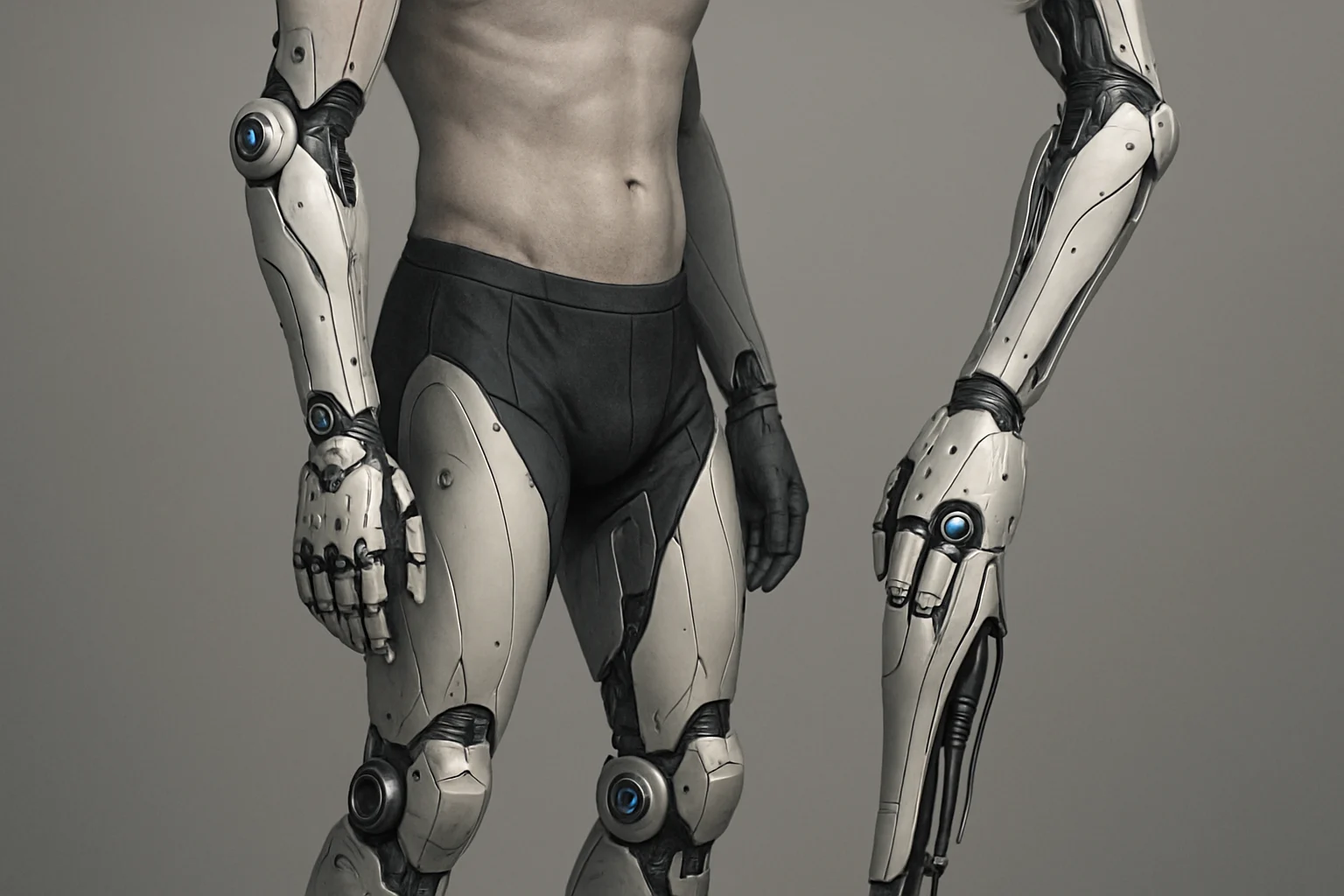
In the realm of engineering and technology, the convergence of disciplines often heralds the most significant advancements. Mechatronics engineering, an interdisciplinary sector that merges mechanical engineering, electronic engineering, computer science, and control engineering, stands at the forefront of such innovations. Among its most impactful applications is the development of smart prosthetics, devices designed not only to replace lost limbs but to enhance the quality of life through increased functionality and adaptability. This article delves into the remarkable advancements in smart prosthetics driven by mechatronics engineering, exploring their design, functionality, and the future that lies ahead.
Understanding Smart Prosthetics
Smart prosthetics represent a significant evolution from traditional prosthetic limbs. Rather than merely serving as passive replacements, these devices incorporate cutting-edge technologies that enable active engagement with their environment. They are designed to communicate with the user’s body and interpret signals to facilitate natural movement.
The term "smart prosthetics" encompasses a range of devices equipped with sensors, actuators, and microcontrollers that work together. These components allow for:
- Sensory Feedback: Providing users with real-time feedback from the prosthetic limb.
- Adaptive Learning: The ability to learn the user’s habits and adjust performance accordingly.
- Connectivity: Integration with smartphones and other devices for enhanced functionality.
The Role of Mechatronics in Smart Prosthetics
Mechatronics engineering plays an integral role in the design and functionality of smart prosthetics. Several key components exemplify how this engineering discipline contributes to the field:
1. Sensors
Sensors are critical for detecting motion, pressure, and other parameters. In smart prosthetics, they enable the device to respond to the user’s movements and environmental conditions. Common types of sensors used include:
- Force Sensors: Measure the amount of pressure applied, helping to control grip strength.
- Accelerometers: Detect orientation and movement, offering insight into how the user is navigating their environment.
- Gyroscopes: Provide information about angular motion, crucial for maintaining balance.
2. Actuators
Actuators convert electrical energy into mechanical motion, allowing the prosthetic limb to move in a coordinated manner. The choice of actuator affects the speed and accuracy of movements. There are various actuator types utilized:
- Servo Motors: Provide precise control over position and speed.
- Pneumatic Actuators: Utilize compressed air for movement, offering lightweight and powerful solutions.
- Linear Motors: Deliver straight-line motion, which can be essential for prosthetic joints.
3. Control Systems
The brain of smart prosthetics lies in its control system, which processes information from sensors and directs actuators accordingly. These systems often incorporate:
- Microcontrollers: Small computing units that handle sensor data and actuator commands.
- Algorithms: Complex mathematical formulations that execute tasks such as motion prediction or real-time adjustments.
- Machine Learning: Enhancing the adaptability of devices by allowing them to learn user behaviors over time.

These components together create a prosthetic limb that not only mimics the functionality of a biological limb but responds intelligently to the user’s needs.
Case Studies: Innovations in Smart Prosthetics
Several pioneering companies and research institutions have achieved remarkable breakthroughs in smart prosthetics through the principles of mechatronics engineering:
1. Prosthetic with Neural Interface
Recent developments have led to prosthetics that use neural interfaces to interpret brain signals directly. This approach requires intricate integration of biosensors and machine learning algorithms that continuously adapt to the user’s intent. Such devices can execute sophisticated tasks like grasping objects with precise grip strength, significantly enhancing user experience.
2. Bionic Limbs with Sensory Feedback
Advanced bionic limbs are now being designed to include sensory feedback systems that enable users to perceive touch and pressure. This technology bridges the gap between artificial and natural limb function, allowing individuals to feel sensations, which is crucial for tasks like holding fragile objects without crushing them.
3. 3D Printed Prosthetic Limbs
The advent of 3D printing technology in mechatronics has revolutionized the production of prosthetic limbs. Custom-fit devices can be produced quickly and affordably, tailored specifically to the user’s anatomy. This innovation not only reduces production costs but also facilitates rapid prototyping, leading to continuous improvements in design.
Challenges and Future Directions
Despite the advancements, several challenges remain in the field of smart prosthetics. Among these are:
- Cost: High-end prosthetics integrating advanced technologies can be prohibitively expensive.
- Power Supply: Developing efficient power sources for prolonged use without adding significant weight.
- Durability: Ensuring that prosthetics can withstand daily use in various environments.
Looking ahead, the future of smart prosthetics in mechatronics engineering is promising. Emerging technologies such as biodegradable materials, enhanced AI integration, and even bioengineered limbs may redefine what is possible. Furthermore, collaborative efforts among engineers, healthcare professionals, and patients will be essential for developing ever more intuitive and effective solutions.
Conclusion
The intersection of mechatronics engineering and smart prosthetics demonstrates how technology can profoundly impact human life, offering renewed independence and enhanced capabilities to individuals with limb loss. As we continue to explore the boundaries of innovation within this field, the ongoing commitment to solving current challenges will pave the way for a future where smart prosthetics become an integral part of human mobility and functionality.