Day vs Night Apartment Visits: What Buyers Often Miss During Property Inspections
Discover why a single daytime property viewing is never enough. This expert guide explains the critical differences you'll only notice by visiting an apartment during both the day and night, helping you avoid costly mistakes.
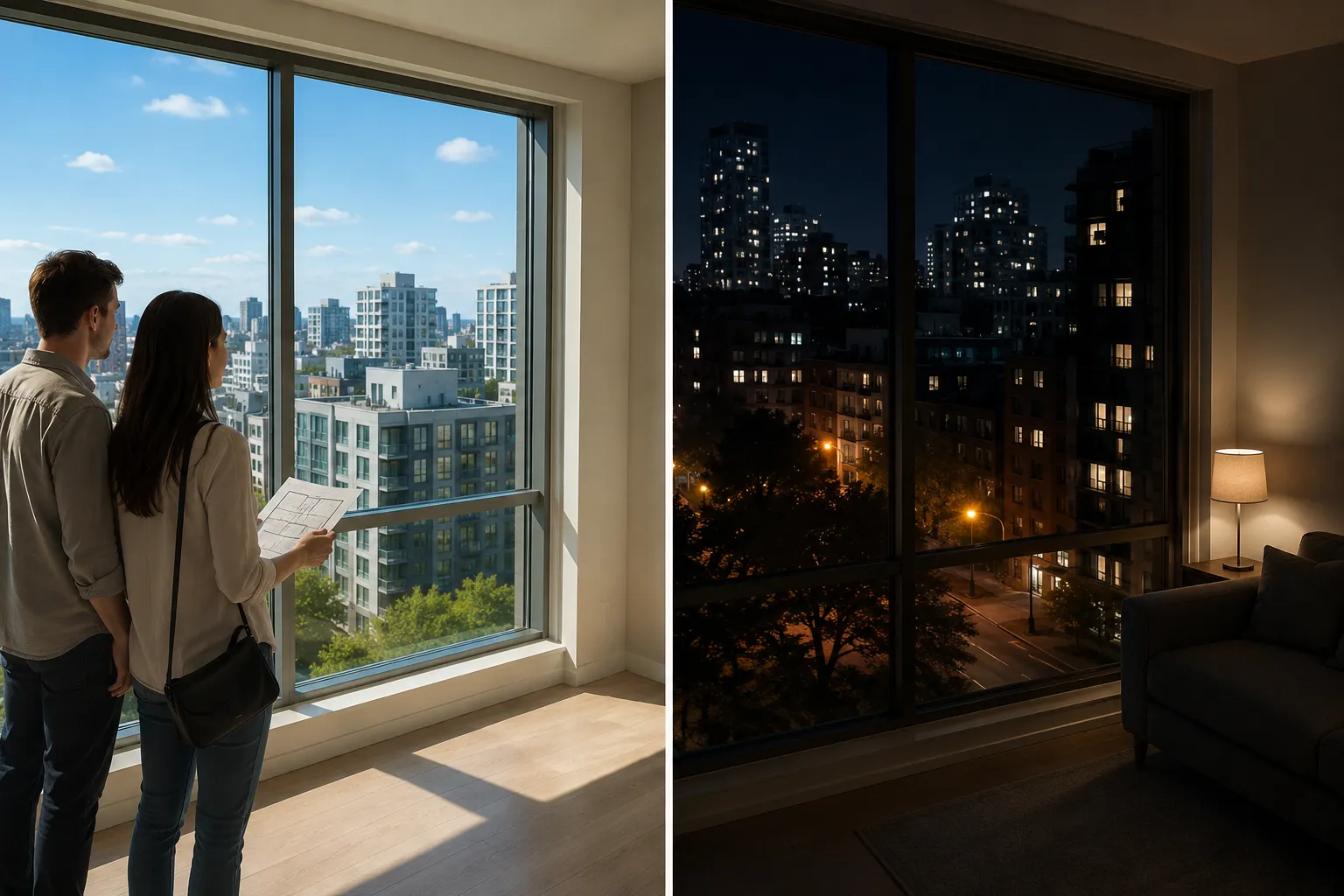
The apartment seems perfect. Bathed in midday sunlight, the rooms feel spacious, the view is serene, and the neighborhood appears quiet. It’s easy to fall in love with a property under these ideal conditions. But what happens after the sun sets? That peaceful street could transform into a noisy thoroughfare, hidden humidity issues may become apparent, and the sense of security might diminish. A single daytime visit only tells half the story.
Making one of the biggest financial decisions of your life based on a 30-minute snapshot is a significant risk. To truly understand a property, you must experience it at different times. This guide provides a comprehensive apartment inspection checklist and outlines why a day vs night apartment inspection strategy is non-negotiable for any serious buyer or renter.
Why Apartment Visits Should Never Happen Only Once
Relying on a single viewing is a common mistake driven by excitement and a fast-paced market. Buyers often make emotional decisions, overlooking practical flaws that can impact long-term living comfort. A property’s character is not static; it changes with the rhythm of the day.
A daytime visit gives you a limited impression, often curated by the seller or agent to show the property in its best light. Hidden environmental factors like evening traffic, noise from nearby bars, or poor exterior lighting are completely missed. Understanding these dynamics is crucial for a comprehensive property evaluation and ensuring your new home is a sanctuary, day and night.
What Buyers Notice During Daytime Apartment Visits
Daytime viewings are essential for assessing specific qualities that are impossible to gauge in the dark. This is your opportunity to evaluate the apartment's core features and its relationship with the natural environment. Focus on these key areas during your initial visit.
Natural Sunlight and Room Brightness
Pay close attention to how much natural light enters each room. Note the orientation of the windows and balcony—south-facing windows typically receive the most sunlight throughout the day. Good natural light not only reduces electricity bills but also significantly boosts mood and well-being.
Ventilation and Airflow
Open the windows to check for cross-ventilation. Does the air flow freely through the apartment? Stagnant air can be an indicator of poor design and may contribute to humidity problems. This is also a good time to assess the general air quality and notice any external odors.
Visibility and Surroundings
During the day, you can clearly see the condition of neighboring buildings, the cleanliness of the streets, and the proximity to amenities. Look out the windows from every room. Is your view obstructed? Do you have privacy from neighbors? These are critical property viewing tips that are easily assessed with clear daylight.
Problems That Often Appear Only at Night
A second visit after dark reveals a completely different side of an apartment and its neighborhood. This is where you uncover the lifestyle and environmental factors that a daytime tour conceals. Ignoring this step is a frequent and costly oversight.
Traffic, Nightlife, and Neighborhood Noise
A street that is tranquil at 11 AM can become a major route for commuters during the evening rush hour. Proximity to restaurants, bars, or event venues might seem like a perk until you experience the noise levels on a Friday night. Listen for loud music, shouting, or consistent vehicle sounds that weren't present earlier.
For example, a client once considered an apartment near what seemed to be a quiet community hall. A nighttime visit revealed the hall hosted loud events three nights a week, with guests parking erratically and talking loudly on the street until late—a deal-breaker they would have otherwise missed.
Parking Congestion and Security
Is the dedicated parking spot you were shown easily accessible when most residents are home? Street parking availability can drastically change in the evening. Furthermore, walk the path from the parking area to your potential front door. Are the walkways, stairwells, and entrances well-lit? Poor lighting can be a significant security concern.
Hidden Humidity and Water Problems
Moisture issues are one of the most serious hidden problems in an apartment, often leading to mold, structural damage, and health concerns. These problems can be more detectable in the evening when temperature changes cause condensation to form.
Signs of Humidity and Mold
When you visit, be alert for a musty or damp smell, especially in bathrooms, kitchens, and closets. Look for peeling paint, water stains (discoloration) on ceilings or walls, and condensation on the inside of windows. Check behind furniture and inside cabinets, as these are common areas for mold to grow undetected.
A real estate investor I advised was close to purchasing a renovated unit that looked pristine. During a second, more thorough visit, we noticed the bathroom fan was noisy but ineffective. After running a hot shower for a few minutes with the door closed, the walls were dripping with condensation—a clear sign of a ventilation issue that would inevitably lead to mold. This simple test saved the investor from a costly remediation project.
Thorough property evaluation requires looking beyond the surface. For home buyers and investors seeking to make informed decisions, accessing professional real estate and property inspection insights can provide the necessary framework for identifying such critical issues before they become major liabilities.
Water Pressure and Plumbing Checks
Test the water pressure in the kitchen and all bathrooms simultaneously. A significant drop in pressure when multiple faucets are running could indicate systemic plumbing issues in the building, which are often more pronounced during peak usage hours in the evening.
Parking, Accessibility, and Neighborhood Conditions
Practical logistics are a cornerstone of comfortable living. How you access and move around your home environment is just as important as the apartment itself. The day vs night apartment inspection approach is critical for evaluating these factors accurately.
Observe parking availability after 6 PM. Are there any spots left for a second car or for guests? Assess rush-hour traffic by driving to and from the property during peak times. If you rely on public transportation, walk the route from the nearest stop at night to gauge pedestrian safety and lighting. A well-lit, visible path is essential for personal security.
Apartment Inspection Checklist for Buyers and Renters
Use this structured apartment inspection checklist during both your day and night visits. Document your findings for each visit to compare them objectively. This is one of the most effective apartment inspection tips for a thorough assessment.
Lighting and Sunlight
- Day: How much natural light does each room receive? Note the direction the windows face.
- Night: Are the interior light fixtures adequate? Is the exterior of the building and surrounding area well-lit?
Humidity and Smell Inspection
- Day & Night: Is there a musty, damp, or any other persistent odor? Check under sinks and in closets.
- Night: Look for condensation on windows, which is more likely to appear as temperatures drop.
Water Pressure Checks
- Day & Night: Turn on multiple faucets (e.g., kitchen sink and shower) to check for pressure drops. Flush toilets to see how quickly they refill.
Sound Isolation
- Day: Listen for construction, traffic, and general daytime neighborhood sounds.
- Night: Listen for noise from neighbors (TV, music, footsteps), local nightlife, and late-night traffic.
Neighborhood Evaluation
- Day: Observe the upkeep of the area, local parks, and daytime commercial activity.
- Night: Note the neighborhood's evening character. Is it lively, quiet, or deserted? Do you feel safe walking around?
Security Observations
- Day: Check the condition of locks on doors and windows. Does the building have a secure entry system?
- Night: Verify that all common areas, hallways, and parking lots are properly illuminated.
Common Mistakes People Make During Property Visits
Even with the best intentions, it's easy to make mistakes during a property viewing. Being aware of these common pitfalls can help you stay focused and objective.
The most significant error is rushing a decision after a single visit. Buyers often get caught up in the aesthetic appeal—fresh paint, new appliances, or stylish staging—and overlook foundational issues. Another mistake is ignoring the immediate surroundings; failing to speak with potential neighbors can mean missing out on invaluable insights about the building's management, noise levels, and community.
Final Recommendations Before Signing Any Agreement
Before you commit, ensure you have a complete picture of your potential new home. Multiple visits at different times and on different days (e.g., a weekday evening vs. a weekend afternoon) are not an inconvenience; they are an essential part of your due diligence.
Compare your notes from the daytime and nighttime visits. Make your decision based on a logical and comprehensive property evaluation, not just emotion. If you have any doubts about structural integrity, plumbing, or electrical systems, do not hesitate to consult a professional home inspector.
At Vision Constructors, we believe an informed decision is a smart decision. By using a thorough apartment viewing guide and committing to a dual-visit strategy, you empower yourself to choose a home that truly fits your lifestyle, budget, and expectations for years to come.
Frequently Asked Questions (FAQ)
What is the best time of day to view an apartment?
There is no single best time. The most effective strategy is to view an apartment at least twice: once during the day to assess natural light and the property's condition, and once at night or in the evening to evaluate noise levels, lighting, security, and the neighborhood's atmosphere.
What are red flags to look for when inspecting an apartment?
Key red flags include musty or damp smells (indicating moisture problems), poor water pressure, cracks in walls or ceilings, signs of pests, peeling paint, foggy double-paned windows (broken seal), and poorly lit common areas. Any reluctance from the seller or agent to allow a second, nighttime visit is also a major red flag.
How many times should you visit an apartment before buying?
Ideally, you should visit a property two to three times before making an offer. A weekday daytime visit, a weeknight evening visit, and a weekend visit will provide a comprehensive understanding of the property and its surrounding environment throughout the week.
Should I talk to the neighbors before renting or buying?
Absolutely. If you have the opportunity, speaking with a potential neighbor is one of the best property viewing tips. They can offer candid insights into the building's management, noise levels, the general community, and any recurring issues that you would never discover on your own.