Green Building Certifications and Their Impact on Real Estate Premiums in Lebanon
Explore how green certifications like BREEAM and LEED influence property values in Lebanon. This article delves into market trends, valuation impacts, and the socio-economic drivers behind sustainable real estate.
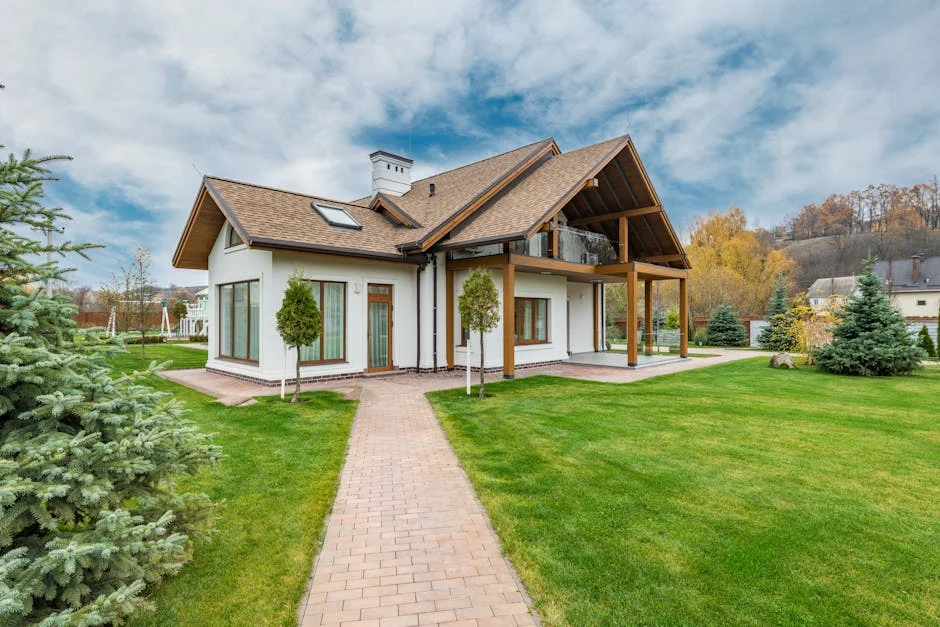
The real estate market in Lebanon is undergoing significant transformation, driven by sustainability concerns, economic imperatives, and local preferences. Central to this change are green building certifications, notably BREEAM (Building Research Establishment Environmental Assessment Method) and LEED (Leadership in Energy and Environmental Design). This article explores how these certifications influence property values, market dynamics, and investor interest in the Lebanese context.
Understanding Green Certifications
Green certifications serve as benchmarks for assessing the environmental performance of buildings. BREEAM and LEED stand out as two widely recognized standards. These certifications not only emphasize sustainability but also promote energy efficiency, indoor environmental quality, and resource management.
In Lebanon, where cities like Beirut are grappling with environmental challenges, the adoption of green certifications is becoming increasingly relevant. The government and various stakeholders are pushing for sustainable practices, seeing them as a pathway to more resilient urban development.
Market Dynamics: Premiums Associated with BREEAM and LEED
A key question for real estate professionals is the degree to which green certifications affect property values. According to various studies globally, properties certified under BREEAM and LEED often command price premiums compared to their non-certified counterparts. In Lebanon, this trend is beginning to emerge as developers recognize the dual benefits of these certifications: achieving compliance with regulations while improving marketability.
Recent Trends in Lebanon's Real Estate Market
- Increasing Demand: There is a growing interest among buyers for sustainable buildings, particularly in urban areas with heightened awareness of environmental issues.
- Regulatory Changes: The Lebanese government is moving towards stricter sustainability policies, prompting developers to consider green certifications as a necessity rather than a choice.
- Investor Preference: Institutional investors are increasingly favoring assets with sustainability credentials, interpreting them as lower-risk investments.

Valuation Impacts of Green Certifications
According to a report by the World Green Building Council, properties that are certified often exhibit higher occupancy rates, lower operating costs, and enhanced asset values. In Lebanon, metrics related to BREEAM and LEED certification can potentially mirror these global trends. For instance:
| Certification Type | Average Premium on Sale Price | Average Reduction in Operating Costs |
|---|---|---|
| BREEAM | 5-10% | 10-15% |
| LEED | 7-15% | 15-20% |
This data suggest that investing in green-certified properties can yield both a tangible financial return and promote long-term sustainability principles.
Drivers of Growth in Green Certification Adoption
Several factors are driving the growth of green building certifications in Lebanon:
- Economic Factors: The need for cost-efficient building practices, especially in a country facing economic challenges, encourages developers to seek out sustainable solutions.
- Social Awareness: There is a growing societal demand for responsible building practices, which is influencing consumer preferences and behaviors.
- Technological Advancements: Innovations in sustainable construction materials and practices are making it easier and more feasible for developers to pursue certification.
Risks Associated with Green Certifications in Real Estate
While the advantages of pursuing BREEAM and LEED certifications are compelling, there are also risks that stakeholders must consider:
- Initial Costs: The upfront investment for sustainable materials and technology can be substantial, leading to hesitation among developers with tight budgets.
- Market Misunderstanding: In some cases, the lack of awareness about the value of green certifications among potential buyers can limit the expected premiums.
- Regulatory Challenges: Changing regulations and building codes can make it difficult for developers to keep up with certification requirements.
12-24 Month Outlook for Green Certifications in Lebanon
The next 12 to 24 months in Lebanon's real estate market present a unique opportunity for the sustainable building sector. Key factors influencing this outlook include:
- Legislation: Anticipated governmental support for green buildings, including incentives for certification, will likely boost activity.
- Market Education: Increased awareness campaigns promoting the benefits of green buildings can help shift public perception.
- Investment Trends: As more institutional and private investors recognize the long-term benefits of sustainability, interest in green-certified projects will likely grow.
In summary, while the real estate market in Lebanon faces significant challenges, the momentum towards sustainability offers a vivid silver lining. Stakeholders in engineering, architecture, and real estate must leverage the opportunities presented by green certifications to enhance property values, meet regulatory demands, and contribute positively to environmental goals.
Conclusion
The integration of BREEAM and LEED standards into the Lebanese real estate market is gradually redefining property valuation and investment strategies. Recognizing the long-term benefits of these certifications can not only offer economic advantages but also fulfill an essential role in addressing the pressing environmental challenges Lebanon faces. Moving forward, architects, builders, and real-estate professionals must embrace sustainability as a critical driver of market growth and community prosperity.