Hidden Costs When Buying Property in 2026: What Most Buyers Ignore
Many buyers focus solely on the property's sale price, only to be caught off guard by thousands in unexpected expenses. This guide uncovers the hidden costs that can derail your budget, from transaction fees to long-term maintenance, ensuring you are financially prepared for the full reality of property ownership in 2026.
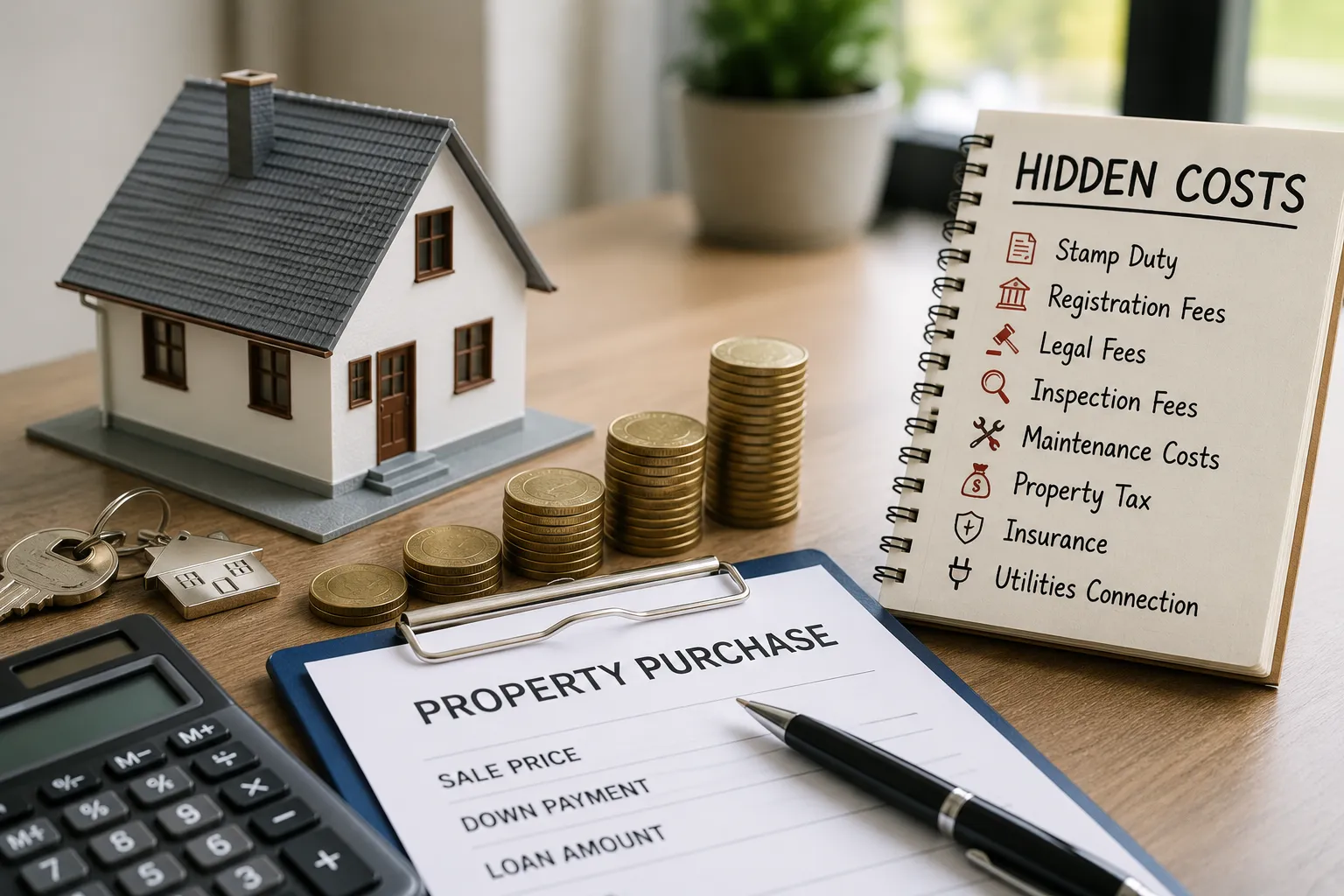
Thousands of property buyers lose significant money each year, not from a bad investment, but from a simple failure to see beyond the sticker price. The excitement of finding the perfect home or investment often creates a powerful tunnel vision, causing buyers to focus exclusively on the sale price and mortgage payments. This emotional oversight is a costly mistake.
The reality is that the advertised price is merely the starting point. A host of additional expenses—often ignored until the final stages of a transaction—can inflate your total investment by 10% or more. Understanding the full spectrum of hidden costs buying property in 2026 is the most critical step toward making a sound, sustainable, and stress-free investment.
Why Buyers Often Underestimate Real Property Costs
The journey to property ownership is filled with emotional highs. When you find a property that feels right, logic can take a backseat. This emotional attachment makes it easy to overlook the less glamorous, but financially crucial, details of the transaction.
Buyers become fixated on negotiating the sale price, believing that every dollar saved there is a direct win. While important, this focus obscures a wide array of mandatory property fees and taxes that are non-negotiable and can accumulate rapidly.
These financial surprises can strain your budget, deplete your savings, and even force you to borrow more than you planned. A successful purchase is not just about securing the property; it's about affording the entire process of acquiring and owning it.
The Most Common Hidden Costs in Real Estate
Before you even get to closing, a series of professional and administrative fees will emerge. These are standard parts of the process, but they are rarely included in the initial property advertisements. Budgeting for them from day one is essential.
Key upfront costs include:
- Registration Fees: Government charges to officially record the sale and transfer of ownership. These are typically a percentage of the property's value.
- Legal Fees: Costs for hiring a lawyer or notary to review contracts, conduct due diligence, and ensure the transaction is legally sound.
- Broker Commissions: While often paid by the seller, the commission structure can sometimes impact the final price, and buyers may have separate fees if they hire a buyer's agent.
- Loan Processing and Origination Fees: If you are financing the purchase, banks charge fees for underwriting, processing, and originating your mortgage.
- Property and Life Insurance: Lenders will require you to have property insurance in place before closing. Many also require life insurance to cover the loan amount.
Closing Costs and Transaction Expenses
The term closing costs encompasses a broad category of expenses paid at the final stage of the property transaction. These are the fees that finalize the transfer of ownership from the seller to you. They are among the most significant hidden expenses buyers face.
These transaction costs typically include:
- Title Transfer and Deed Registration: The official fee paid to the land registry or municipal authority to legally transfer the title to your name.
- Government Taxes: This can include stamp duty, property transfer tax, and other municipal or state-level taxes, which can amount to a substantial percentage of the property's value.
- Banking and Financing Charges: Beyond origination fees, this includes appraisal fees, credit report charges, and other administrative costs from your lender.
- Documentation Fees: Charges for preparing, notarizing, and handling the extensive paperwork involved in a real estate deal.
Hidden Maintenance and Operational Costs
Perhaps the most overlooked category of real estate expenses are those that begin the moment you receive the keys. Ownership is not a one-time payment; it is an ongoing financial commitment. Ignoring these operational costs can lead to severe financial strain down the line.
The property's condition at purchase is a major factor. Even if an inspection reveals no major issues, be prepared for repairs and upgrades. Older buildings, in particular, can hide problems like aging plumbing or electrical systems that only become apparent after you move in.
Common post-purchase costs include:
- Building Maintenance Fees: For apartments and condos, these are recurring monthly or annual charges for the upkeep of common areas like lobbies, elevators, and swimming pools.
- Unexpected Repairs: Set aside a contingency fund for immediate repairs. It's common to discover the need for a new water heater, appliance replacement, or minor structural fixes shortly after purchase.
- Service Charges: This can include fees for security, waste management, and in some regions, private generator or water services.
- Renovation Surprises: If you plan to renovate, your budget must account for unforeseen issues. Opening up a wall can reveal structural or pest problems that require immediate and costly attention.
Thoroughly understanding these ongoing liabilities is just as important as calculating your mortgage. A comprehensive financial plan should account for all property closing costs and home buying expenses, both immediate and long-term. Failing to budget for maintenance is one of the quickest ways for a dream home to become a financial burden.
Real Examples and Buyer Scenarios
To illustrate the impact of these costs, consider these common scenarios.
Scenario 1: The Buyer Surprised by Taxes and Registration
A couple purchased an apartment for $400,000, focusing their entire budget on the down payment and the mortgage. They were shocked at closing when presented with a bill for an additional $28,000. This included a 5% property transfer tax ($20,000), registration fees ($4,000), and legal/notary fees ($4,000). Their savings were wiped out, forcing them to take on a personal loan at a high interest rate to cover the shortfall.
Scenario 2: The Buyer Facing Hidden Service Fees
An investor bought a unit in a modern residential complex, attracted by the low sale price. After moving in, he discovered the monthly building service charge was $500—far higher than the agent had estimated. This fee covered landscaping, security, and pool maintenance. This unexpected $6,000 annual expense significantly reduced his projected rental yield and turned a promising investment into a marginal one.
How Costs Differ Between Markets and Property Types
The nature and scale of hidden costs vary significantly based on what and where you buy. It's crucial to research the specific norms of your target market.
- Apartments vs. Villas: Apartments come with recurring common charges and potential special assessments for large building repairs. Villas do not have these fees, but the owner is solely responsible for all exterior maintenance, landscaping, and structural repairs, which can be far more expensive.
- New Developments vs. Older Buildings: New properties often have lower immediate repair costs but may come with premium service fees for modern amenities. Older buildings might have lower service charges but a much higher risk of requiring expensive upgrades to plumbing, electrical, and structural components.
For those exploring the hidden costs when buying property in Lebanon, unique factors come into play. Buyers must budget for private generator subscriptions (ishtirak), private water delivery, and potential fluctuations in service fees tied to currency instability. These operational costs are substantial and essential for daily living.
How Smart Buyers Calculate Total Property Cost
Avoiding financial surprises requires a proactive and detailed approach. Smart buyers move beyond the sale price and build a comprehensive budget that reflects the total cost of ownership.
Follow these strategies for financial security:
- Budget for 5-10% Extra: As a rule of thumb, budget an additional 5-10% of the property's sale price to cover all closing costs and initial expenses.
- Create an Emergency Reserve: Establish a separate fund specifically for post-purchase repairs and unexpected maintenance. This should be equivalent to at least 1-2% of the property's value annually.
- Scrutinize All Contracts: Carefully read the purchase agreement and, if applicable, the building's homeowners' association (HOA) documents. Look for details on fees, charges, and potential future assessments.
- Consult Professionals: Hire an independent lawyer and a certified property inspector. Their fees are an investment in preventing much larger future costs. A financial advisor can also help you model the long-term affordability of the purchase.
Final Advice Before Buying Property
Successfully navigating the hidden costs buying property in 2026 comes down to one principle: comprehensive financial preparation. The sale price is a headline, not the full story. Your focus should be on the total acquisition cost and the long-term cost of ownership.
Before you sign any agreement, ask the difficult questions. Request a full breakdown of all expected fees from your agent, lawyer, and lender. Evaluate the property not just for its appeal today, but for its financial demands over the next decade.
By shifting your perspective from simply buying a property to investing in an asset with ongoing costs, you protect yourself from financial stress and ensure your new property remains a source of security and pride for years to come.