How Many Times Should You Visit a Property Before Buying? Avoiding Hidden Problems and Costly Mistakes
Emotional decisions during a first property visit can lead to costly mistakes. Discover why multiple viewings, including technical inspections and visits at different times of day, are crucial for making a sound real estate investment.
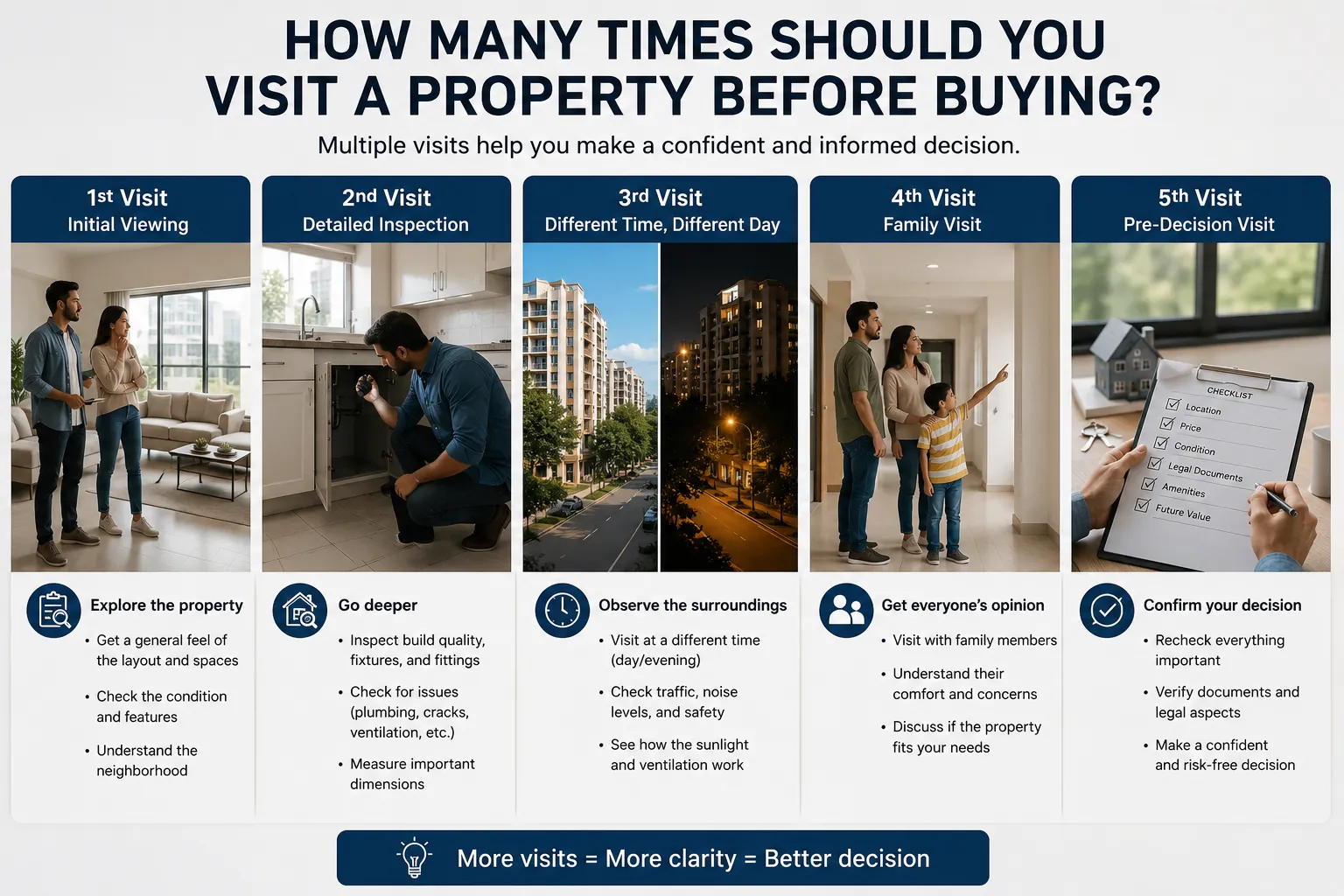
Many buyers fall in love with a property during the first visit and ignore expensive hidden problems. This emotional rush, fueled by attractive staging and the excitement of finding a potential new home, is one of the most common real estate buying mistakes. A beautifully presented interior can easily mask serious defects like structural instability, persistent dampness, or poor insulation. Smart buyers, however, understand that a property viewing isn't just a tour; it's an investigation. They treat each visit as a critical step in a due diligence process designed to uncover the property's true condition, protecting their investment and future peace of mind. Relying on a single, emotionally charged viewing is a gamble that rarely pays off.
Why One Property Visit Is Often Not Enough
The decision to buy a property is one of the largest financial commitments you will ever make. Yet, many buyers spend less time inspecting their future home than they do researching a new car. A single visit is a snapshot in time, heavily influenced by first impressions and emotional reactions. The seller and their agent have prepared the property to look its best, skillfully hiding minor flaws and distracting from potential deal-breakers. During this initial tour, your focus is naturally on the aesthetics—the layout, the finishes, the view. It's almost impossible to simultaneously conduct a thorough technical assessment. This is where buyer psychology works against you; excitement can create confirmation bias, causing you to overlook warning signs that don't fit the perfect picture in your head. Hidden defects related to plumbing, electrical systems, humidity, and structural integrity are rarely apparent during a brief, 30-minute walkthrough. Relying on one visit significantly increases the risk of discovering costly issues after you've already signed the contract.
The First Emotional Visit: The 'Gut Feeling' Check
The purpose of the first visit is primarily emotional and observational. This is your opportunity to determine if the property aligns with your lifestyle and feels like a place you could call home. During this initial walkthrough, focus on the bigger picture and the overall atmosphere. Ask yourself critical questions about its suitability for your daily life:
- Overall Feeling: Does the space have a good energy? Can you envision yourself living here comfortably?
- Layout and Flow: Does the floor plan make sense for your needs? Is there a logical flow between rooms?
- Natural Lighting: How does light enter the home at the time of your visit? Are key areas bright and welcoming?
- Space Functionality: Are the rooms large enough for your furniture and activities? Is there adequate storage?
- Neighborhood Atmosphere: What is the immediate neighborhood like? Take a quick walk around the block to observe the condition of nearby properties and the general vibe.
- Lifestyle Compatibility: Consider your commute and the proximity to essential amenities. Is it convenient for work, schools, and shopping? Assessing the local job market and potential commute times using resources like Glassdoor can provide valuable context on whether the location truly fits your long-term professional and personal goals.
This visit is about connection. If the property doesn't pass this initial 'gut feeling' test, there's often no need for a second look. However, if it does, it's crucial to remember that this positive feeling is just the first step, not the final decision.
The Second Technical Inspection: The Analytical Deep Dive
The second property viewing is arguably more important than the first. With the initial emotional excitement settled, you can approach the property with a critical, analytical mindset. This visit should be slower and more methodical, focusing entirely on the physical condition of the building. This is your chance to move beyond the staging and look for hidden problems during property visits. Your goal is to identify potential issues that could require expensive repairs.
What to Scrutinize During the Second Visit:
- Walls and Ceilings: Look for hairline cracks (especially around doors and windows), uneven surfaces, or signs of recent patching. Pay close attention to stains or discoloration, which often indicate water damage from leaks.
- Water Damage and Humidity: Check for musty odors, especially in basements, bathrooms, and closets. Look for peeling paint, warped wood, or soft spots on walls and floors. These are classic signs of moisture problems.
- Plumbing Observations: Turn on faucets to check water pressure. Flush toilets to ensure they function correctly. Look under sinks for any signs of leaks or water damage.
- Ventilation: Assess the ventilation in bathrooms and the kitchen. Poor ventilation can lead to mold and mildew, a significant health and maintenance issue.
- Windows and Insulation: Open and close windows to ensure they operate smoothly and seal properly. Check for drafts or condensation between panes, which could indicate failing seals and poor insulation.
During this detailed apartment inspection process, you will notice far more than you did the first time. Take notes and photos to document any areas of concern. The second property viewing importance cannot be overstated; it’s your best opportunity to catch red flags before making an offer.
Bring an Engineer or Architect: The Professional Verdict
While your own technical inspection is valuable, it cannot replace the expertise of a qualified professional. For your third visit—or as a crucial part of your second—hiring a structural engineer or architect for a property inspection before buying is a wise investment. Their trained eyes can identify serious issues that are invisible to the average buyer.
Why a Professional Inspection is Non-Negotiable:
- Structural Concerns: An engineer can assess the foundation, load-bearing walls, and roof structure for signs of stress, settling, or compromise.
- Moisture and Waterproofing: They use specialized tools like moisture meters to detect hidden dampness within walls, providing a definitive answer on potential water infiltration issues.
- Construction Quality: A professional can evaluate the quality of past renovations or original construction, pointing out shoddy workmanship that could lead to future problems.
- Renovation Feasibility: If you plan to renovate, an architect can provide critical insights into what is structurally possible and what the potential costs might be.
The cost of an engineer inspection before buying property is minimal compared to the thousands—or even tens of thousands—of dollars you could spend fixing a hidden structural defect. Their impartial report gives you powerful leverage for negotiation or the confidence to walk away from a problematic property.
Morning vs. Night Property Visits: Uncovering Two Different Realities
A property and its neighborhood can change dramatically throughout the day. To get a complete picture, you must visit at different times. The contrast between a morning vs night property visit can be striking and often reveals critical lifestyle factors.
The Morning Visit Reveals:
- Natural Sunlight: You can accurately gauge how much natural light the property receives throughout the day.
- Noise Conditions: Listen for morning traffic, construction, noise from neighbors starting their day, or nearby schools.
- Parking: Observe the street parking situation during a busy weekday morning. Is it difficult to find a spot?
- Building Activity: In an apartment building, the morning is a good time to observe the general comings and goings of residents.
The Night Visit Reveals:
- Security and Lighting: How well-lit is the street, the building entrance, and the parking area? Do you feel safe walking around after dark?
- Evening Traffic and Noise: A quiet residential street by day could be a noisy thoroughfare at night. Listen for noise from nearby restaurants, bars, or late-night traffic.
- Neighborhood Atmosphere: The evening reveals a different side of the community. Are people out walking, or is it deserted?
Visiting at both times ensures you are not surprised by the property’s environment after you move in. This simple step is one of the most effective property viewing tips for avoiding lifestyle-related regrets.
Real-World Examples of Viewing Oversights
Theoretical advice is useful, but real-world scenarios highlight the true importance of a diligent inspection process.
Example 1: The Hidden Humidity
A couple fell in love with a ground-floor apartment that was beautifully renovated and freshly painted. During their first and only visit, they were captivated by the modern kitchen and spacious living area. After moving in, they noticed a persistent musty smell. A second, more thorough visit would have prompted them to check the baseboards more closely, where they would have discovered peeling paint and slight wall discoloration hidden by a strategically placed piece of furniture. A professional inspection later revealed significant rising damp due to poor waterproofing—a repair costing over $15,000.
Example 2: The Nocturnal Noise Problem
A buyer purchased a condo after a single Saturday afternoon viewing. The street seemed peaceful and quiet. However, their first weeknight in the new home was a shock. The property was directly under a flight path for late-night cargo planes, and a nearby bar played loud music until 2 a.m. on weekends. A simple evening or night visit would have immediately exposed these noise issues, drastically affecting their purchase decision and eventual quality of life.
Final Property Viewing Checklist
To ensure you conduct a thorough evaluation, use this practical apartment viewing checklist on your second and subsequent visits. Being systematic is key to avoiding common real estate buying mistakes.
- Structural: Check walls, ceilings, and floors for cracks, slopes, or signs of settling.
- Moisture & Damp: Look for water stains, peeling paint, mold, or musty smells. Check under sinks and around windows.
- Plumbing: Test water pressure in all taps and showers. Flush all toilets.
- Electrical: Test light switches and outlets. Check the age and condition of the electrical panel.
- Windows & Doors: Ensure they open, close, and lock properly. Check for drafts and a secure seal.
- Ventilation & HVAC: Test the heating and air conditioning. Check for proper ventilation in bathrooms and the kitchen.
- Noise Levels: Listen for noise from neighbors, traffic, and the surrounding area. Visit at different times.
- Lighting: Assess both natural and artificial lighting. Note any dark or poorly lit areas.
- Parking & Exterior: Evaluate the condition of the parking space, roof (if visible), gutters, and building exterior.
- Security: Check locks, building entry systems, and the general safety of the neighborhood at night.
- Professional Inspection: Schedule a visit with a certified engineer or home inspector to get a technical assessment.
Conclusion: Patience and Diligence Are Your Greatest Assets
So, how many times should you visit a property before buying? The answer is simple: as many times as it takes to be completely confident in your decision. While there is no magic number, a minimum of two to three visits is a sound strategy. The first is for emotion and lifestyle fit. The second is for your own detailed, technical inspection. And the third, ideally with a professional engineer, is for the final, expert verdict. By supplementing these with visits at different times of the day, you replace emotional impulse with informed analysis. Patience and a systematic approach are your best defenses against hidden problems and costly regrets. A thorough property viewing process doesn't just help you buy a house; it helps you secure a sound, long-term investment and happy investment.