How Room Colors and Building Design Influence Property Value and Buyer Perception
Discover how strategic choices in room color and architectural design can significantly impact property value, accelerate sales, and shape buyer perception. This guide offers expert insights for homeowners and developers on leveraging design to maximize real estate returns.
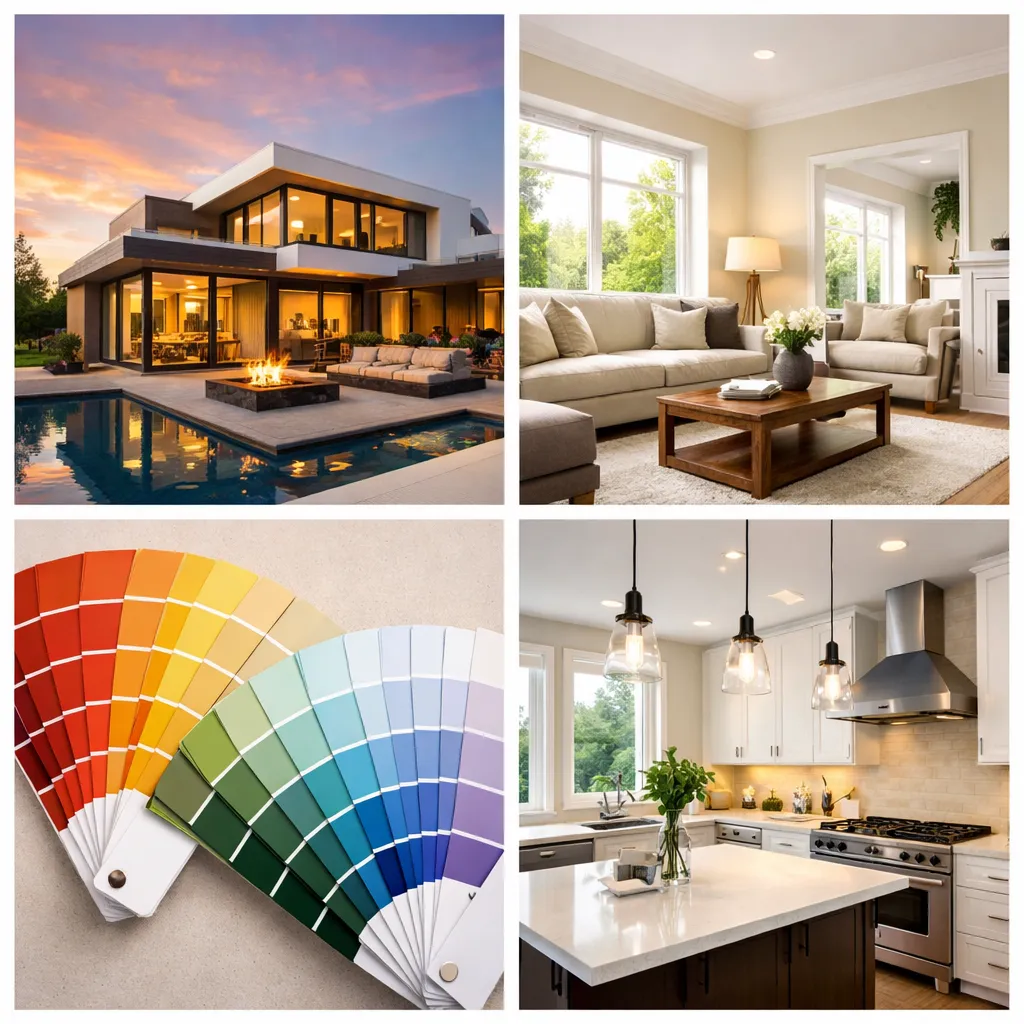
In the competitive world of real estate, first impressions are not just important—they are everything. When a potential buyer, investor, or tenant walks through a property, their initial visual and emotional response can dictate the outcome of a potential transaction. While factors like location and square footage are fundamental, the aesthetic elements of a property—specifically its color palette and architectural design—are powerful drivers of perceived value. This connection between design and financial return is not merely subjective; it is a well-documented phenomenon that savvy homeowners, developers, and investors leverage to enhance marketability and maximize profits.
Understanding how visual design influences perception is crucial. A thoughtfully designed space feels more valuable, more inviting, and more desirable. It allows potential buyers to envision themselves living or working there, creating an emotional connection that transcends a simple checklist of features. This article explores the intricate relationship between room colors, building design, property value, and buyer perception, offering analytical insights and practical guidance for making strategic design choices.
The Psychology of Colors in Interior Spaces
Color is one of the most immediate and impactful design elements. It can alter mood, change the perception of a room's size, and evoke powerful emotional responses. In real estate, the strategic use of color is a cost-effective tool for transforming a space and broadening its appeal.
Warm vs. Cool Colors
Colors are generally categorized as either warm or cool, each carrying distinct psychological associations:
- Warm Colors: Hues like red, orange, and yellow are associated with energy, warmth, and optimism. In interior design, they can make large rooms feel cozier and more intimate. However, they must be used judiciously, as overly saturated warm tones can feel aggressive or overwhelming. Soft yellows or warm beiges are often used in living areas to create a welcoming atmosphere.
- Cool Colors: Shades of blue, green, and light purple evoke feelings of calmness, serenity, and spaciousness. These colors are excellent for making smaller rooms appear larger and more open. Light blues and soft greens are popular choices for bedrooms and bathrooms, as they promote relaxation and a sense of cleanliness.
The Emotional Impact of Color Choices
The right color palette can instantly make a property feel move-in ready. Neutral colors—such as greige (a mix of grey and beige), off-white, and soft grays—are consistently favored in real estate because they act as a blank canvas. They allow potential buyers to easily project their own belongings and style onto the space without being distracted by the current owner's personal taste. A neutral background feels clean, sophisticated, and timeless, appealing to the widest possible audience.
Color Trends and Timeless Palettes
While staying aware of current design trends can be beneficial, timelessness often yields a higher return on investment. Bold, trendy colors may appeal to a niche market but can quickly become dated and may deter a significant portion of potential buyers. The most successful approach involves using a foundation of versatile neutrals on walls and larger surfaces, while perhaps incorporating current color trends through easily replaceable elements like accent pillows, artwork, or a single feature wall. This strategy ensures the property feels modern yet maintains broad, lasting appeal.
Building Design and Architectural Appeal
Beyond color, the physical structure and layout of a building are fundamental to its value. Thoughtful architectural design enhances not only aesthetics but also functionality, creating a harmonious and desirable living or working environment.
Layout Efficiency and Flow
A property's floor plan is a critical component of its appeal. Modern buyers overwhelmingly favor open-concept layouts that combine the kitchen, dining, and living areas into one cohesive space. This design promotes social interaction and creates a sense of spaciousness. Equally important is the logical flow between private and public areas. A well-designed layout minimizes wasted space (like long, narrow hallways) and ensures that rooms are proportioned for their intended use. An inefficient or awkward layout can be a major deterrent, regardless of the quality of finishes.
The Role of Natural Lighting
Natural light is one of the most sought-after features in a property. Abundant daylight makes spaces feel larger, cleaner, and more uplifting. Architectural elements that maximize natural light—such as large windows, skylights, and glass doors—can significantly increase a property's value. The orientation of the building also plays a role; south-facing windows, for example, provide consistent, warm light throughout the day. A dark, poorly lit property, in contrast, can feel gloomy and smaller than it actually is.
Materials and Finishes
The quality of materials and finishes sends a clear message about a property's overall quality and maintenance. Durable, high-end materials like hardwood floors, quartz or granite countertops, and solid-core doors contribute to a perception of luxury and longevity. Consistency in finishes throughout the property—such as matching hardware, light fixtures, and flooring—creates a polished, professionally designed look that buyers value.
Modern vs. Traditional Styles
Whether a property features a modern, minimalist aesthetic or a more traditional charm, a cohesive architectural style is key. A design that is consistent and well-executed will always be more valuable than one that is a disjointed mix of competing styles. The target demographic in a specific market may influence which style is more desirable, but quality and coherence are universally appreciated.
The Critical Impact on Property Value and Marketability
Strategic design and color choices are not merely cosmetic; they are direct investments that yield tangible financial returns. From influencing a buyer's initial emotional response to justifying a higher price point, aesthetics are central to a property's market performance.
Shaping Buyer Perception
Buyers often make decisions based on emotion, which they later justify with logic. A property that is painted in appealing, neutral tones and features a smart, light-filled design feels welcoming and well-maintained. This positive perception can make buyers more forgiving of minor imperfections and more willing to meet the asking price. A fresh coat of paint, in particular, is one of an owner's most powerful tools. When seeking professional painting and color design solutions, it becomes evident how a carefully selected palette can neutralize a space and prepare it for the market, creating an environment that feels both new and full of potential.
Accelerating Property Sales
Properties that are visually appealing and move-in ready tend to sell much faster. When buyers can immediately envision their lives in a space without calculating the costs of necessary renovations—like repainting bold walls or updating dated finishes—they are more likely to make a swift offer. This reduces the time a property spends on the market, saving the seller money on carrying costs and minimizing market exposure risks.
Unlocking Premium Pricing Potential
Excellent design allows a property to command a premium price. When two comparable properties are for sale in the same neighborhood, the one with superior design, better flow, and a more appealing color scheme will almost always sell for more. These aesthetic advantages are often cited by real estate appraisers and directly contribute to a higher valuation. Buyers are willing to pay more for a property that feels thoughtfully designed and requires no immediate work.
Gaining a Competitive Advantage
In a saturated market, differentiation is key. A property with a distinct and tasteful design identity stands out from the competition. Whether it’s through superior architectural features, a beautifully executed color palette, or high-quality finishes, strong design serves as a powerful marketing tool that captures attention and drives interest.
Practical Tips for Homeowners and Developers
- Choose Neutral Palettes: Opt for versatile colors like soft grays, warm beiges, and off-whites for walls. They appeal to the vast majority of buyers and create a bright, spacious feel.
- Highlight Key Spaces and Features: Use lighting and subtle accent colors to draw attention to a property’s best features, such as a fireplace, architectural molding, or a beautiful view.
- Balance Aesthetics and Functionality: Ensure that design choices are not only beautiful but also practical. A stunning kitchen is less valuable if it has an inefficient layout.
- Focus on Cost-Effective Improvements: Some of the highest ROI improvements are cosmetic. Fresh paint, updated light fixtures, new cabinet hardware, and professional landscaping can dramatically improve a property's appeal for a relatively small investment.
Common Mistakes to Avoid
- Overly Bold or Personal Colors: While you may love a bright red dining room, it can be a major turn-off for potential buyers who see it as a project they will have to tackle immediately.
- Poor Lighting Design: Inadequate or dated lighting can make a property feel dark and uninviting. Invest in layered lighting (ambient, task, and accent) to make every room feel bright and functional.
- Inconsistent Themes: A home that transitions from an ultra-modern kitchen to a rustic-themed bathroom can feel jarring and unplanned. Strive for a cohesive design narrative throughout the property.
- Low-Quality Finishes: Using cheap, builder-grade materials can signal to buyers that other, less visible aspects of the property may also be of low quality. Investing in quality finishes pays dividends in perceived value.
Ultimately, the visual presentation of a property is an integral part of its overall value proposition. By understanding the psychology of color and the principles of good architectural design, homeowners and developers can make strategic decisions that not only create beautiful spaces but also deliver a significant return on investment, ensuring their properties capture the hearts, minds, and offers of discerning buyers.