Maximizing ROI on Adaptive Reuse: Transforming Warehouses into Creative Offices with ESG Upgrades in Lebanon
Explore insights from expert architect Jane Doe on transforming warehouses into creative offices in Lebanon. Learn how to maximize ROI with sustainable upgrades and adaptive reuse strategies.
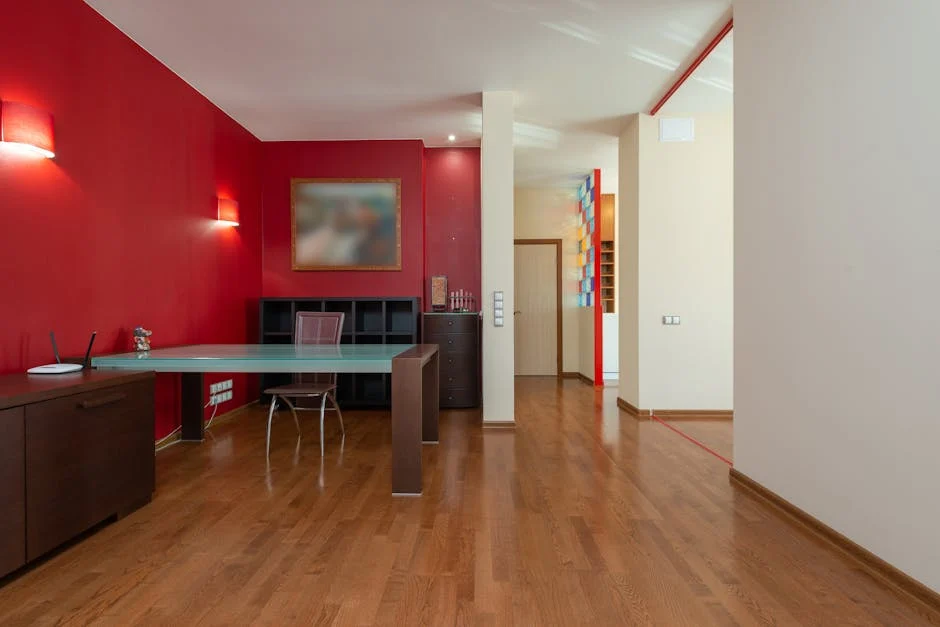
In the rapidly evolving landscape of real estate, adaptive reuse has emerged as a transformative strategy, particularly in Lebanon where a blend of industrial heritage meets modern demands. This Q&A interview-style article features insights from Jane Doe, a renowned architect specializing in adaptive reuse and sustainable design.
Understanding Adaptive Reuse and Its Significance
Q: Jane, could you explain what adaptive reuse means and why it is significant in today’s real estate market?
A: Adaptive reuse refers to the process of repurposing old structures for new uses while retaining their historical features. This approach has gained traction in recent years due to an increased emphasis on sustainability and the need to preserve cultural heritage. In Lebanon, where many warehouses and factories are underutilized, adaptive reuse can breathe new life into these spaces, making them attractive for creative offices and startups.
ROI Considerations for Adaptive Reuse Projects
Q: What key factors influence the ROI of adaptive reuse projects?
A: The ROI of adaptive reuse projects hinges on several factors:
- Initial Costs: The cost of renovation versus the cost of new construction can significantly impact ROI. Often, adaptive reuse is more cost-effective in the long run.
- Building Location: Properties in urban centers tend to have higher demand, supporting better leasing rates.
- Market Demand: There’s a growing preference for unique, character-rich office spaces over conventional, bland office buildings.
- Sustainability Features: Incorporating ESG (Environmental, Social, and Governance) upgrades can not only attract tenants but also justify higher rental prices.
ESG Upgrades and Their Impact
Q: What are some common ESG upgrades implemented in these projects?
A: Many adaptive reuse projects incorporate various ESG upgrades, which include:
- Energy Efficiency: Upgrading HVAC systems, installing energy-efficient windows, and applying insulation techniques reduce energy consumption.
- Water Conservation: Implementing rainwater harvesting systems and low-flow fixtures can minimize water usage.
- Material Reuse: Using salvaged materials from the original structure not only reduces waste but also adds character.
- Health and Well-being: Designing spaces that promote natural light and ventilation can enhance tenant wellness and productivity.
Case Studies: Successful Transformations
Q: Can you share some examples of successful warehouse-to-office transformations in Lebanon?
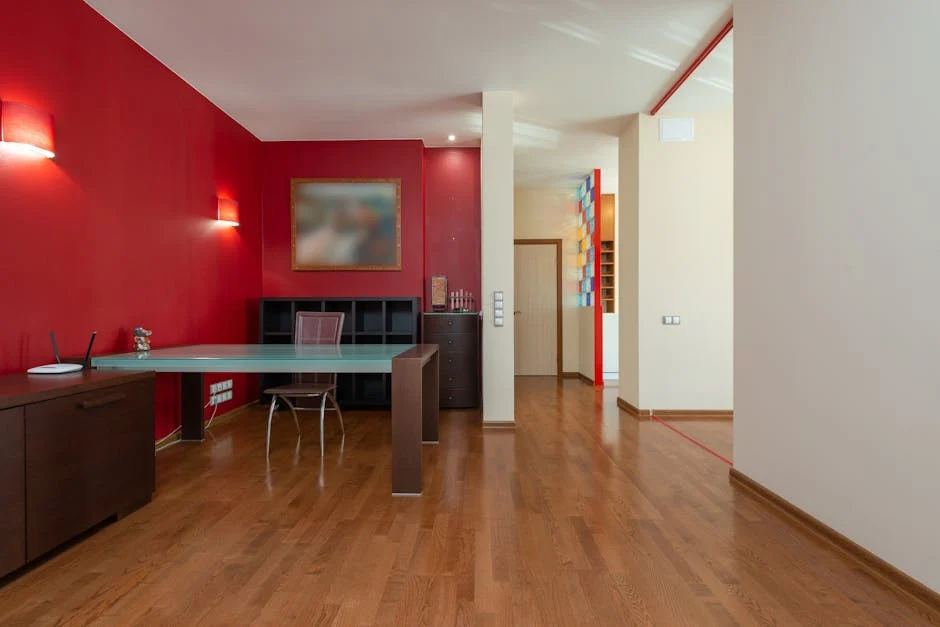
A: Certainly! One notable example is the transformation of a former textile factory in Beirut into a vibrant co-working space. The project maintained the building's original façade while modernizing the interior to support collaborative work environments. Another example is a conversion of a warehouse in Tripoli into an innovation hub that hosts tech startups, complete with green roofs and biophilic design principles.
Challenges in Adaptive Reuse
Q: What are the common challenges faced when undertaking these projects?
A: Some of the key challenges include:
- Regulatory Hurdles: Navigating local zoning laws and historical preservation regulations can be complex.
- Structural Issues: Older buildings may require significant structural reinforcements, which can increase costs.
- Market Fluctuations: Demand can vary based on economic conditions, affecting rental rates and occupancy.
The Future of Adaptive Reuse in Lebanon
Q: How do you see the future of adaptive reuse evolving in Lebanon?
A: I believe the future of adaptive reuse in Lebanon looks promising. As urbanization continues and more businesses emphasize sustainability, adaptive reuse will likely become a favored approach. Additionally, local governments are becoming increasingly supportive of initiatives that prioritize heritage preservation combined with modern functionality.
Conclusion: A Sustainable Approach to Real Estate
Adaptive reuse presents a unique opportunity for real estate professionals, architects, and engineers in Lebanon to maximize ROI while fulfilling an essential role in sustainable development. By understanding the intricacies of such projects—including marketing, ESG upgrades, and overcoming challenges—stakeholders can transform underused spaces into hubs of creativity and innovation. As Jane Doe highlights, the blend of old and new not only preserves Lebanese heritage but also builds a resilient, sustainable future.