Strategic Partnerships Between Real Estate Developers and Investors: A Market Outlook
Explore the dynamic landscape of developer-investor partnerships in the real estate sector, examining market drivers, potential risks, and future trends over the next 12 to 24 months.
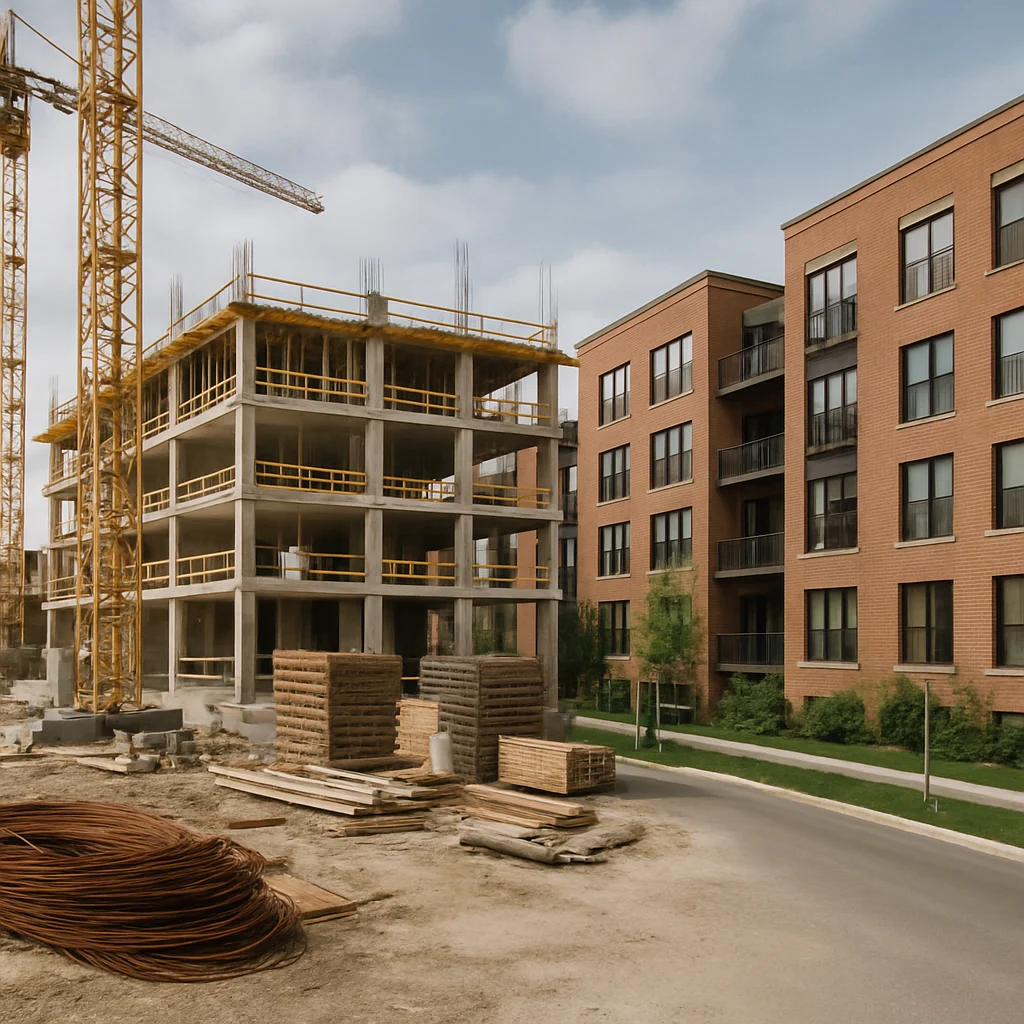
The real estate sector has seen transformative shifts over the past few years, with strategic partnerships between developers and investors emerging as a critical component for success. These partnerships not only provide access to capital but also enhance project delivery capabilities and foster innovation. This article delves into the current market outlook regarding developer-investor partnerships, exploring key drivers, potential risks, and a comprehensive forecast over the next 12 to 24 months.
Understanding the Developer-Investor Partnership Landscape
In the real estate industry, developer-investor partnerships are arrangements where developers (individuals or companies that build properties) collaborate with investors (individuals or institutions providing the necessary capital) to fund and execute real estate projects. This collaborative approach allows developers to leverage financial resources while investors gain access to potentially lucrative opportunities.
Market Drivers for Developer-Investor Partnerships
During the past few years, several factors have influenced the burgeoning landscape of developer-investor partnerships:
- Access to Capital: With rising construction costs and increasing demand for new projects, capital availability remains a significant driver for developers seeking partnerships.
- Risk Mitigation: Partnerships distribute financial risks associated with real estate development, appealing to both parties looking to minimize exposure.
- Market Demand: As urban populations grow, the demand for residential, commercial, and mixed-use developments continues to rise, motivating developers to seek investors for larger projects.
- Innovation and Technology: The integration of technology in real estate development necessitates substantial investment, prompting developers to seek partnerships that enable innovation.
Risks in Developer-Investor Partnerships
While there are numerous benefits to forming partnerships, there are also challenges and risks that parties must navigate:
- Market Volatility: Fluctuations in the real estate market can significantly impact project funding and feasibility.
- Differences in Objectives: Aligning interests between developers and investors is crucial; misaligned goals can lead to conflict and project delays.
- Regulatory Changes: Real estate development is heavily influenced by local regulations, and changes can affect project timelines and costs.
- Financial Performance: The success of a partnership is often measured by financial returns; underperformance can strain relationships between parties.
Market Outlook: 12-24 Month Forecast
The next 12 to 24 months present both challenges and opportunities for developer-investor partnerships:
- Stabilization of Markets: As the economy continues to recover from the impacts of the pandemic, real estate markets are expected to stabilize. This stability should encourage investors to engage more actively in partnerships.
- Focus on Sustainable Development: The demand for sustainable building practices is on the rise, pushing developers to seek partners aligned with environmental goals, which can attract investment from socially responsible funds.
- Adoption of New Technologies: Developers are likely to adopt new technologies, such as AI and big data analytics, to enhance project planning and execution, making partnerships with tech-savvy investors more valuable.
- Increased Competition: As more investors recognize the potential in real estate partnerships, competition for prime projects is expected to intensify, leading to innovative deal structures.
Conclusion
The landscape of developer-investor partnerships in the real estate sector is evolving, shaped by emerging trends, risks, and economic factors. As developers seek innovative solutions to meet market demand and investors look for opportunities to maximize returns, these collaborations will continue to play a critical role in the industry. By understanding the dynamics of these partnerships, both developers and investors can navigate the complexities of the market, positioning themselves for success over the coming years.