The Impact of Sustainable Building Practices on Real Estate Value: A Case Study from Seattle
This case study examines the integration of sustainable building practices in Seattle's real estate market, exploring the economic and environmental benefits realized by developers and investors.
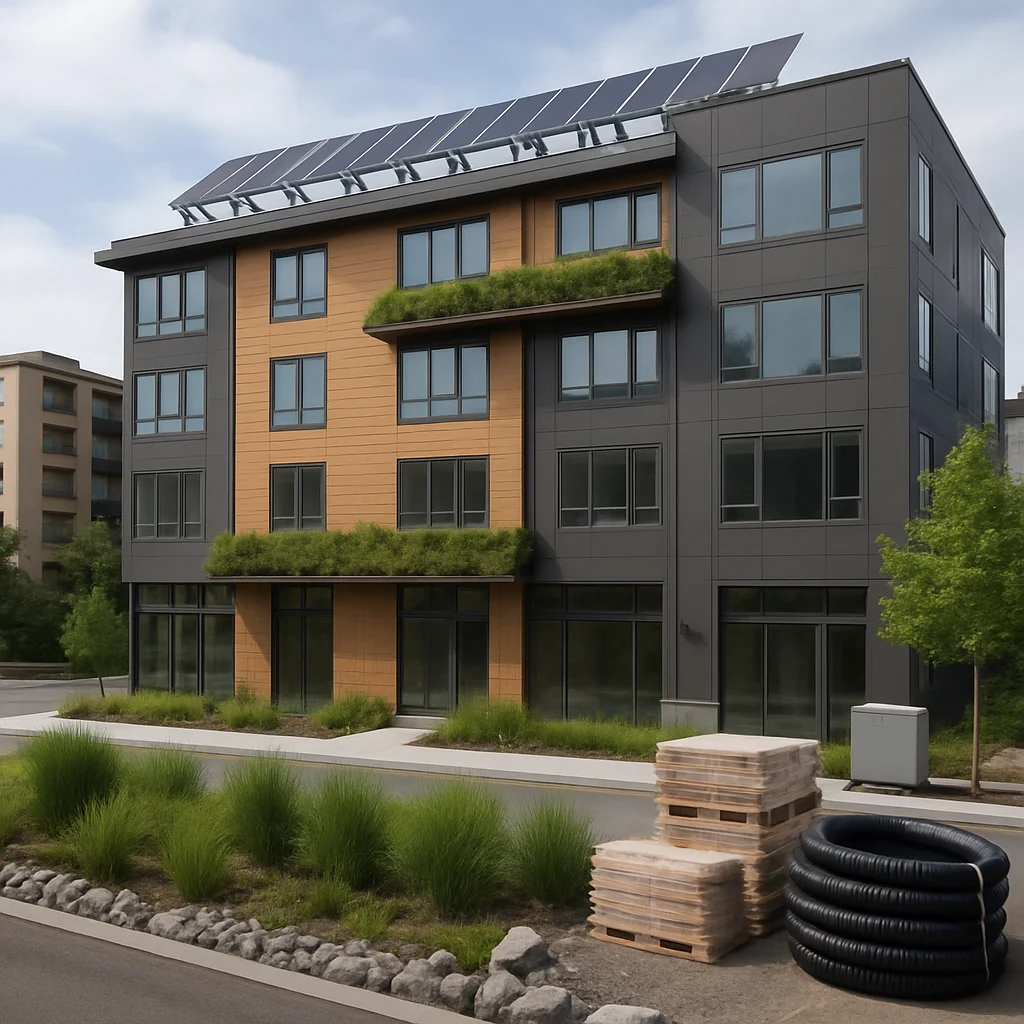
As environmental concerns become paramount in urban development, the real estate sector is experiencing a significant shift towards sustainability. In this article, we delve into a case study focused on Seattle, Washington, analyzing how sustainable building practices have affected real estate values in the region. We will explore the context, constraints, solutions implemented, and the lessons learned from this transformative journey.
Context: The Rise of Sustainable Building in Seattle
Seattle has long been recognized for its commitment to sustainability, launching initiatives aimed at reducing carbon footprints and promoting green living. The city embraced the concept of sustainable building practices in response to increased public awareness of environmental issues and in alignment with global climate goals. By 2022, Seattle aimed for all new buildings to meet stringent environmental standards outlined in the city's Green Building Policy.
Constraints: Challenges Faced by Developers
While the move towards sustainable building practices presents numerous benefits, developers in Seattle encountered several challenges:
- Higher Initial Costs: Implementing sustainable technologies and materials often required significant upfront investments, leading some developers to hesitate.
- Regulatory Hurdles: Navigating the complex web of local regulations surrounding building codes and sustainability requirements proved daunting.
- Market Perceptions: Convincing potential buyers and investors of the long-term value of green buildings was a major hurdle, as the market was not yet fully educated on the benefits.
Solutions: Strategies for Overcoming Challenges
To address these constraints, developers in Seattle employed several innovative strategies:
- Investment in Education: Developers organized workshops and seminars to educate stakeholders about the long-term cost-effectiveness and value of sustainable buildings.
- Partnerships with Local Governments: Collaborating with city officials to streamline the permitting process for green buildings helped facilitate compliance with regulations and reduced delays.
- Emphasizing Energy Efficiency: Implementing technologies such as advanced insulation, solar panels, and energy-efficient HVAC systems highlighted the potential for operational savings, attracting interest from eco-conscious buyers.
Case Study Example: The Bullitt Center
The Bullitt Center, often dubbed the "greenest commercial building in the world," serves as a prime example of overcoming challenges through sustainable practices. Completed in 2013, this six-story office building exemplifies the integration of eco-friendly design and construction techniques. Key features include:
- Net-Zero Energy: The building produces as much energy as it consumes through its solar panels.
- Rainwater Harvesting: It captures and uses rainwater for all its water needs.
- Natural Ventilation: The design maximizes natural airflow, reducing the need for artificial heating and cooling.
The Bullitt Center's success demonstrates how sustainable practices can enhance real estate values. Following its completion, surrounding property values increased significantly, demonstrating the market's recognition of the benefits associated with green initiatives.
Lessons Learned: Insights from the Seattle Experience
The transition to sustainable building practices in Seattle offers valuable lessons for real estate professionals nationwide:
- Long-Term Value: Sustainable features may come with higher upfront costs but provide considerable benefits in the form of lower operating costs and increased property values over time.
- Consumer Education is Key: Ongoing efforts to inform buyers about the benefits of sustainable buildings can drive demand and acceptance in the marketplace.
- Flexibility with Regulations: Developers must work closely with local authorities to ensure regulations support sustainability goals without stifling innovation.
Conclusion
Seattle's experience showcases the powerful impact of sustainable building practices on real estate value. By overcoming initial constraints through strategic partnerships, education, and innovative solutions, developers in the region have not only contributed to environmental conservation but have also enhanced the market appeal of their properties. As sustainability continues to shape the future of real estate, embracing these practices will be vital for forward-thinking developers, architects, and investors seeking competitive advantage in an evolving marketplace.