Understanding Real Estate Standards and Regulations in the USA: A Comprehensive Guide
Navigating the complex landscape of real estate standards and regulations in the USA can be challenging for professionals in the industry. This article provides a detailed overview of key codes and standards that govern real estate practices, offering insights for engineers, architects, builders, and real estate professionals.
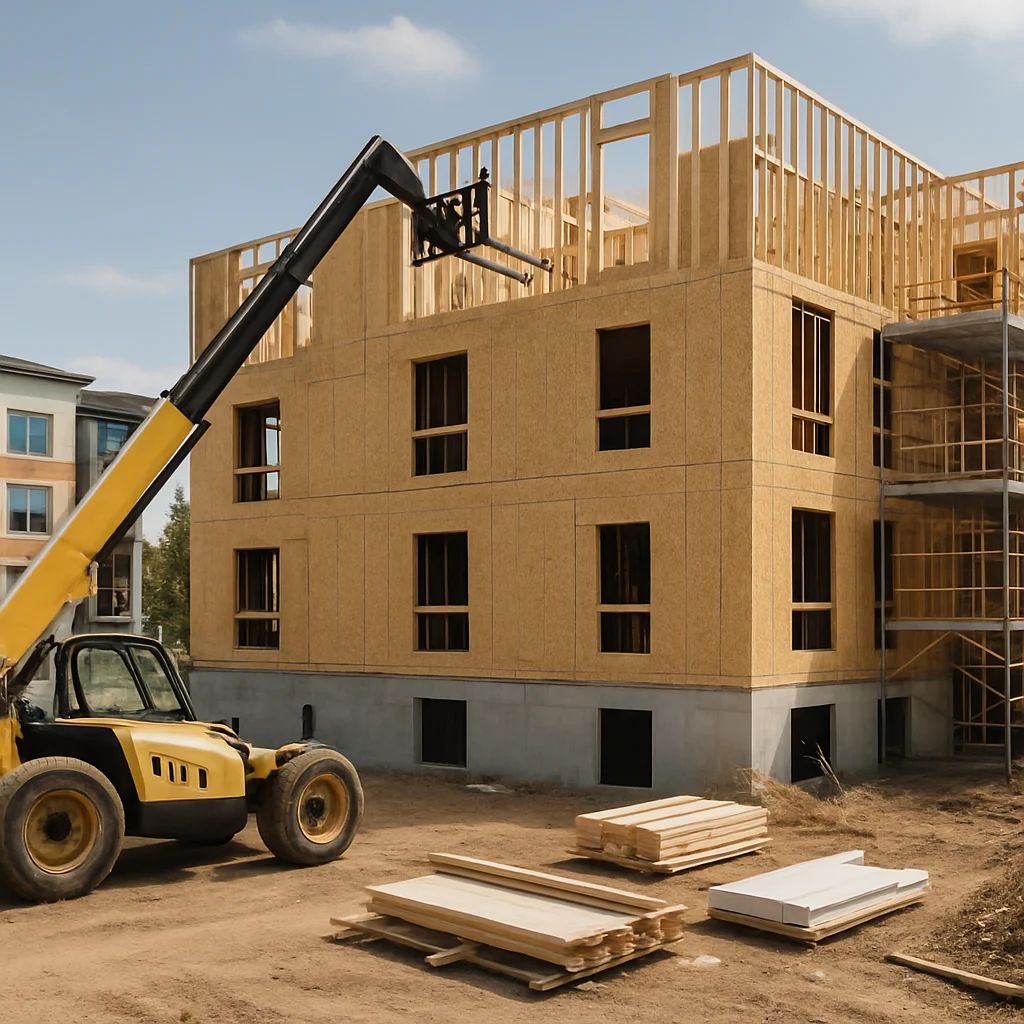
Navigating the real estate landscape in the USA requires a thorough understanding of various standards and regulations that govern the industry. Whether you are an engineer, architect, builder, or real estate professional, familiarity with these standards is crucial for ensuring compliance and achieving successful project outcomes. This guide delves into the essential codes and standards relevant to real estate practice in the United States.
1. Overview of Real Estate Standards and Regulations
Real estate standards and regulations encompass a wide range of guidelines that govern construction practices, zoning laws, land use, and safety protocols. These standards are designed to protect public health and safety, ensure structural integrity, and promote sustainable development.
2. Important Building Codes
In the USA, building codes are local or state laws that specify minimum design and construction requirements. Here are some of the most recognized building standards:
- International Building Code (IBC): Developed by the International Code Council (ICC), the IBC provides a uniform set of safety regulations for buildings to ensure structural integrity, fire safety, and egress provisions.
- American Concrete Institute (ACI): ACI standards govern concrete design and construction practices, focusing on quality and safety measures necessary for long-lasting structures.
- American Institute of Steel Construction (AISC): AISC standards focus on the design and fabrication of steel structures, ensuring safety and performance in engineering practices.
- National Fire Protection Association (NFPA): NFPA provides standards and codes concerning fire safety in buildings, including fire alarms, sprinkler systems, and emergency egress.
3. Zoning Laws and Their Implications
Zoning laws dictate how land can be used in specific areas, fundamentally impacting real estate development projects. Understanding zoning classifications—residential, commercial, industrial, and mixed-use—is essential for compliance and successful project planning. Key components include:
- Land Use Regulations: Each zoning category has specific regulations regarding density, building heights, and types of permissible uses.
- Setback Requirements: Setback regulations determine how far structures must be from property lines, influencing design and layout.
- Variances: In some cases, developers may seek a variance to deviate from established zoning laws, requiring detailed justification to local zoning boards.
4. Environmental Standards
Environmental regulations, often enforced at the federal and state levels, play a crucial role in real estate development. Some key regulations to be aware of include:
- National Environmental Policy Act (NEPA): NEPA requires federal agencies to assess the environmental effects of their proposed actions before making decisions, impacting projects that involve federal funding or permits.
- Clean Water Act (CWA): The CWA protects the quality of the nation's waters by regulating discharges of pollutants, significantly affecting developments near water bodies.
- Endangered Species Act (ESA): This act protects species at risk of extinction, affecting development near habitats of endangered species.
5. Safety Standards and Compliance
Safety standards are critical in real estate to minimize risks during construction and ensure occupant safety. Some important safety codes include:
- Occupational Safety and Health Administration (OSHA): OSHA regulations set safety standards for construction sites, mandating practices to ensure worker protection.
- American National Standards Institute (ANSI): ANSI provides consensus standards for various building components, ensuring quality and safety.
6. The Importance of Understanding Real Estate Standards
For professionals in the real estate sector, a deep understanding of these standards is not just a regulatory obligation; it is also a cornerstone for successful project completion. Compliance with building codes, zoning laws, and environmental regulations can save time and money while enhancing the safety and appeal of a development project.
Conclusion
In conclusion, the realm of real estate standards and regulations is extensive and multi-faceted. Engineers, architects, builders, and real estate professionals must stay informed about the latest codes and standards to navigate the complexities of development projects effectively. From understanding building codes and zoning laws to adhering to safety and environmental regulations, knowledge of these essential guidelines is imperative for success in the real estate landscape in the USA.