Urban Regeneration Districts: Placemaking That Raises Rents Sustainably
Explore how urban regeneration districts can enhance communities through effective placemaking while raising rents sustainably in this expert-led Q&A.
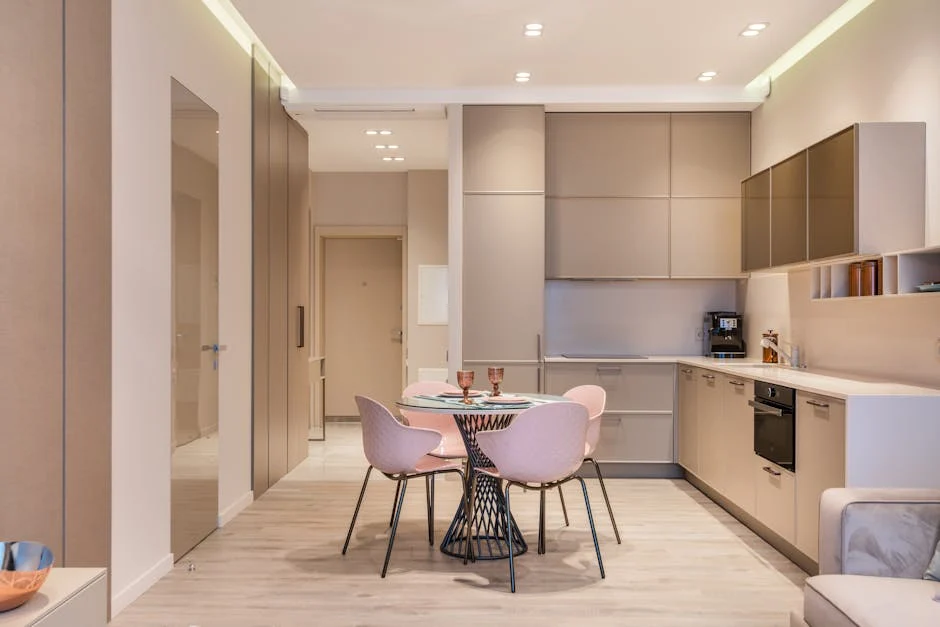
In the ever-evolving landscape of real estate, urban regeneration districts have emerged as a beacon for sustainable development and community enhancement. In this insightful Q&A, we delve deep into the concept of placemaking and how it correlates with urban regeneration and rent sustainability.
Interview with Dr. Emily Chang, Urban Development Expert
Q: Dr. Chang, could you explain what urban regeneration districts are and their significance in today’s real estate market?
A: Urban regeneration districts are areas within a city that have undergone significant development or revitalization to improve the economic, social, and environmental conditions. These districts often focus on underutilized or neglected areas and aim to enhance community engagement through thoughtful design and infrastructure improvements. Their significance lies in their ability to raise property values and rents sustainably while fostering a sense of place and belonging among the community members.
Q: How does placemaking fit into the urban regeneration process?
A: Placemaking refers to the collaborative process of creating quality public spaces that promote people's health, happiness, and well-being. It is intrinsic to urban regeneration as it involves the community in the creation of spaces that reflect local identity. By integrating local culture into the built environment, placemaking enhances not only the aesthetic appeal of an area but also its economic viability. A well-designed public space can attract businesses and residents, which in turn raises rents sustainably.

The Key Elements of Effective Placemaking
Q: What are the key elements of effective placemaking that can help raise rents sustainably?
A: There are several critical elements:
- Community Involvement: Engaging residents and stakeholders in the design process ensures that the spaces meet their needs and reflect their culture.
- Accessibility: Making spaces accessible for all, including pedestrians and cyclists, encourages more foot traffic and boosts local businesses.
- Connectivity: Well-connected areas promote better flow between different parts of the district, which enhances its attractiveness and functionality.
- Diverse Use: Spaces that cater to various activities, from leisure to markets, attract different demographics and increase the area’s vibrancy.
- Green Spaces: Incorporating parks and gardens improves air quality and provides recreational opportunities, making an area more desirable.
Case Studies of Successful Urban Regeneration
Q: Could you provide examples of successful urban regeneration districts worldwide?
A: Certainly. Some notable examples include:
- The High Line, New York City: This elevated park transformed a disused railway into a vibrant public space, leading to a significant increase in property values along its route.
- Battersea Power Station, London: A former power station turned mixed-use development, it revived the local area and significantly boosted real estate prices.
- Docklands, Melbourne: Once an underutilized port area, it’s now a thriving district featuring residential, commercial, and recreational spaces.
These examples highlight that with the right approach to placemaking, urban areas can be revived, enhancing property values while remaining sensitive to the sustainability of the local community.
Challenges of Urban Regeneration
Q: What challenges do urban regeneration districts face when implementing placemaking strategies?
A: Urban regeneration efforts often encounter several challenges, including:
- Gentrification: As property values rise, long-time residents may be pushed out, creating social tension and loss of community heritage.
- Funding: Securing adequate funding for projects can be tough, particularly in economically struggling areas.
- Regulatory Hurdles: Navigating zoning laws and obtaining necessary permits can slow down the regeneration process.
Strategies for Sustainable Rent Increases
Q: How can urban planners and developers ensure that rent increases remain sustainable during the regeneration process?
A: To keep rent increases sustainable, several strategies can be implemented:
- Inclusionary Zoning: Incorporating affordable housing units within new developments can ensure that long-time residents aren’t displaced.
- Community Investment: Conducting regular community feedback sessions helps balance the interests of developers with those of residents.
- Public-Private Partnerships: Collaborations between government sectors and private developers can provide necessary funding and resources for sustainable initiatives.
The Future of Urban Regeneration
Q: What does the future hold for urban regeneration districts and sustainable placemaking?
A: The future looks promising as more cities recognize the value of revitalizing urban spaces while considering sustainability and community needs. There's a growing trend towards green building practices, smart city initiatives, and resilient design to adapt to climate change. The emphasis will increasingly be on creating inclusive spaces that are not only economically viable but also socially equitable and environmentally sound.
Conclusion
In conclusion, urban regeneration districts hold incredible potential for transforming our cities into vibrant and sustainable spaces. Through effective placemaking, we can ensure that the process of raising rents also uplifts the community, creating diverse and dynamic living environments for all. As professionals in architecture, engineering, and real estate, it is vital to adopt a holistic approach that prioritizes both economic growth and social well-being in urban planning efforts.