Comprehensive Guide to Video SEO Optimization for Engineers and Architects
Unlock the potential of video in your engineering or architectural business with this in-depth guide to SEO optimization, tailored for professionals in the industry.
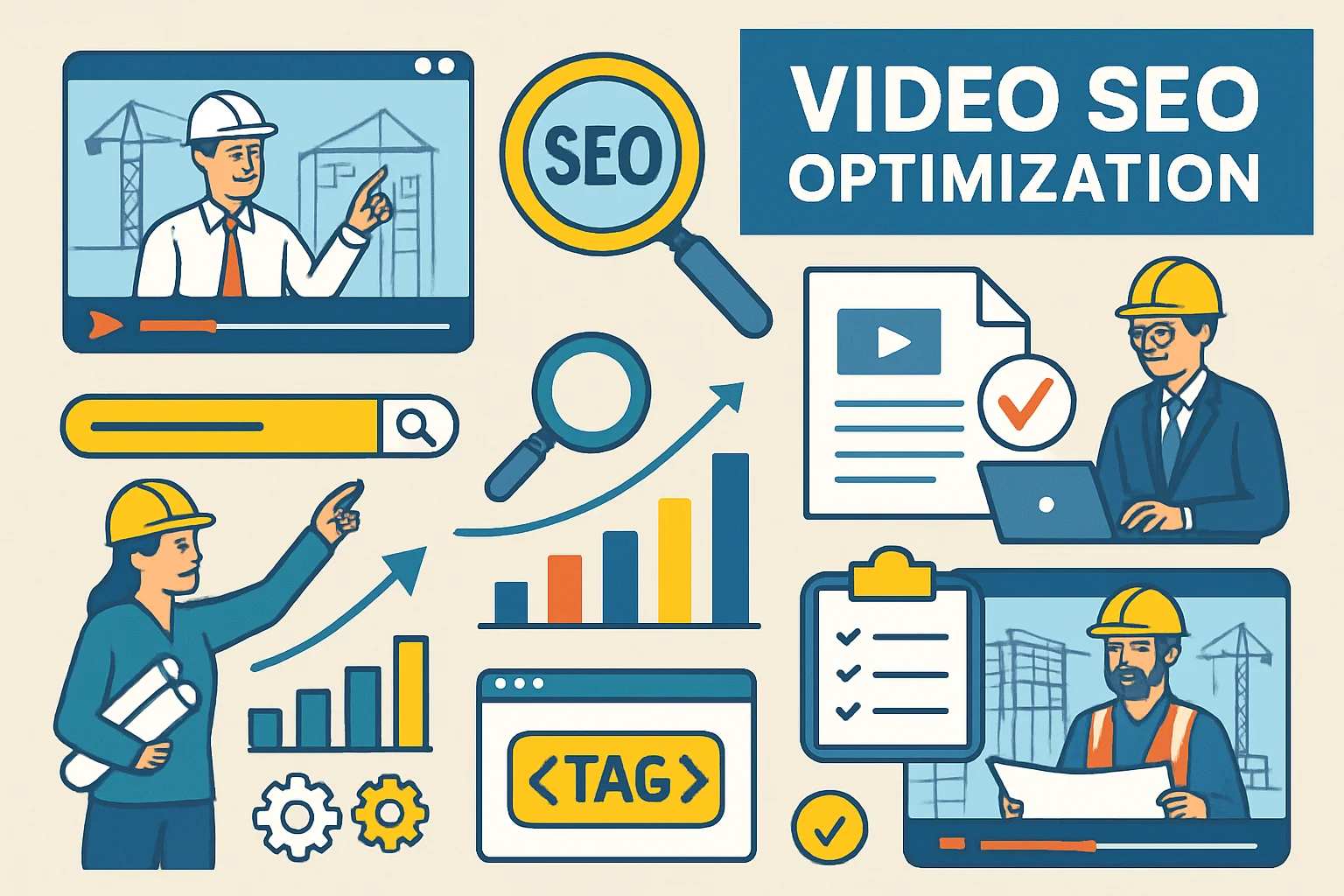
In the modern digital landscape, video content has evolved into a powerful medium for communication, showcasing projects, and engaging with clients. For engineers, architects, builders, and real estate professionals, harnessing the potential of video is critical to staying competitive. However, simply having video content is not enough; effective video SEO optimization is essential to ensure your content reaches the intended audience. This article delves into in-depth strategies and practices specifically tailored for the engineering and architectural sectors.
Understanding Video SEO
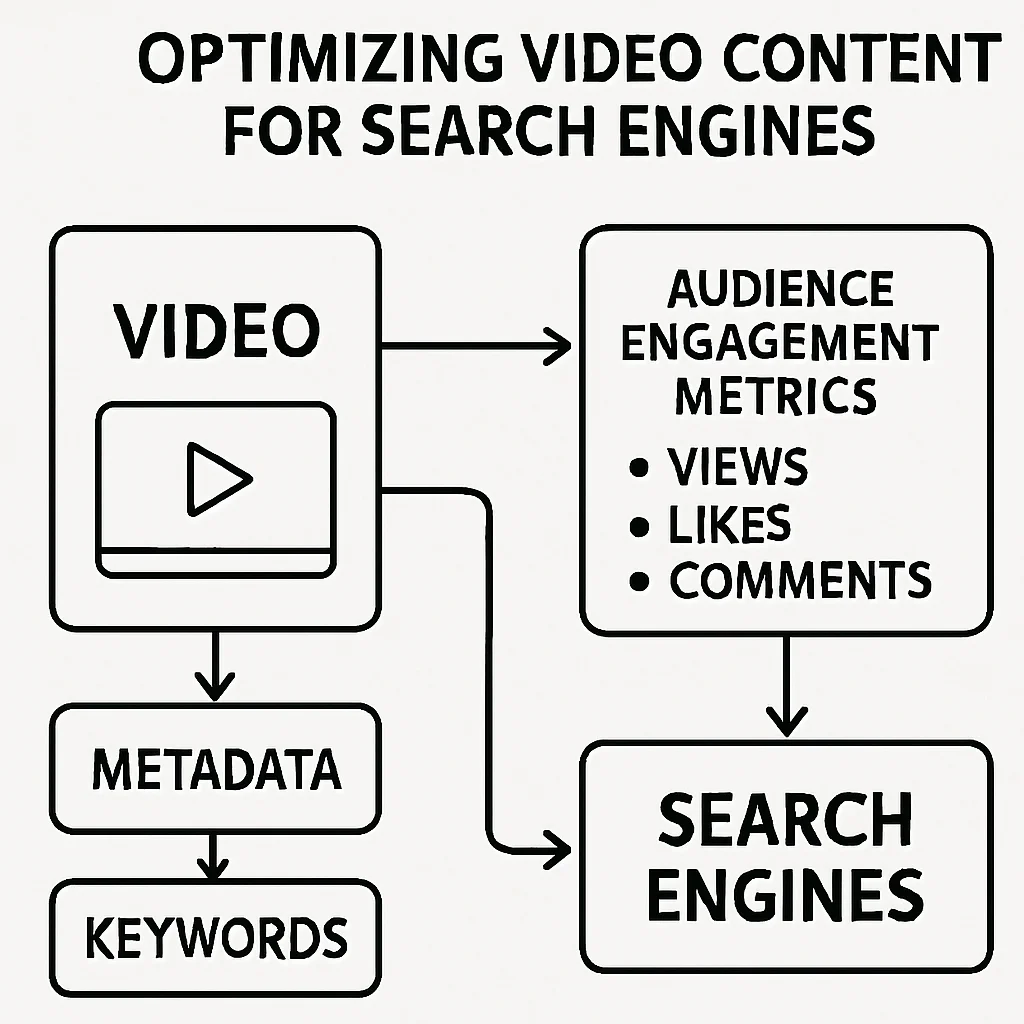
Video SEO involves optimizing your video content so that it ranks higher in search engine results pages (SERPs) and reaches a wider audience. Unlike traditional SEO, video SEO considers unique elements such as video title, description, tags, thumbnails, length, and engagement metrics.
For professionals in engineering and architecture, understanding the nuances of video SEO can enhance visibility and lead to increased engagement with potential clients. Here are some key components:
- Meta Tags: Like traditional SEO, video SEO utilizes meta tags such as title, description, and keyword tags to help search engines understand the content.
- Video Sitemaps: Submitting a video sitemap to search engines helps them index your video content more effectively.
- Engagement Metrics: Factors such as watch time, likes, shares, and comments can influence how your video is ranked on search engines.
The Importance of Video SEO in Engineering and Architecture
In the engineering and architecture fields, video serves various purposes: from project showcases to client testimonials. Optimizing these videos increases the likelihood of reaching potential clients who are searching for services you provide. Here are some reasons why video SEO is particularly important:
- Increased Visibility: Properly optimized videos rank higher on search engines, enhancing your visibility to a broader audience.
- Client Engagement: Video content is often more engaging and can explain complex engineering or architectural concepts effectively.
- Brand Authority: Sharing informative and well-optimized videos can position you as an authority in your field.
Optimizing Video Content for SEO
Here’s a step-by-step approach for optimizing video content for SEO, tailored for engineers and architects:
1. Keyword Research
Start with identifying keywords that resonate with your target audience. Utilize tools like Google Keyword Planner, Ahrefs, or SEMrush to find keywords with high search volumes and relevance. Examples of niche keywords could include:
- "modern architectural video presentations"
- "structural engineering project showcases"
- "best construction techniques video"
2. Crafting Compelling Titles and Descriptions
The title and description of your video are crucial for SEO. Ensure the title is clear, descriptive, and includes target keywords. For example:
- Bad Title: "Project Update"
- Optimized Title: "2023 Modern Architectural Design Showcase for Residential Projects"
Your description should provide a summary of the video’s content and include relevant keywords without keyword stuffing. Aim for 250-500 words for optimal results.
3. Implementing Thumbnails Effectively
A custom thumbnail can significantly increase click-through rates. Use high-quality, relevant images that capture the essence of the video content. Incorporate text overlays sparingly, ensuring the text is legible in smaller sizes.
4. Metadata Optimization
Along with titles and descriptions, include appropriate tags to boost discoverability. Tags can be specific (e.g., "sustainable architecture") or broad (e.g., "construction projects").
5. Engaging Video Content
Creating engaging content is essential. Keep your videos concise, aim for high production quality, and ensure the narrative flows logically. Use storytelling techniques to make complex subjects accessible.
6. Incorporating CTAs and Social Sharing
At the end of your videos, include clear calls-to-action (CTAs) directing viewers to your website or encouraging them to subscribe to your channel. Also, encourage social sharing to amplify reach.
7. Video Hosting and Distribution
Choose the right platforms for hosting. YouTube is a powerful tool for SEO but consider embedding videos on your own website to enhance page quality and provide a seamless user experience.
Measuring Video SEO Success
To ensure your video SEO efforts are paying off, track key performance metrics such as:
| Metric | Description |
|---|---|
| Watch Time | Total minutes users spend watching your video. |
| Click-Through Rate (CTR) | Percentage of people who clicked on your video after seeing the thumbnail and title. |
| Engagement Rate | Combination of likes, shares, comments, and overall interaction. |
| Conversion Rate | Percentage of viewers who completed your desired action, like visiting your site or signing up for a newsletter. |
Tools like Google Analytics, YouTube Analytics, and other video performance tracking tools can be invaluable in evaluating these metrics.
Conclusion
Video SEO optimization is an indispensable part of marketing strategies for engineers, architects, builders, and real estate professionals. By understanding the nuances of video SEO and applying best practices, you can significantly enhance the visibility of your projects, foster client engagement, and establish your authority in the industry. Incorporate these strategies into your content marketing efforts, and watch your visibility and audience engagement soar.