Understanding Predictive SERP Features: A Guide for Engineers and Real Estate Professionals
Dive deep into predictive SERP features and their impact on search engine optimization strategies specifically tailored for engineering, architecture, and real estate professionals.
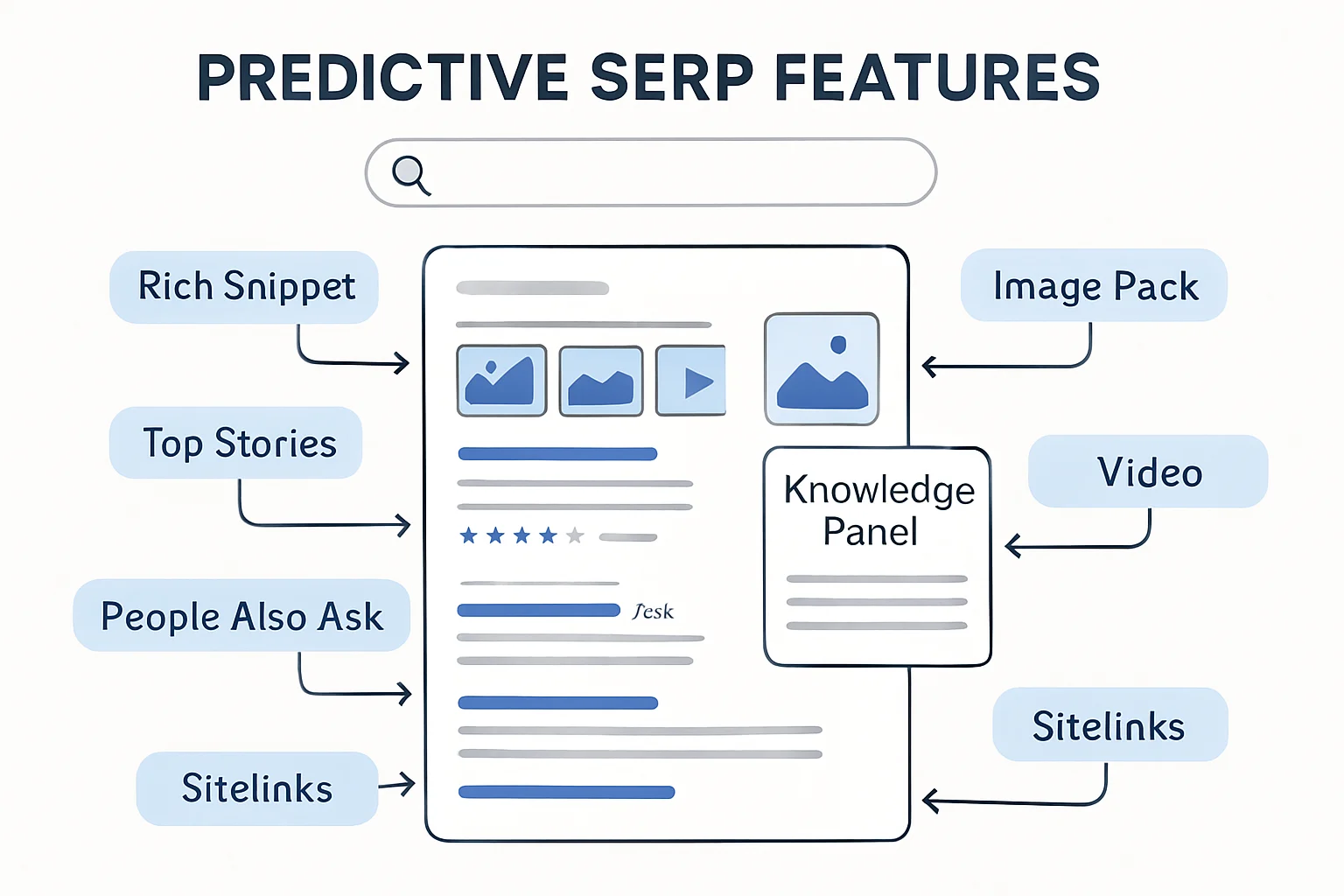
As the digital landscape continues to evolve, the importance of optimizing search engine results pages (SERPs) also escalates. For professionals in engineering, architecture, and real estate, understanding how predictive SERP features work can significantly enhance visibility and engagement. This article explores the predictive SERP features, their types, how they affect SEO strategies, and practical optimization techniques.
Introduction to Predictive SERP Features
Predictive SERP features are aspects of search results that not only provide answers to queries but also anticipate the user’s next steps. These features leverage algorithms and user data to offer more relevant and timely information, tailored to enhance user experience. By directly addressing the needs of users, these features determine which content ranks highest on the SERPs.
For engineers, architects, builders, and real-estate professionals, adapting to these changes is crucial for maintaining competitive advantage in digital marketing strategies. Understanding these features not only helps in optimizing current content but also in strategizing future endeavors.

The Importance of Predictive SERP Features
Predictive SERP features have revolutionized how search engines interpret user intent and deliver information. Here are a few compelling reasons why these features are paramount:
- Enhanced User Experience: Predictive features cater to anticipated user actions, providing a more seamless and intuitive browsing experience.
- Increased Click-Through Rates (CTR): Features like rich snippets can lead to higher CTRs by making your listing more attractive among competitors.
- Data-Driven Insights: Utilizing these predictive capabilities equips businesses with analytics on user behavior, aiding better decision-making.
- Staying Competitive: By employing predictive SEO strategies, professionals can secure a higher ranking in SERPs, leading to improved visibility in a crowded market.
Types of Predictive SERP Features
Various predictive SERP features can significantly influence the way information is organized and displayed. Here are some prominent types relevant to our target audience:
1. Featured Snippets
These are parsed answers displayed at the top of SERPs, designed to provide immediate answers to user queries. Harnessing data to structure your content appropriately can enhance the chances of being selected as a featured snippet.
2. Knowledge Graphs
Knowledge graphs showcase interconnected facts and figures primarily from Google's extensive database. These graphs are valuable in fields like real estate where data on properties can be effectively showcased.
3. Local Pack Listings
For professionals in real estate and construction, local pack listings show results based on geographic relevance, which can be critical for attracting local clientele.
4. Auto-Completing Search Suggestions
This feature uses historical search data to suggest potential queries as users type. Understanding trending keywords can help professionals align their content strategies accordingly.
5. Image and Video Results
Visuals are increasingly important in search results. Images and videos can provide a compelling way to engage prospective clients, particularly in design and architecture sectors.
Impact on SEO Strategies
With the understanding of various predictive SERP features, the next step is to incorporate this knowledge into effective SEO strategies. Here’s how these features impact your approach:
1. Keyword Research
Conducting in-depth keyword research is crucial. Focus on long-tail keywords that are likely to trigger predictive features, particularly when catering to niche markets in engineering and architecture.
2. Content Structuring
Employing strategies such as question-and-answer formats can enhance the likelihood of appearing in featured snippets. Utilizing header tags and lists can also aid content organization.
3. Local SEO Optimization
For professionals targeting local markets, optimizing Google My Business listings and integrating local keywords can enhance visibility within local packs.
4. Engaging Visuals
Incorporating relevant images and videos into your content not only boosts user engagement but also aligns with the predictive tendencies of search engines.
5. Regularly Updating Content
The industry and user needs are constantly evolving, especially in engineering and real estate. Regularly updating your content to reflect current trends can help maintain relevance in search results.
Practical Optimization Techniques
To effectively leverage predictive SERP features, consider the following optimization techniques:
1. Leverage Schema Markup
Implementing schema markup can help search engines better understand your content, thereby improving the chances of appearing in rich snippets and knowledge graphs.
2. Utilize Analytics Tools
Using tools like Google Analytics can provide insights into user behavior, assisting in tailoring your content strategies to meet current demands.
3. Monitor Competitors
Keeping an eye on competitors' strategies, especially their approach to utilizing predictive features, can offer valuable insights and potential areas for improvement.
4. A/B Testing
Use A/B testing to experiment with different content types and formats. This can help identify what works best for your audience in terms of engagement and conversions.
5. Engage with Your Audience
Regularly interacting with your audience through feedback and engagement on social platforms can offer insights on their needs, guiding future content creation.
Conclusion
The realm of predictive SERP features is continually evolving, reshaping how professionals in engineering, architecture, and real estate approach digital marketing. By understanding and utilizing these features effectively, practitioners can enhance their visibility and improve engagement with potential clients. Establishing a proactive SEO strategy that integrates these predictive technologies is not just a recommendation but a necessity in today’s digital landscape.