Revolutionizing Smart Building Operations: A Case Study on On-Device Machine Learning for Anomaly Detection
This case study explores the use of on-device machine learning technologies in smart buildings across the USA to enhance operational efficiency through anomaly detection.
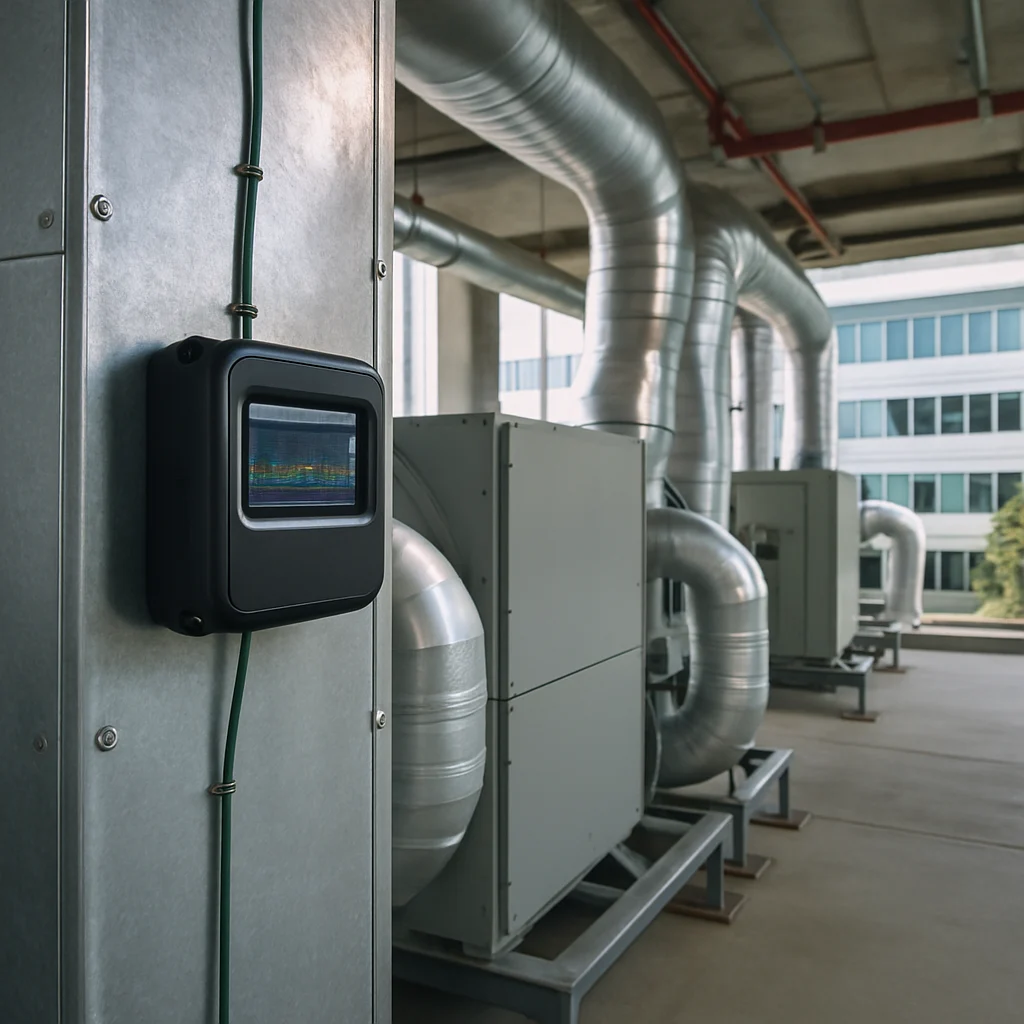
The advent of smart building technology has heralded a new era in building management, particularly in the United States. Among the myriad of enhancements these technologies offer, on-device machine learning (ML) for anomaly detection stands out as a transformative tool for architects, engineers, and builders alike. This case study provides a deep dive into how one progressive commercial building in California implemented on-device ML to tackle operational inefficiencies, reduce costs, and maximize tenant satisfaction.
Context
The XYZ Corporate Building, a 500,000 square foot office space located in Silicon Valley, faced significant challenges in its operational efficiency. With a complex array of systems managing lighting, HVAC, security, and occupancy, the facility struggled with frequent malfunctions, leading to energy waste and uncomfortable working conditions for tenants. The building management team identified the need for a solution that could proactively address these inefficiencies.
Constraints
Before implementation, several constraints were to be considered: 1. **Data Privacy**: Any solution needed to comply with stringent data protection regulations. 2. **Integration Costs**: The financial implications of integrating new technology had to be justifiable within the existing budget. 3. **Training Staff**: Employees would require training to effectively utilize and monitor the new system. 4. **Legacy Systems**: The building's existing infrastructure included legacy systems that were not initially designed for integration with modern smart technologies.
Solution
To address these constraints, the building management team decided to implement an on-device machine learning solution developed by SmartTech Innovations. This solution utilized machine learning algorithms capable of analyzing data in real-time without sending sensitive information to the cloud, thus addressing privacy concerns. Key components of the solution included:
- Real-time Data Processing: On-device processing eliminated latency, allowing for immediate response to anomalies.
- Predictive Maintenance: The ML model was trained using historical data to predict potential failures in HVAC and lighting systems.
- User-Friendly Dashboard: A simplified interface allowed facility managers to monitor system performance and anomalies easily.
- Integration with IoT Sensors: Smart sensors were installed throughout the building to provide ongoing data feeds, ensuring continuous learning from the environment.
Implementation
The implementation process took place over six months and followed a phased approach: 1. **Pilot Testing**: Initial deployment in key areas of the building to monitor the effectiveness of the ML algorithms. 2. **Full Deployment**: After successful pilot testing, a full implementation was rolled out across the entire facility. 3. **Staff Training**: Comprehensive training sessions were conducted to familiarize staff with the new system, focusing on how to interpret the dashboard and respond to alerts.
Results
| Metric | Before Implementation | After Implementation |
|---|---|---|
| Energy Consumption (kWh/month) | 250,000 | 180,000 |
| Operational Costs ($/month) | $30,000 | $20,000 |
| Tenant Satisfaction (%) | 75% | 92% |
The results were striking. Energy consumption dropped by 28%, and operational costs were reduced by approximately one-third. Furthermore, tenant satisfaction improved significantly, reflecting a more comfortable and responsive working environment. These outcomes not only justified the initial investment but also underscored the potential of on-device ML technology in smart buildings.
Lessons Learned
From this case study, several key lessons emerged: 1. **Tailored Solutions Matter**: Customizing ML algorithms to the specific operational parameters of a building is critical for maximizing efficacy. 2. **Data Integrity is Key**: Ensuring data privacy not only complies with regulations but also builds trust among users and operators. 3. **Ongoing Training is Essential**: Continuous staff education ensures that new technologies are utilized to their full potential, leading to better operational outcomes. 4. **Iterative Improvements**: Collecting feedback and data post-implementation can help refine ML models for even better future performance.
Conclusion
The use of on-device machine learning for anomaly detection in smart buildings is a powerful emerging trend with significant implications for the future of building management. The experience of the XYZ Corporate Building serves as a compelling case study, illustrating the transformation possible through thoughtful integration of innovative technologies. As the industry continues to evolve, embracing such solutions will be paramount for architects, engineers, and builders looking to maximize efficiencies and enhance the user experience in their projects.