Smart Building Technology: Myths vs Facts on Smart Meters and Submetering with Billing
Explore the realities of smart meters and submetering in smart buildings, dispelling common myths and presenting factual insights crucial for professionals in the architecture and engineering fields.
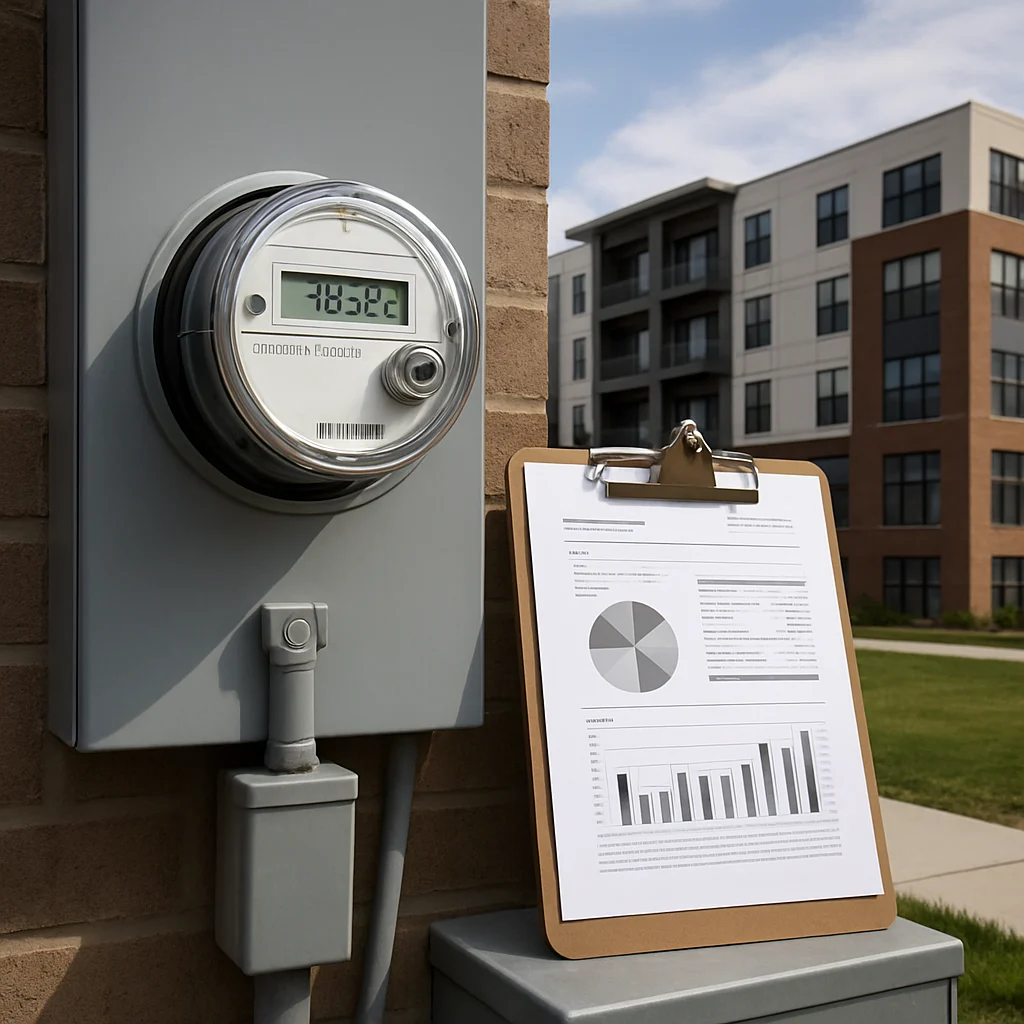
As the landscape of architecture and engineering evolves, smart building technology emerges as a vital component in promoting energy efficiency and cost-effectiveness. Among these innovations, smart meters and submetering systems play a crucial role in energy management. However, misconceptions about their functionality and benefits permeate the industry. This article seeks to clarify these misunderstandings by contrasting common myths with established facts regarding smart meters and submetering with billing.
Myth 1: Smart Meters Offer No Real Benefits
Fact: Smart meters provide numerous advantages that enhance energy management.
- Real-Time Monitoring: Smart meters enable property managers and residents to monitor energy consumption in real time, which fosters more informed energy usage decisions.
- Improved Accuracy: They reduce billing errors associated with estimated readings, ensuring accurate cost assessments.
- Enhanced Demand Response: Smart meters facilitate demand response programs, allowing users to reduce consumption during peak times, ultimately lowering energy bills.
Myth 2: Submetering Is Only for Large Commercial Buildings
Fact: Submetering can be beneficial for a variety of property types.
- Versatility: Whether in multi-family residential buildings, office complexes, or retail spaces, submetering provides detailed insights into energy usage patterns.
- Cost Allocation: It allows for precise billing among tenants or units, promoting energy-efficient practices by charging individuals based on actual usage.
- Scalability: Submetering systems can be implemented regardless of building size, making them accessible for smaller operations.
Myth 3: Smart Meters Invade Privacy
Fact: Smart meters prioritize user privacy while offering comprehensive data.
- Data Protection: Utilities implement stringent data protection measures to ensure that individual consumption data is anonymized and aggregated.
- User Control: Users have the ability to opt-in or opt-out of data sharing, maintaining privacy while still benefiting from smart technology.
- Usage Trends: While data collected can indicate trends, it does not provide specific information about user behavior or activities within the building.
Myth 4: The Installation of Smart Meters Is Too Costly
Fact: The long-term savings significantly outweigh installation costs.
- Decreased Energy Bills: The real-time data provided by smart meters allow for better energy management, directly leading to reduced utility costs.
- Incentives: Many government programs and utilities offer rebates or incentives for the installation of smart meters and submetering systems.
- ROI Over Time: The return on investment (ROI) from lower operational costs and improved efficiency typically justifies the initial expenditure.
Myth 5: Smart Meters Aren't Accurate
Fact: Smart meters are designed for high accuracy and reliability.
- Calibration: Smart meters undergo rigorous calibration processes to ensure their readings are precise and dependable.
- Standards Compliance: They must meet strict regulatory standards set by the American National Standards Institute (ANSI) and other governing bodies.
- Minimized Errors: By automating readings and eliminating manual data entry, smart meters significantly reduce potential errors in billing.
Myth 6: Submetering Leads to Increased Conflict Among Tenants
Fact: Submetering can promote cooperation and understanding among tenants.
- Transparency: Clear billing for energy use helps tenants understand their consumption and encourages conservation efforts.
- Shared Responsibility: When tenants are accountable for their energy use, it fosters a culture of energy efficiency within buildings.
- Conflict Resolution: Insight into individual usage can lead to constructive discussions about shared resources and collaborative efforts to reduce waste.
Conclusion
The ongoing integration of smart building technology, particularly smart meters and submetering systems, is transforming the architectural and engineering paradigms across the USA. By dispelling prevalent myths and emphasizing factual insights, professionals in these fields can make informed decisions that lead to enhanced energy management, greater efficiency, and improved tenant satisfaction. Embracing these technologies not only elevates operational standards but also contributes to sustainable practices within the industry.