Hyperloop: Navigating Technical Maturity and Risks in Smart Transportation
This article delves into the current state of hyperloop technology, discussing its maturity and the various risks associated with its implementation in the context of smart transportation in the USA.
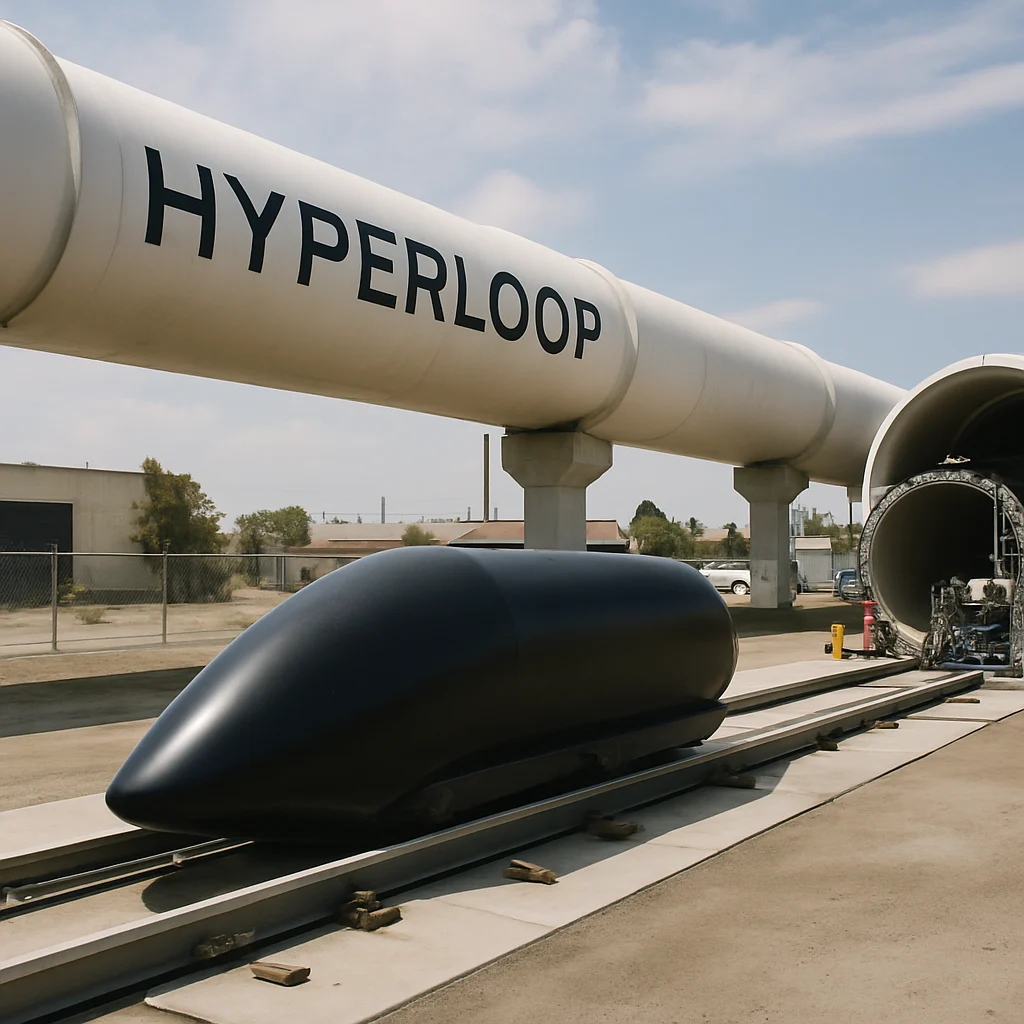
The hyperloop is often heralded as a revolutionary mode of transportation, promising to transform how we travel across vast distances. With advancements in technology and growing interest from both private and public sectors, the hyperloop is at the center of discussions surrounding smart transportation in the USA. However, with such innovation comes a myriad of technological considerations and potential risks. In this article, we will explore the current technical maturity of hyperloop systems, dissect common myths and facts surrounding the technology, and delve into the associated risks involved with its implementation.
Understanding the Hyperloop Concept
The hyperloop concept, introduced by Elon Musk in 2013, envisions a high-speed transportation system where pods travel through low-pressure tubes at speeds exceeding 700 miles per hour. This transport system aims to offer a solution to rising congestion and the limitations of traditional rail and air travel. While the concept is appealing, it raises questions about its feasibility and safety.
Myth vs. Fact: Debunking Hyperloop Misconceptions
Myth 1: Hyperloop is Fully Developed and Ready for Implementation
Fact: As of now, hyperloop technology is still in its experimental phase. While several companies, including Virgin Hyperloop and Elon Musk's Boring Company, have conducted tests, no commercial hyperloop operations exist. Development timelines remain uncertain, and significant technical challenges must still be addressed.
Myth 2: Hyperloop is a Safer Alternative to Current Modes of Transportation
Fact: Although hyperloop advocates claim that it is inherently safer due to its design, the risk profile of this technology is not yet fully understood. The infrastructure needed, such as vacuum tubes, could present unique safety challenges, especially in emergency situations where rapid evacuation is necessary.
Myth 3: Hyperloop will Require Minimal Infrastructure Investment
Fact: The construction of hyperloop systems will likely require significant investment in infrastructure, including land acquisition, construction of vacuum tubes, and station development. Estimates suggest that the costs could range from $20 to $40 million per mile, which poses significant economic implications.
Myth 4: It Will Be Environmentally Friendly
Fact: While proponents argue that hyperloop could reduce carbon emissions compared to air travel, the environmental impact of constructing and operating hyperloop systems should not be overlooked. The sourcing of materials, land use, and energy consumption for operations need thorough evaluation to ensure net positive environmental effects.
Myth 5: Hyperloop Can Easily Adapt to Existing Transportation Networks
Fact: Integrating hyperloop systems with existing transportation networks presents considerable challenges. The design and operation of hyperloop cannot simply replace or integrate with conventional systems. Significant planning and coordination with existing transportation authorities are necessary to facilitate smooth transitions.
Assessing Technical Maturity
Technical maturity refers to the degree to which technology has moved through its development phases, from concept to prototype to practical application. The hyperloop is currently in the prototype phase, with various companies conducting tests on short segments of track. Key areas that need further development include:
- Vacuum Technology: Maintaining an efficient low-pressure environment is critical for hyperloop functionality. Current technologies need optimization for sustaining long-distance travel.
- Maglev and Propulsion Systems: The use of magnetic levitation and acceleration systems must be refined to ensure safety and efficiency at high speeds.
- Passenger Safety Systems: Development of safety protocols for emergencies, such as pod evacuation, needs to be a priority before commercial deployment.
Identifying the Risks Ahead
While the prospects of hyperloop systems are enticing, numerous risks must be considered:
- Regulatory Challenges: The adoption of hyperloop would require navigating complex regulatory landscapes at both federal and state levels, potentially slowing down progress.
- Public Acceptance: Gaining public trust and acceptance for a completely new mode of transport will be essential, requiring robust communication and education campaigns.
- Technological Limitations: Unknown factors related to tube construction, maintenance, and the long-term viability of the technology could pose risks as it develops.
- Financial Viability: The economic feasibility of building and operating hyperloop systems is still uncertain, raising questions about funding and profitability.
Conclusion
As the hyperloop continues to capture the imagination of engineers, architects, and transportation planners, it is crucial to critically evaluate both its potential and the risks it entails. While the dream of high-speed travel through vacuum tubes is promising, the technical maturity and community acceptance still need to align before it can become a reality. By addressing myths and understanding the challenges ahead, stakeholders can better prepare for a future where hyperloop technology may redefine smart transportation in the USA.