Leveraging 5G and Edge Computing for Enhanced Traffic Camera Analytics
Explore how 5G and edge computing technologies are transforming traffic camera analytics, enabling smarter transportation systems across the USA. This guide provides a step-by-step approach for engineers and architects to implement these technologies effectively.
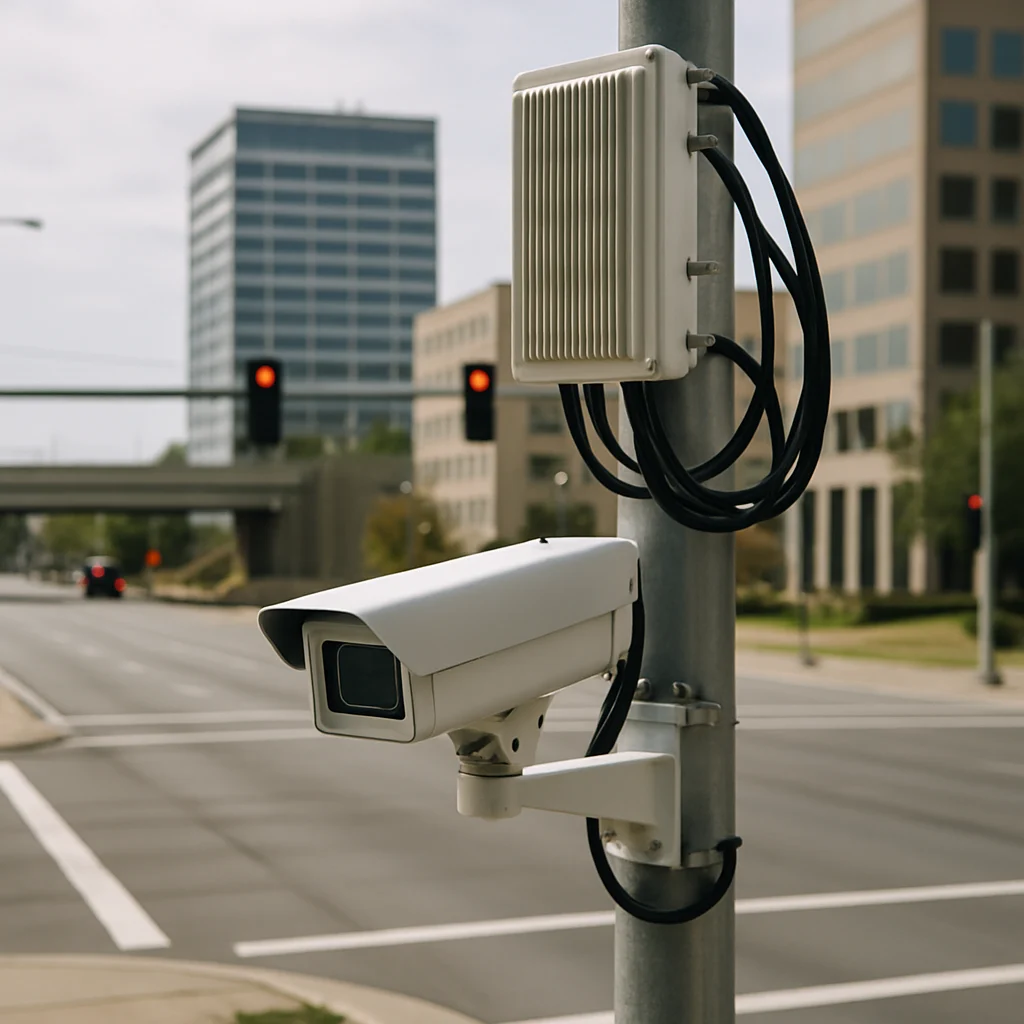
The evolution of transportation infrastructure in the USA is witnessing revolutionary changes, especially with the integration of advanced technologies such as 5G and edge computing. These technologies empower traffic camera analytics to deliver real-time data insights, ultimately leading to smarter transportation systems. In this guide, we will explore the practical steps to harness 5G and edge computing for traffic camera applications, aimed at engineers, architects, builders, and real estate professionals.
1. Understanding the Role of 5G in Transportation
5G technology provides significantly higher speeds and lower latency compared to its predecessors. This makes it ideal for applications that rely on real-time video processing, such as traffic camera systems. With 5G, data from traffic cameras can be transmitted almost instantaneously to central processing units, enabling quicker decision-making and enhanced traffic management.
2. The Importance of Edge Computing
Edge computing complements 5G by processing data closer to its source, thereby reducing the load on networks and improving response times. In the context of traffic cameras, edge computing allows for preliminary data analysis directly at the camera location. This can include:
- Real-time object detection
- Traffic flow analysis
- Incident detection and alerts
3. Implementation Steps for Smart Traffic Camera Analytics
To effectively leverage 5G and edge computing for traffic camera analytics, follow these pragmatic steps:
- Assess Current Infrastructure: Evaluate your current traffic monitoring systems, identifying areas where 5G and edge computing can provide enhancements.
- Choose Suitable Hardware: Invest in edge devices capable of real-time data processing. Look for cameras with integrated AI capabilities that can perform initial analytics.
- Select a 5G Provider: Partner with a reliable telecommunications provider offering robust 5G services in your region to ensure seamless connectivity.
- Integrate Systems: Develop a strategy for integrating edge devices with existing traffic management systems. Ensure compatibility with centralized software for data aggregation.
- Implement Data Security Measures: As with any IoT system, robust security protocols must be integrated to protect data from potential breaches. This includes encryption and secure access controls.
- Conduct Pilot Tests: Before full-scale deployment, run pilot tests to assess the performance of your traffic camera analytics system under real-world conditions.
- Analyze and Optimize: Continuously monitor the system’s performance, gathering data to identify areas for further enhancement and efficiency improvements.
4. Checklist for Implementation
| Step | Task | Status |
|---|---|---|
| 1 | Assess current infrastructure | |
| 2 | Choose suitable hardware | |
| 3 | Select a 5G provider | |
| 4 | Integrate systems | |
| 5 | Implement data security measures | |
| 6 | Conduct pilot tests | |
| 7 | Analyze and optimize |
5. Conclusion
By integrating 5G and edge computing into traffic camera analytics, transportation professionals can significantly improve the efficiency and effectiveness of traffic management systems. The implementation process may seem daunting, but by following the structured steps outlined in this guide and utilizing the checklist, engineers and architects can create smarter urban environments that enhance public safety and improve overall traffic flow. The future of transportation is here, and it’s driven by data.