Optimizing Smart Shipping Routes: The Future of Transportation Efficiency
This article delves into the advanced technologies and methodologies for optimizing shipping routes in smart transportation, enhancing efficiency, reducing costs, and minimizing environmental impact.
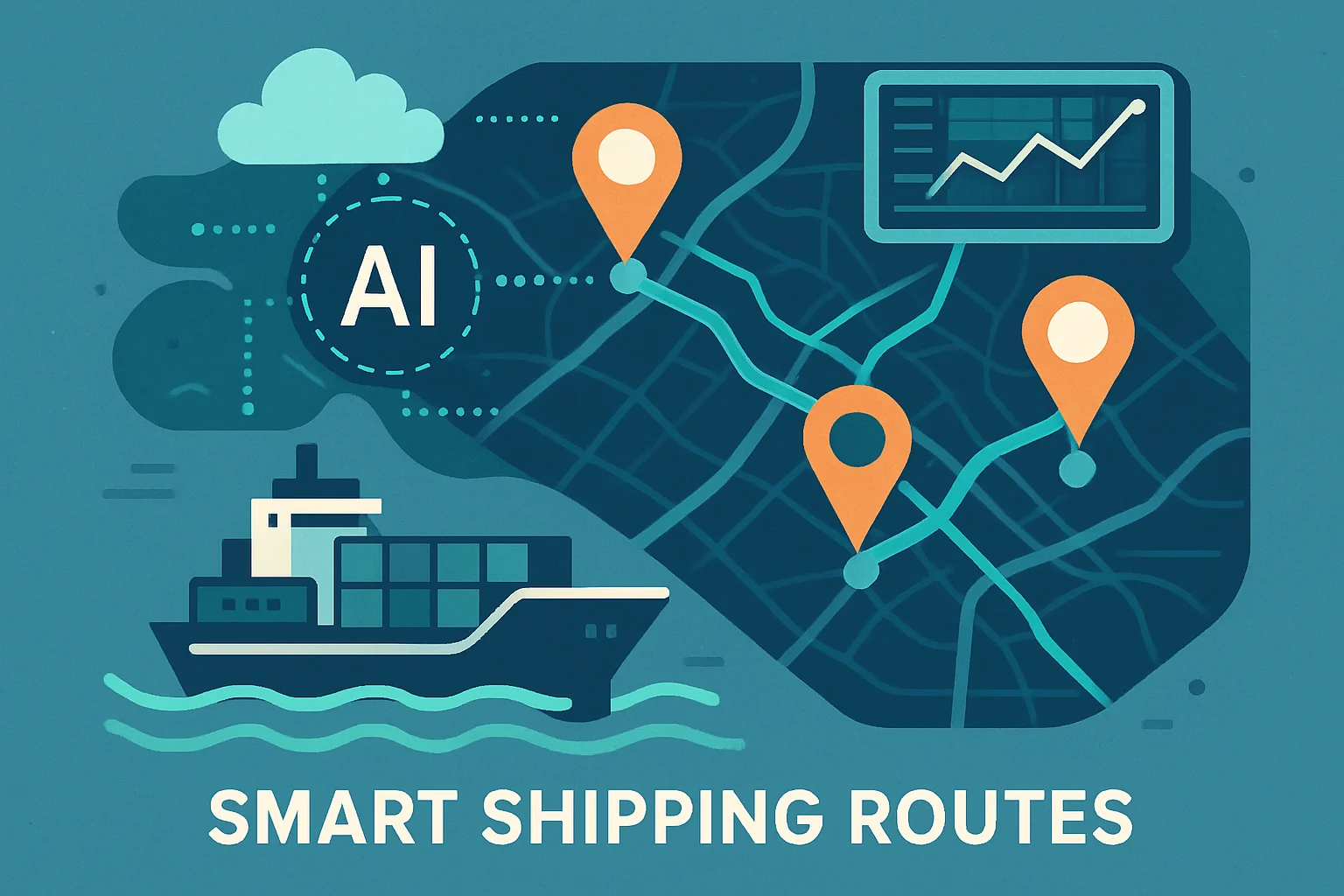
As global trade continues to expand, the demand for efficient shipping and logistics operations has intensified. The advent of smart transportation systems has heralded a new era in the optimization of shipping routes, leveraging technology to enhance operational efficiency, reduce costs, and lessen environmental impact. In this comprehensive guide, we will explore the innovative strategies employed in smart shipping routes optimization, the technologies behind them, and their implications for engineers, architects, builders, and real estate professionals.
The Importance of Route Optimization in Smart Transportation
Shipping route optimization involves the use of advanced algorithms and data analysis techniques to determine the most efficient paths for transport vehicles. Optimizing these routes is crucial not only for efficiency and cost control but also for reducing the carbon footprint associated with logistics. According to research by the U.S. Department of Transportation, effective route planning can lead to:
- Reduced Fuel Consumption: Efficient routes minimize travel distance and, consequently, fuel usage.
- Lower Transportation Costs: Decreased fuel consumption and time savings translate into reduced operating expenses.
- Enhanced Delivery Times: Faster routes ensure timely deliveries, improving customer satisfaction.
- Sustainability: By lowering emissions, optimized routes contribute to environmental sustainability efforts.
Key Technologies Driving Smart Shipping Route Optimization
The foundation of smart shipping route optimization lies in a mix of cutting-edge technologies. Here are some of the key systems and tools used in modern logistics:
- Artificial Intelligence (AI) and Machine Learning: AI algorithms analyze vast datasets, including traffic patterns, weather conditions, and delivery schedules to predict optimal routes dynamically.
- Geographic Information Systems (GIS): GIS tools provide spatial analysis, helping logistics companies visualize routes, identify obstacles, and adapt to changing conditions.
- Internet of Things (IoT): IoT devices, such as GPS trackers and sensors on vehicles, collect real-time data, which can be used to adjust routes on-the-fly.
- Cloud Computing: Cloud-based platforms allow for real-time data sharing among stakeholders, facilitating collaborative decision-making and streamlined operations.
By integrating these technologies, businesses can create a comprehensive shipping route optimization strategy that is both proactive and reactive to varying conditions.

Strategies for Optimizing Shipping Routes
Implementing smart shipping route optimization requires a multifaceted approach. Here are several strategies to consider:
- Real-Time Data Utilization: Leverage live traffic and weather data to adjust routes as necessary, ensuring minimal delays.
- Dynamic Routing: Implement systems that automatically reroute vehicles based on real-time conditions, thereby optimizing for factors like congestion or accidents.
- Integration with Fleet Management Systems: Combine route optimization tools with fleet management to enhance overall efficiency, from maintenance scheduling to driver assignments.
- Optimization Algorithms: Employ advanced algorithms such as Dijkstra’s or A* for pathfinding to compute the shortest, fastest, or least congested routes effectively.
- Feedback Loops: Create systems for collecting feedback on route performance to continually refine and improve algorithms based on historical data.
Case Studies: Real-World Applications of Smart Shipping Route Optimization
Several pioneering companies have employed smart shipping route optimization with notable success:
1. Amazon’s Logistic Network
Amazon harnesses sophisticated algorithms and machine learning to optimize delivery routes, ensuring that packages reach customers within the promised timeframes. By utilizing data from its fulfillment centers and last-mile delivery operations, the company continuously improves its logistic strategies.
2. UPS ORION System
UPS has developed the ORION (On-Road Integrated Optimization and Navigation) system, which uses advanced algorithms to analyze delivery routes. It reportedly saves the company around 10 million gallons of fuel annually, demonstrating significant operational savings.
3. DHL’s Resilience360
DHL employs Resilience360, a risk management tool that provides real-time data on transportation disruptions, allowing for prompt route adjustments. This system enhances efficiency, reduces delays, and maintains service levels during crises.
Environmental Impact of Smart Shipping Route Optimization
Beyond cost and efficiency, optimizing shipping routes significantly benefits the environment. By reducing the distances traveled and minimizing fuel consumption, companies can decrease their overall emissions. A study by the Union of Concerned Scientists indicates that transportation emissions account for nearly 29% of total greenhouse gas emissions in the U.S. Therefore, sustainable shipping practices are crucial for compliance with environmental regulations and corporate social responsibility initiatives.
Conclusion: Future Directions in Smart Shipping Routes Optimization
The future of smart transportation hinges on the continued advancement and integration of route optimization technologies. As AI, IoT, and cloud computing evolve, logistics companies will be able to achieve even greater efficiencies, further reducing costs and environmental impacts. For practicing engineers, architects, builders, and real estate professionals, embracing these advancements will not only position them at the forefront of innovation but also contribute positively to a sustainable future.
Emphasizing efficiency and sustainability, smart shipping route optimization represents a vital frontier in the transportation industry. As businesses invest in these technologies, they will not only improve their bottom line but also play a crucial role in addressing global climate challenges.