Urban Air Mobility: Revolutionizing Smart Transportation in Urban Environments
Discover how urban air mobility (UAM) concepts are transforming local transportation systems, enhancing connectivity, and addressing challenges in urban congestion through innovative aerial solutions.
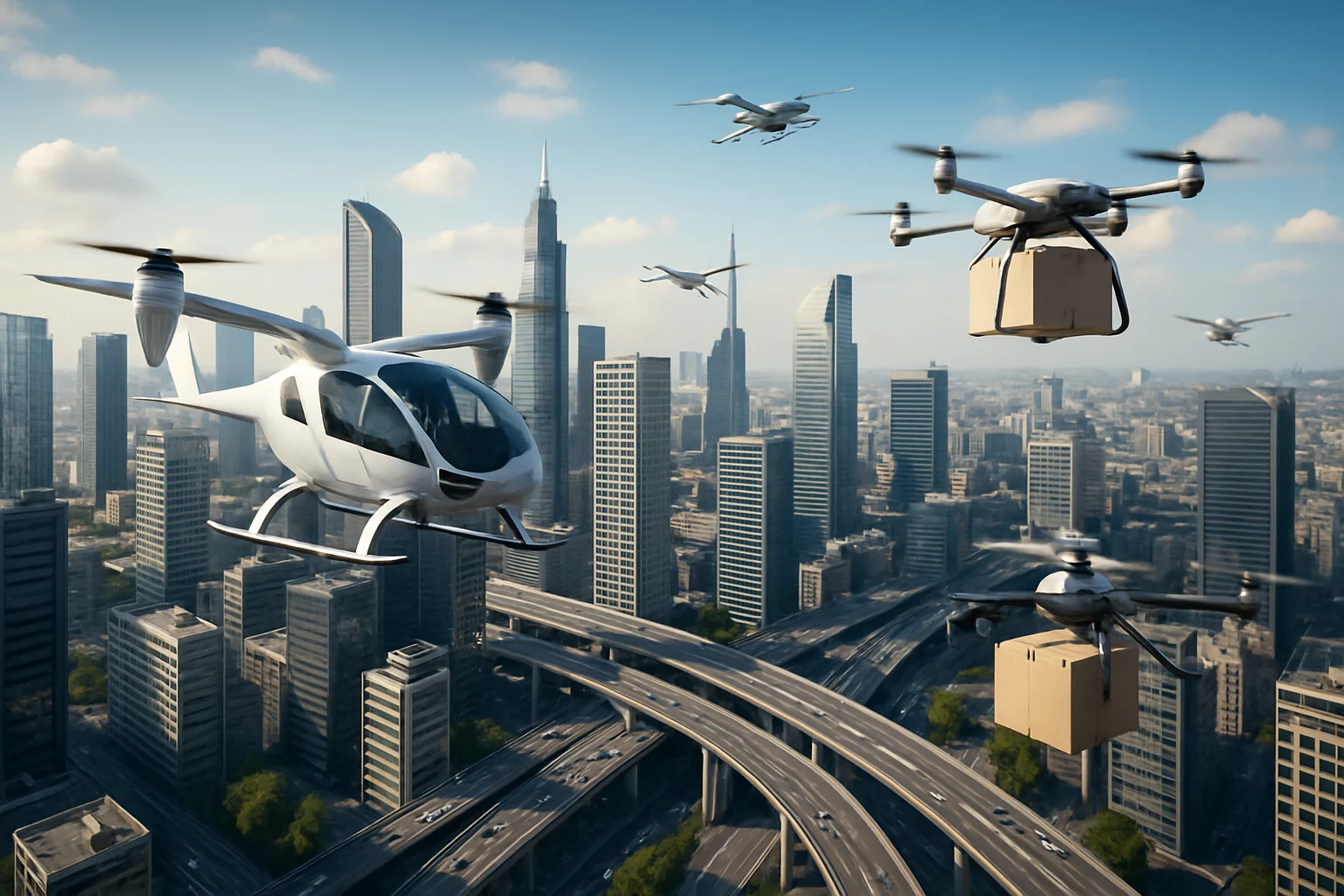
The evolution of city landscapes poses significant challenges for conventional urban transportation systems. Congestion, pollution, and a lack of efficiency are increasingly common issues as cities continue to grow. Enter urban air mobility (UAM) — a paradigm shift in how we envision transportation within urban areas.
UAM leverages advanced aviation technologies, such as electric vertical takeoff and landing (eVTOL) aircraft, to create a new layer of transportation above our roadways. This long-form article will explore the key concepts, innovations, challenges, and future of UAM, providing civil engineers, architects, builders, and real estate professionals with insights into this transformative technology.
Understanding Urban Air Mobility (UAM)
Urban air mobility refers to a set of transportation concepts and innovative technologies that aim to move people and goods through the air within urban environments. UAM is designated to operate in low-altitude airspace, typically below 1,500 feet, thus avoiding traditional air traffic. The ultimate goal of UAM is to alleviate congestion, enhance connectivity, and create seamless travel experiences.
Key components that define UAM include:
- Aerial Vehicles: These include eVTOL aircraft, drones, and various autonomous vehicles designed for short-distance transport.
- Urban Air Traffic Management (UATM): A coordinated system to manage air traffic at lower altitudes, ensuring safety and efficiency.
- Vertiports: Specialized takeoff and landing facilities situated throughout urban areas to facilitate efficient passenger and freight movement.
- Advanced Air Mobility Platforms: Software and logistics solutions that integrate aerial transport with existing urban transportation networks.
The Technological Innovations Driving UAM
Several technological advancements have converged to make urban air mobility a viable option for urban transportation. Some key innovations include:
- Electric Propulsion Systems: Reducing carbon footprints, noise pollution, and operational costs, electric propulsion systems are essential for eVTOL aircraft.
- Autonomous Navigation: AI and machine learning technologies facilitate safe autonomous flight, essential for scalable UAM operations.
- Improved Battery Technology: Developments in battery storage and charging solutions increase the range and efficiency of aerial vehicles.
- 3D Mapping and Sense-and-Avoid Technologies: These innovations enhance navigation accuracy, ensuring safe operations in densely populated urban areas.

Benefits of Urban Air Mobility
As UAM continues to develop, several significant benefits become apparent:
- Reduced Congestion: UAM offers an alternative means of transport, helping to mitigate road traffic and alleviate urban congestion.
- Time Savings: The ability to bypass traditional roadways can significantly reduce travel time, enhancing productivity and accessibility.
- Environmental Impact: With the integration of electric vehicles, UAM has the potential to reduce emissions and contribute to greener urban environments.
- Enhanced Connectivity: UAM facilitates easier access to remote areas that may lack conventional transport options, promoting inclusivity.
Challenges in Implementing UAM
Despite the numerous advantages, the deployment of urban air mobility faces several obstacles:
- Regulatory Hurdles: Establishing a safety framework and regulatory considerations for UAM operations remains a critical challenge.
- Public Acceptance: Gaining public trust and acceptance is crucial for the successful adoption of UAM solutions.
- Infrastructure Development: The need for vertiports and dedicated air corridors necessitates significant investment and planning.
- Safety Concerns: Ensuring safety in airspace shared with traditional aircraft and urban structures is a top priority for UAM developers.
Case Studies of UAM Initiatives
Worldwide, several cities and companies are pioneering urban air mobility initiatives:
- Los Angeles, California: LA has initiated a UAM pilot program that explores the use of eVTOL aircraft for urban commuting, focusing on integrating these vehicles into public transit systems.
- Singapore: Singapore is developing a comprehensive framework for UAM, including regulatory guidelines, infrastructure, and air traffic management systems.
- Dubai: The city’s intention to deploy air taxis is already in the implementation phase, with a focus on leveraging its extensive infrastructure for swift transportation.
Future of Urban Air Mobility
The future of UAM appears promising, fueled by continuous advancements in technology and increasing urbanization. As cities evolve and the demand for innovative transportation solutions grows, urban air mobility may become a vital component of the urban transportation landscape. Collaboration among government entities, private companies, and communities will be crucial in overcoming existing challenges and implementing successful UAM solutions.
In conclusion, urban air mobility represents a revolutionary leap in transportation that could reshape how we navigate urban landscapes. As practicing engineers, architects, and builders, staying abreast of these developments is essential. UAM innovations hold the potential to create value and efficiency long desired in urban transportation systems.