A Comprehensive Checklist for Achieving Thermal Comfort with Low-Carbon HVAC in Sustainable Design
This article presents a detailed checklist for engineers, architects, and builders on achieving thermal comfort while utilizing low-carbon HVAC systems in sustainable design within the EU.
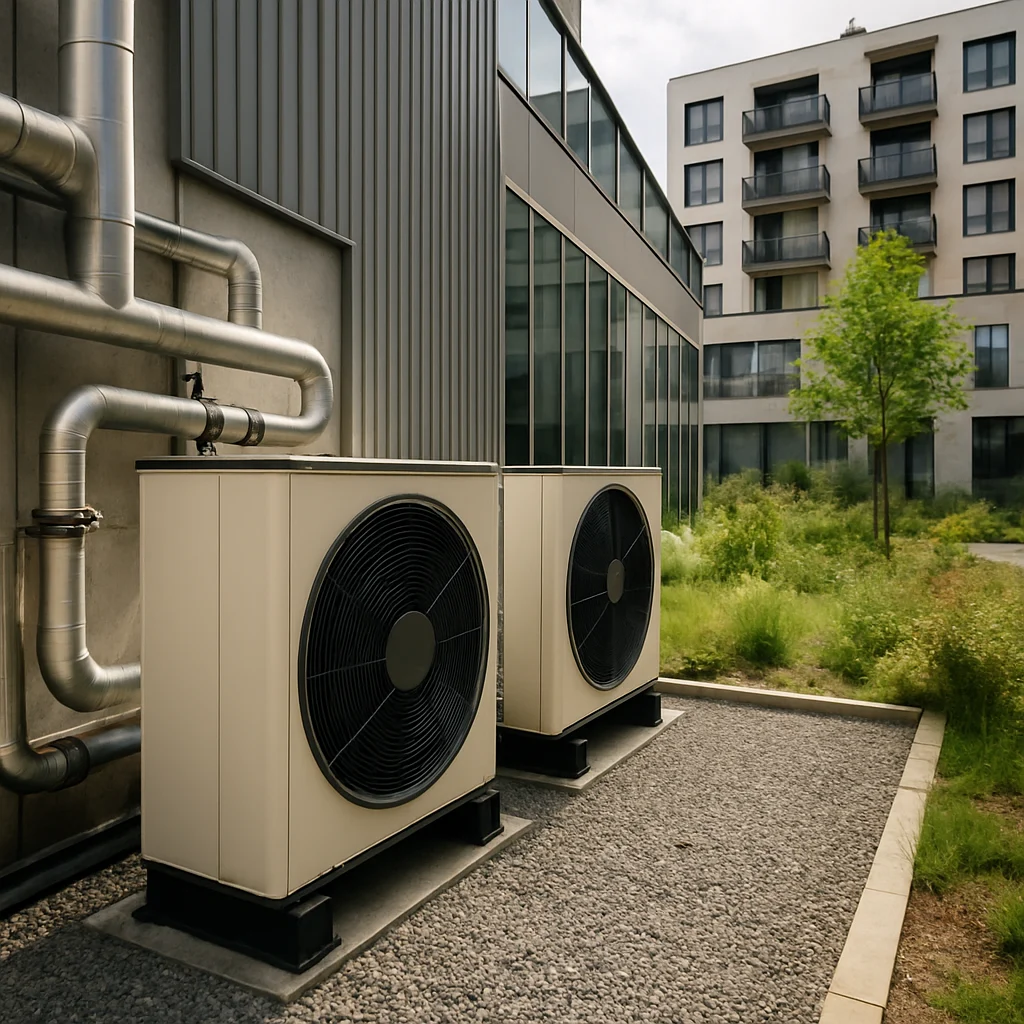
As the urgency for sustainability in architecture and engineering grows, professionals in the EU are increasingly tasked with designing buildings that not only minimize carbon footprints but also provide exceptional thermal comfort. Low-carbon HVAC (Heating, Ventilation, and Air Conditioning) systems can significantly contribute to these goals. This checklist serves as a practical guide for engineers, architects, builders, and real estate professionals to ensure that thermal comfort is achieved without compromising environmental goals.
Understanding Thermal Comfort
Before delving into the checklist, it is vital to understand what constitutes thermal comfort. According to the ISO 7730 standard, thermal comfort is a condition of mind that expresses satisfaction with the thermal environment. It depends on several factors, including:
- Air temperature
- Radiant temperature
- Humidity
- Air speed
- Metabolic rate
- Clothing insulation
Low-Carbon HVAC Systems: An Overview
Low-carbon HVAC systems are those designed to reduce greenhouse gas emissions, primarily by utilizing energy-efficient technologies and renewable energy sources. Common types include:
- Heat pumps (air-source, ground-source)
- Energy recovery ventilation (ERV)
- Solar thermal systems
- Geothermal heating and cooling
- High-efficiency boilers and chillers
Checklist for Achieving Thermal Comfort with Low-Carbon HVAC
1. Analyze Climate and Building Orientation
- Climate Zone Determination: Understand the building's climate zone (cold, temperate, hot-arid, hot-humid) to tailor the HVAC design.
- Orientation: Position windows and thermal mass to optimize natural heating and cooling.
2. Select Appropriate HVAC Systems
- Efficiency Ratings: Choose systems with high SEER (Seasonal Energy Efficiency Ratio) and EER (Energy Efficiency Ratio) ratings.
- Renewable Integration: Incorporate solar panels or wind turbines to power HVAC systems.
3. Optimize Insulation and Air Sealing
- Insulation Standards: Ensure insulation meets or exceeds EU regulations.
- Air Leakage Testing: Conduct blower door tests to find and seal leaks.
4. Implement Zoning Strategies
- Zone Control: Divide the building into zones with individual control systems to cater to different thermal needs.
- Smart Thermostats: Use programmable thermostats to adjust settings based on occupancy.
5. Incorporate Ventilation Solutions
- Balanced Ventilation: Utilize ERV or HRV (Heat Recovery Ventilation) systems to provide fresh air while retaining heat.
- Natural Ventilation: Design windows and vents for passive cooling where possible.
6. Monitor and Maintain Systems
- Regular Maintenance: Schedule routine inspections and maintenance for HVAC systems.
- Performance Monitoring: Implement building management systems (BMS) to track HVAC efficiency and make adjustments.
Common Pitfalls to Avoid
- Ignoring Regional Climate Variability: Failing to consider local climate changes can lead to ineffective system design.
- Over-Sizing Equipment: Large systems can lead to inefficiencies and discomfort due to constant cycling.
- Poor Air Quality Management: Focusing solely on thermal comfort without considering indoor air quality may compromise occupants' health.
Conclusion
Achieving thermal comfort through low-carbon HVAC systems is essential for sustainable design in the EU. By following this comprehensive checklist, professionals can ensure that their projects meet both comfort and environmental standards. Adopting these strategies not only improves occupant satisfaction but also contributes to the broader goals of energy efficiency and sustainability in architecture. Engage with this checklist as a roadmap toward creating innovative and responsible designs that prioritize our planet and its inhabitants.