Accessibility-First Design of Public Plazas: A Sustainable Approach
Explore the principles of accessibility-first design in public plazas, focusing on the benefits, strategies, and real-world applications that enhance user experience for all.
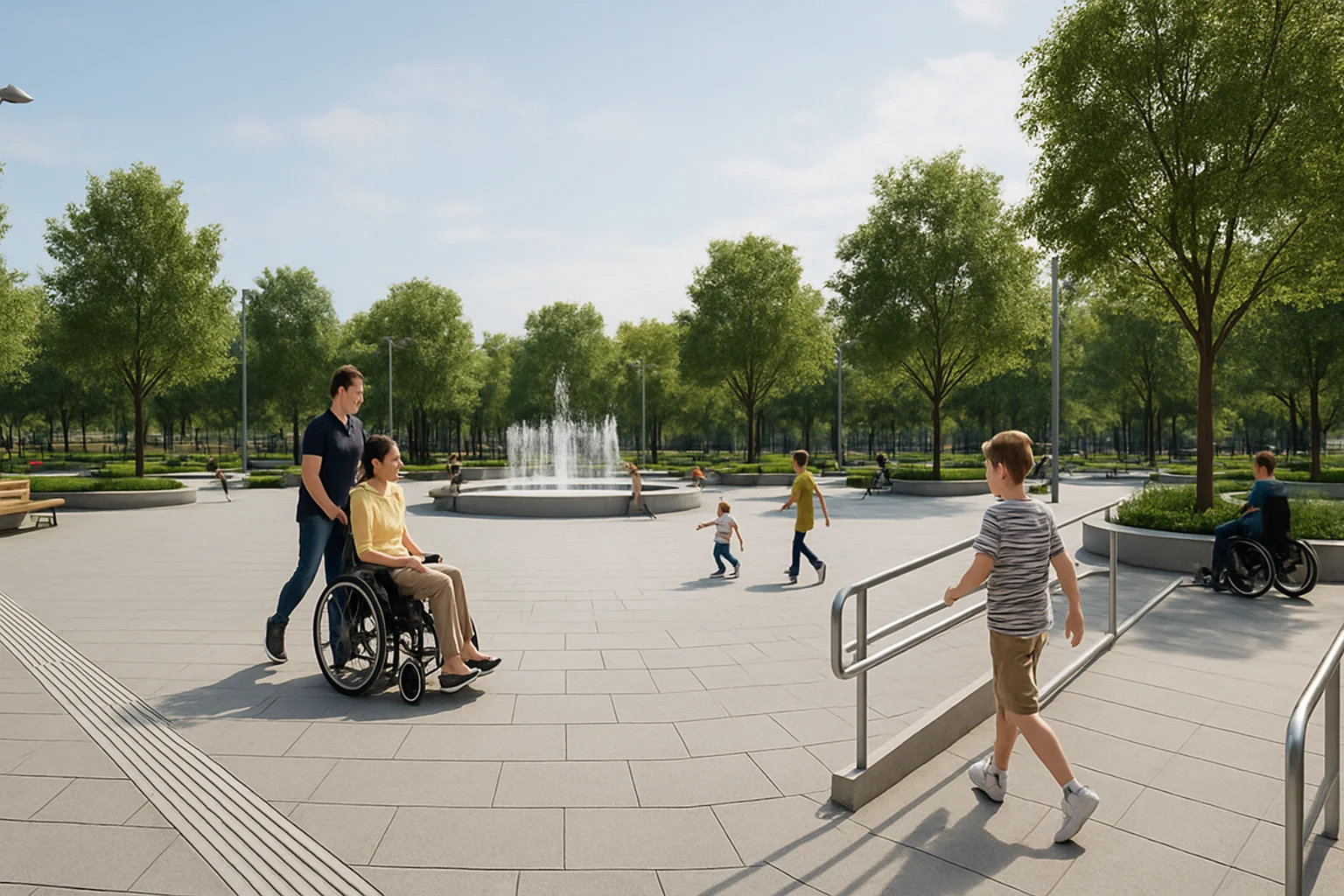
In an era of increasing urbanization and demographic shifts, the design of public spaces such as plazas must prioritize accessibility. Accessibility-first design is not only a legal requirement in many jurisdictions but also a moral imperative that enhances community cohesion and promotes inclusivity. By adopting principles of sustainability and universal design, architects and urban planners can create public plazas that cater to the needs of all users, regardless of their physical abilities.
Understanding Accessibility-First Design
Accessibility-first design encompasses a set of principles intended to make public spaces usable by everyone, focusing on the elimination of barriers and the enhancement of user experience. Such design goes beyond mere compliance with regulations; it seeks to foster an environment where individuals with varying abilities can interact freely and safely.
- Inclusion: Accessibility-first design promotes social interaction, enabling diverse populations to gather and engage within public spaces.
- Sustainability: Incorporating sustainable practices into public plaza design can reduce environmental impact while serving the community effectively.
- Flexibility: Spaces should be adaptable to accommodate various activities and events.
Key Benefits of Accessibility-First Design
Emphasizing accessibility provides numerous advantages that contribute to a healthier, more vibrant urban ecosystem. Here are some of the primary benefits:
| Benefit | Description |
|---|---|
| Social Inclusion | Encourages a sense of belonging and community participation among individuals with disabilities. |
| Economic Growth | Accessible public spaces can boost local economies by attracting a more diverse visitor base. |
| Enhanced Quality of Life | Improved accessibility and comfort lead to increased usage of public spaces, fostering healthier lifestyles. |
| Environmental Sustainability | Integrating green infrastructure within accessible designs can reduce heat, improve air quality, and promote biodiversity. |
Principles of Accessibility-First Design in Public Plazas
Implementing accessibility-first design involves adhering to specific principles that guide the design process. Key principles include:
- Universal Design: Create environments that are inherently accessible to all, regardless of age, ability, or status. This can include features like wide pathways, ramps, and sensory elements.
- Clear Navigation: Ensure that signage and pathways are straightforward to follow and understand. Includes tactile elements for the visually impaired.
- Engaging Spaces: Incorporate elements that invite interaction, such as seating areas, play spaces, and community gardens, which are accessible to everyone.
- Safe Environments: Prioritize safety with adequate lighting, visibility, and clear lines of sight to enhance security for all users.
- Community Input: Involve community members in the design process to ensure that their voices are heard and needs are met.
Elements of Design for Accessibility
There are several critical elements to consider when designing accessible public plazas:
- Pathways: Must be wide enough for wheelchairs and strollers, with non-slip surfaces and proper gradients.
- Seating: Seats should be diverse in style, height, and orientation to cater to various preferences and needs.
- Landscaping: Planting should consider sensory gardens, which stimulate touch, smell, and sight, enhancing user experience.
- Restroom Facilities: Accessible restrooms should be strategically located and designed to accommodate different needs.

Case Studies: Successful Accessibility-First Designs
Several cities around the world serve as models for accessibility-first public plaza design. Here are a few notable examples:
1. Bryant Park, New York City
Bryant Park is renowned for its inclusive features that accommodate a diverse range of users. The park includes accessible pathways, ample seating, and event spaces that cater to all, making it a vibrant urban hub.
2. Millennium Park, Chicago
Chicago’s Millennium Park is designed with accessibility in mind, featuring smooth pathways, accessible art installations, and sensory experiences that invite participation from everyone.
3. Granville Island, Vancouver
Granville Island is a prime example of integrating accessibility with sustainability, offering a variety of engaging public spaces while prioritizing ease of access for all visitors.
Challenges and Considerations
While the benefits of accessibility-first design are clear, challenges often arise during the planning and implementation phases. Some common challenges include:
- Budget Constraints: Limited budgets may restrict the ability to use high-quality materials and innovative designs.
- Community Resistance: Some community members may resist changes if they perceive existing spaces to be 'good enough.'
- Technical Skills: Not all designers may have the necessary training in accessibility standards and universal design principles.
Best Practices for Implementing Accessibility-First Design
To mitigate challenges and ensure effective design, consider these best practices:
- Conduct a Needs Assessment: Gather data from community surveys and focus groups to assess the specific needs of users.
- Collaborate with Experts: Work alongside accessibility consultants and advocacy groups to align designs with best practices.
- Test and Iterate: Implement pilot projects and gather user feedback to refine designs continuously.
- Educate and Advocate: Promote awareness of the importance of accessibility in public spaces to garner community support.
Conclusion
Accessibility-first design in public plazas is an essential consideration for creating sustainable, inclusive, and vibrant urban environments. By prioritizing accessibility, we not only comply with legal requirements but also embrace the ethical responsibility of fostering communities where everyone can participate fully. Through thoughtful design, we can enhance the functionality and appeal of public plazas, ensuring they are welcoming spaces for all.