Harnessing Solar Thermal Collectors for Sustainable Building Design
This comprehensive guide delves into the function and advantages of solar thermal collectors in enhancing building sustainability, focusing on practical applications for architects and engineers.
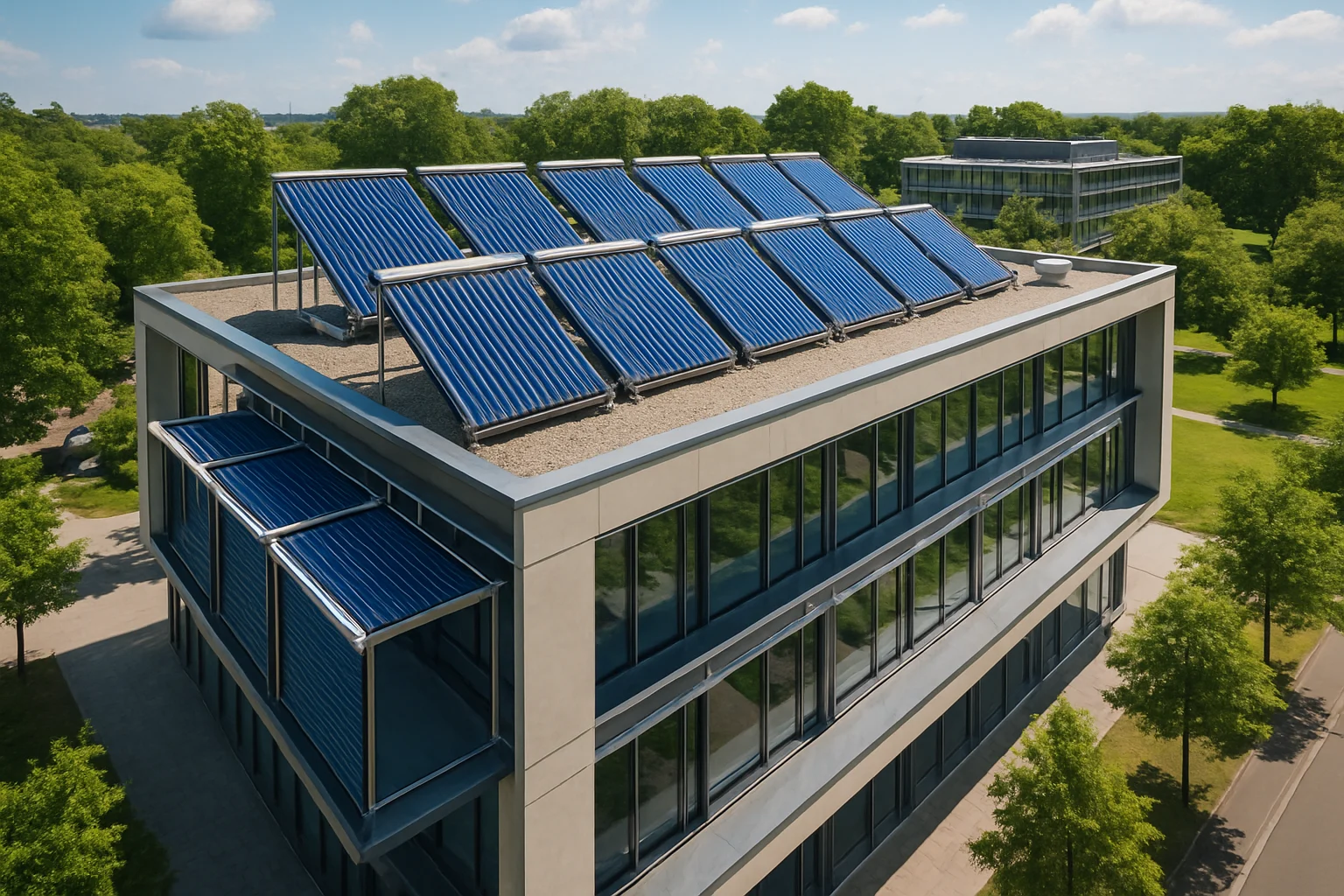
In today's world, where environmental sustainability is a pivotal consideration, architects and engineers are increasingly utilizing innovative technologies to enhance building energy efficiency. One effective method is the integration of solar thermal collectors, which harness solar energy to provide heating and hot water. This article explores the principles, types, benefits, and practical applications of solar thermal collectors in sustainable building design.
Understanding Solar Thermal Collectors
Solar thermal collectors are devices that capture sunlight and convert it into heat energy. This heat can be used for a variety of applications, including space heating, water heating, and even in some cases for powering cooling systems. The fundamental principle revolves around absorbing solar radiation, which is then transferred to a fluid that circulates through the collector.
Types of Solar Thermal Collectors
There are primarily two types of solar thermal collectors utilized in building applications:
- Flat-Plate Collectors: These are the most common type, featuring a flat, sun-facing panel that absorbs sunlight. They are typically used for residential hot water heating and have a simple design, consisting of a transparent cover, an absorber plate, and insulation.
- Evacuated Tube Collectors: These collectors consist of a series of glass tubes with a vacuum inside that provides excellent thermal insulation. They are more efficient than flat-plate collectors, especially in colder climates, and can achieve higher temperatures.

Benefits of Solar Thermal Collectors
Implementing solar thermal collectors in building designs offers several advantages, including:
- Energy Cost Reduction: By utilizing solar energy, buildings can substantially lower their energy bills, as they rely less on conventional energy sources.
- Environmental Impact: Solar thermal technology reduces greenhouse gas emissions, making it a crucial component of sustainable design.
- Increased Property Value: Properties that incorporate renewable energy technologies such as solar thermal collectors often see an increase in market value.
- Energy Independence: Utilizing solar energy can enhance a building's energy independence, reducing reliance on external energy suppliers.
Design Considerations for Integrating Solar Thermal Collectors
When incorporating solar thermal collectors into building designs, architects and engineers must consider several factors:
- Orientation and Tilt: The angle and direction of collectors are crucial for maximizing solar radiation absorption. Collectors should be oriented towards the equator and tilted at an angle that corresponds to the building's geographic location.
- Building Integration: Clean, integrated designs should seamlessly blend collectors with the building's architecture. This can enhance aesthetics while providing functionality.
- System Sizing: Sizing the solar thermal system correctly is essential for ensuring adequate heating. This involves calculating the building’s thermal loads, local climate conditions, and usage patterns.
- Regulatory Compliance: Check local codes and regulations regarding solar installations, as there may be specific requirements that must be met.
Applications of Solar Thermal Collectors in Buildings
Solar thermal collectors can be applied in a variety of building scenarios, including:
Residential Buildings
In homes, solar thermal systems can supply hot water for domestic use, as well as contribute to space heating. By using solar thermal technology, homeowners can achieve significant savings on energy costs.
Commercial Buildings
For larger commercial properties, solar thermal collectors can be utilized for heating swimming pools, supplying hot water for restrooms, and supporting heating, ventilation, and air conditioning (HVAC) systems.
Industrial Applications
In industrial settings, solar thermal energy can be harnessed for processes such as food processing, textile manufacturing, and chemical production, where large amounts of heat are required.
Challenges and Solutions
Despite their many benefits, the application of solar thermal collectors may face certain challenges:
- Initial Installation Costs: The upfront investment for solar thermal systems can be a barrier. However, financial incentives and rebates can alleviate these costs.
- Seasonal Performance Variability: Solar thermal efficiency can decrease during winter months. Designing systems with auxiliary heating options can mitigate this issue.
- Space Limitations: Limited roof space in urban areas can restrict installation. Innovative designs such as integrating collectors into facades or building-integrated photovoltaics (BIPV) can resolve this.
Conclusion
Solar thermal collectors play a vital role in promoting sustainable building design. By harnessing the sun's energy, these systems offer substantial environmental and economic benefits. As architects and engineers continue to explore and innovate, the integration of solar thermal technology will become increasingly essential in achieving energy-efficient and sustainable buildings. With careful consideration of design elements and a focus on overcoming challenges, the future of building design is bright, powered by the sun.