How to Implement Sustainability In The Home Design
With sustainability making a difference in what we wear, what we eat, and how we get around, it's no surprise that sustainability is now making its way into our homes.
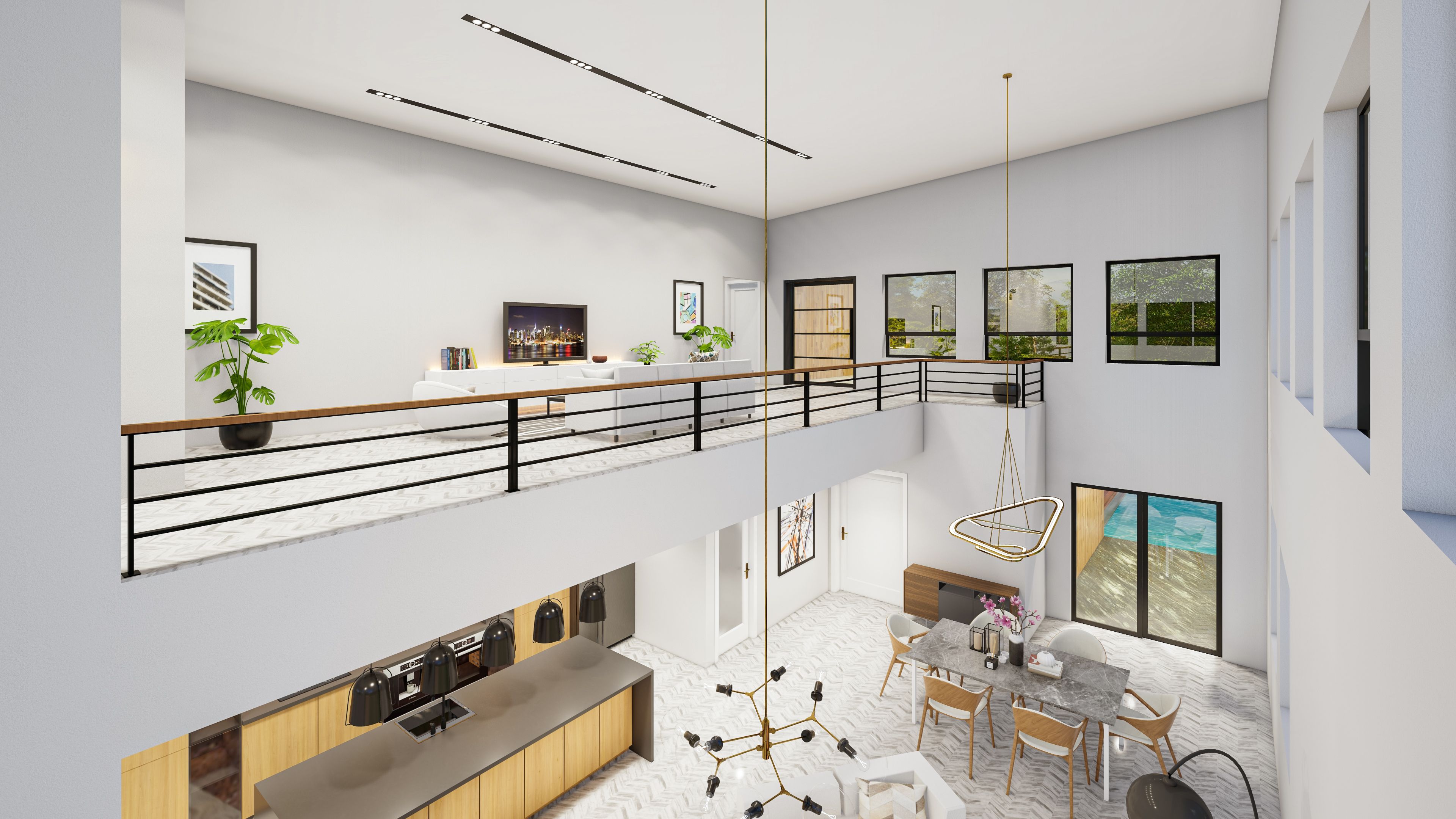
Sustainability is in every aspect of our lives in modern society. With sustainability making a difference in what we wear, what we eat, and how we get around, it's no surprise that sustainability is now making its way into our homes. Homes now are not just built and designed to be somewhere to eat and sleep, but they are purposeful structures designed to prioritise energy efficiency, maximise lighting and support the wellness of the occupants, all whilst helping the environment.
So, how do you implement sustainability into your home design, and what elements can you add into your home to not just benefit from lower energy and heating costs but also to support the environment?
Well, this blog aims to explore these sustainable elements, from climate control to materials and furnishings, so your home can be sustainable and stylish at the same time.
Materials and furnishings
Furnishing your home with natural fibres such as cotton, linen, hemp and wool can add visual appeal to your home through textures as well as muted colours, which can bring harmony throughout your home. As well as this, these materials often have properties which can keep the home cool or warm depending on the season, as well as lasting longer than synthetic polyesters, which are damaging to the environment and often wear down more quickly.
Upcycled pieces such as chairs and tables made from recycled wood or second-hand kitchens can help to support the environment by lowering the carbon emissions which are produced through the production process, all whilst costing less than the brand-new items. For many, this is a low-cost and low-emissions alternative to home furniture which is not just sustainable but creates a vintage and second-hand look.
Energy and climate control
In a climate with weather that is constantly getting more extreme, with hotter summers and colder winters, it's never been more important to ensure that the insulation and heating in your home is effective. This includes ensuring that the structure of the building has cavities and solid wall insulation so you do not have to rely on mechanical heating systems.
As well as this, ensure that you design your home with renewable power systems such as solar panels and heat pumps, which not only mean less reliance on fossil fuels, which are known to be damaging to the environment. The use of renewable energy also makes bills less expensive, which can help to counteract the rising cost of energy.
Waste
Modular fixtures are one way in which you can reduce waste. This is because furniture and layouts which move with you into the future and adapt to changing life, especially as you grow older, can reduce the need to purchase new furniture and make household changes, which can reduce waste and reduce the need to dispose of items. This can extend from cupboards to smaller things such as photo books, which can be changed and adjusted to transform a space.