3D Printing in the Culinary World: Innovations, Experiments, and Safety Concerns
Dive into the fascinating world of 3D food printing. Explore the latest innovations, notable experiments, and essential safety measures in this rapidly evolving field.
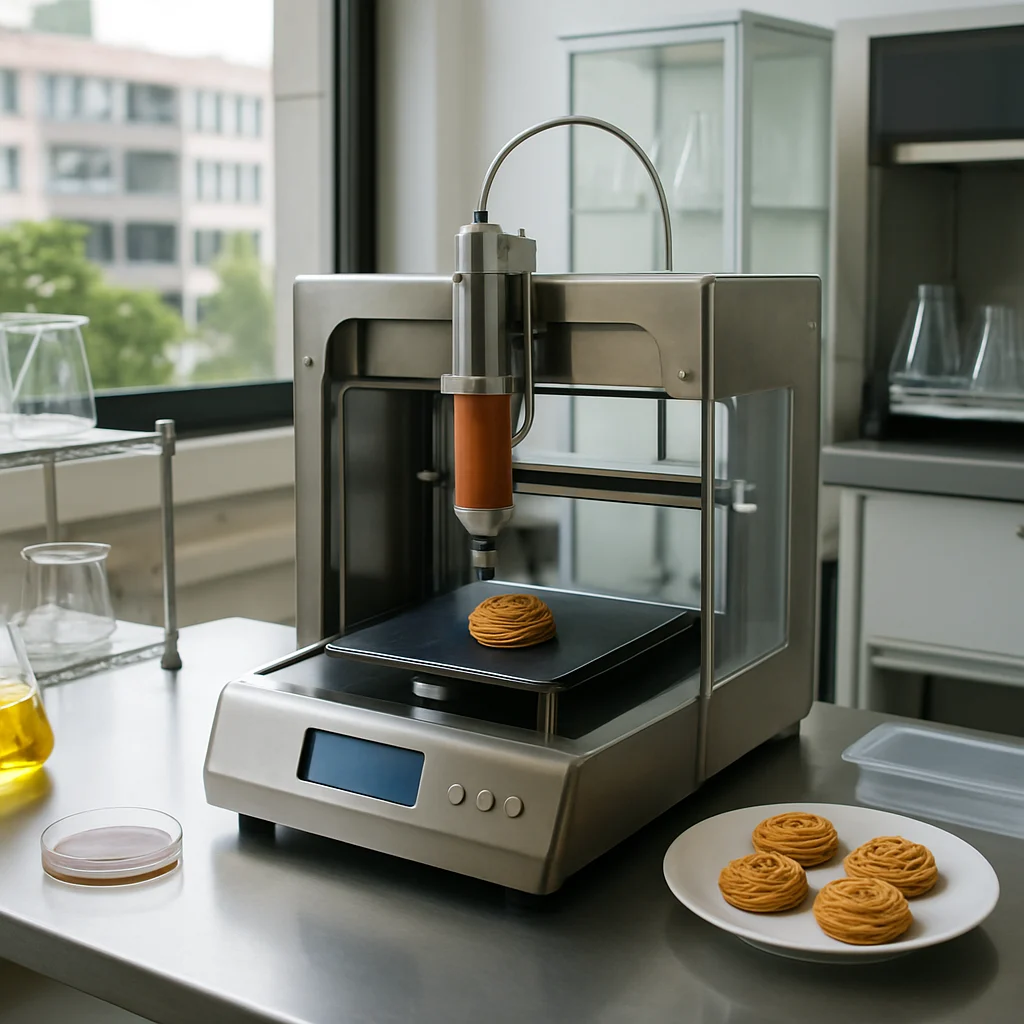
As technology progresses, the intersection of food production and 3D printing presents innovative solutions that promise to reshape how we view food and its production. From custom meal designs to efficient, sustainable food manufacturing processes, 3D food printing is not merely a novelty; it is a potential game-changer in the food industry. However, as exciting as these innovations are, they also come with significant safety considerations. In this article, we delve into the latest advancements in 3D food printing, explore remarkable experiments, and discuss the imperative safety measures that need to accompany this burgeoning field.
Understanding 3D Food Printing Technology
3D food printing, also known as additive manufacturing, involves creating food layers by extruding various edible materials through a nozzle. This method allows for intricate designs, precise control over ingredients, and custom nutritional profiles.
Some common technologies and their specific features include:
- Fused Deposition Modeling (FDM): This technology uses heated nozzles to melt food materials, typically pastes, which are then layered to create a final product.
- Selective Laser Sintering (SLS): A process that uses a laser to fuse powdered ingredients, creating a solid structure one layer at a time.
- Binder Jetting: In this approach, a liquid binder is selectively deposited on a powdered food substrate to create layers of food products.
Recent Innovations in 3D Food Printing
Recent innovations in 3D food printing have garnered attention from chefs, food scientists, and businesses alike. Revolutionary advancements include:
- Customizable Nutritional Ingredients: With the ability to manipulate ingredients at a molecular level, 3D printing allows for personalized nutrition tailored to individual dietary needs.
- Sustainable Food Production: 3D food printers can utilize byproducts and alternative proteins, which can contribute to reducing food waste and promoting sustainability.
- Increased Culinary Creativity: Chefs can push the boundaries of creativity by designing intricate dishes and textures that are difficult to achieve with traditional cooking methods.
Notable Experiments in 3D Food Printing
Across the globe, noteworthy experiments are successfully showcasing the possibilities of 3D food printing.
| Experiment | Location | Outcome |
|---|---|---|
| The Foodini by Natural Machines | Spain | Produced fresh pasta and pizza, proving that 3D printing can deliver fresh, healthy meals. |
| BYFlow's Focus on Chocolate | Netherlands | Enabled complex chocolate designs, showcasing the technology's ability in pastry arts. |
| Fries by 3D Systems | USA | Created a version of French fries, indicating how comfort foods can be reinvented. |
Safety Considerations in 3D Food Printing
While the innovations in 3D food printing offer exciting possibilities, they also raise important safety considerations. Ensuring the safety of printed food products is vital in preventing potential health risks. Here are key factors to consider:
- Ingredient Safety: The materials used in 3D printing must be food-grade and adhere to safety standards set by health organizations.
- Hygiene Protocols: Printers must be regularly sanitized to prevent contamination, similar to traditional food preparation environments.
- Regulatory Compliance: It is essential to follow local and international food safety regulations, which might be specific to the technology and processes involved.
Tools and Workflows in 3D Food Printing
Several tools and workflows have emerged to assist professionals in the field of 3D food printing. Below, we compare three notable solutions:
| Tool | Features | Best For |
|---|---|---|
| Foodini | Multi-food functionality, easy to use, multiple nozzles | Home chefs and small-scale restaurants |
| Choc Creator | Focus on chocolate, intricate designs, various chocolate types | Pastry chefs and chocolatiers |
| 3D Systems ChefJet | High-quality sugar printing, wide range of colors, perfect for decoration | Bakeries and dessert shops |
Conclusion
The world of 3D food printing is rapidly evolving, showcasing remarkable innovations that hold the potential to revolutionize culinary arts. Notable experiments highlight the creativity and sustainability benefits of this technology. However, with these advancements come important safety measures that professionals must prioritize to ensure health and compliance. As we continue to explore this culinary frontier, the collaboration between engineers, architects, and food technologists will be crucial in shaping the future landscape of food production.