3D Printing Innovation: On-Site Printed Walls with Reinforcement - A Market Outlook
Dive into the transformative world of 3D printing innovation, focusing on on-site printed walls with reinforcement. This article evaluates market drivers, potential risks, and provides a comprehensive outlook for the next 12 to 24 months.
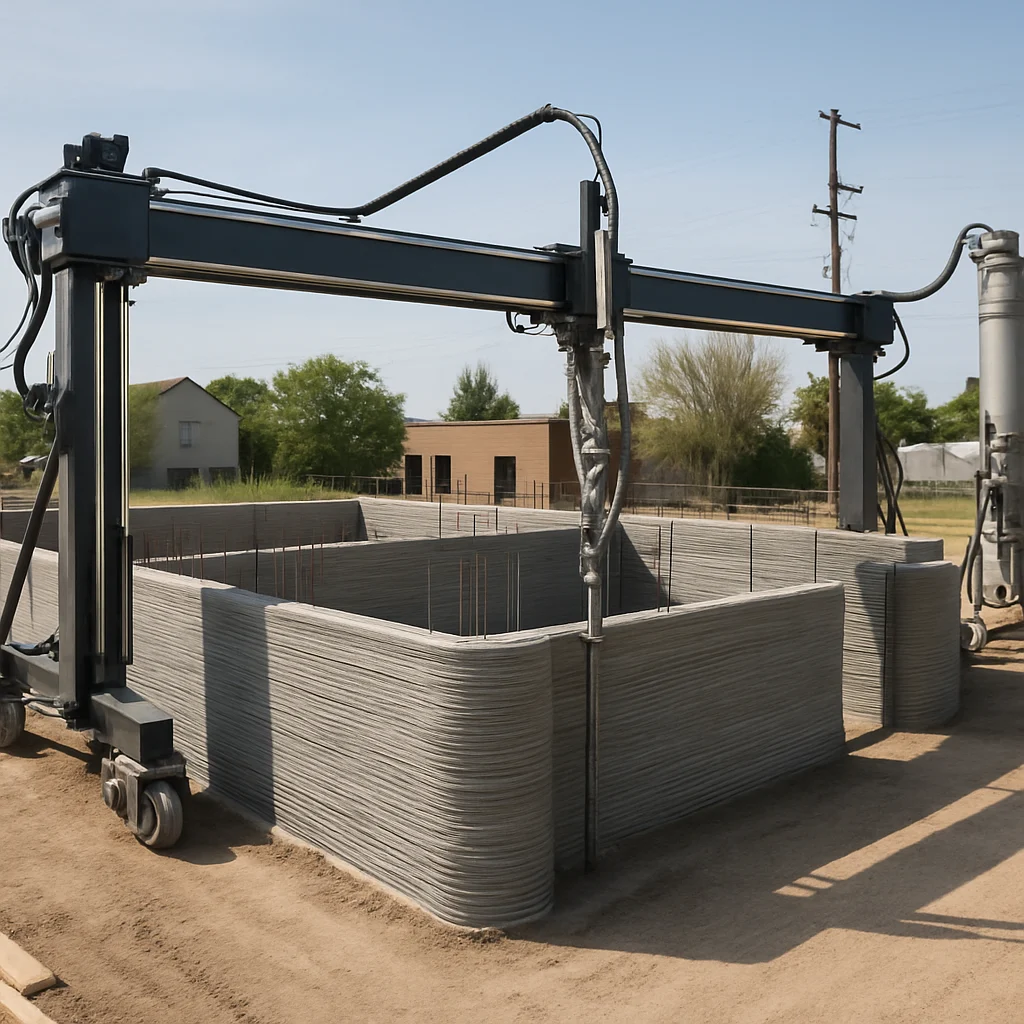
The construction industry is witnessing a remarkable evolution, driven by innovations in technology, sustainability mandates, and an urgent need for efficiency. Among these advancements, on-site 3D printing, particularly concerning walls with reinforcement, stands at the forefront. This article delves into the current state and future outlook of this fascinating technology in the USA.
Understanding 3D Printing in Construction
3D printing, or additive manufacturing, involves creating physical objects layer by layer from a digital model. In construction, this technology enables the direct printing of building components on-site, significantly reducing the need for traditional construction methods, which can be time-consuming and labor-intensive.
Key Drivers of 3D Printed Walls with Reinforcement
- Sustainability: With the growing emphasis on green building practices, 3D printing minimizes waste by using only the material needed for the print job. Furthermore, materials used in 3D printing can include recycled substances, aligning with environmental standards.
- Cost Efficiency: Reduced labor costs and shorter construction timelines can significantly lower the overall expenses associated with building projects. On-site printing eliminates the need for large transportation chains, cutting costs and carbon footprints.
- Customization and Flexibility: 3D printing allows for unique designs and adjustments to be made easily via digital models, supporting architectural creativity and adaptability to specific site constraints.
- Labor Shortage Solutions: With a notable labor shortage in the construction sector, automated technologies like 3D printing can mitigate staff shortages, enabling projects to maintain momentum.
Challenges and Risks
- Technology Maturity: While promising, 3D printing for construction is still in its infancy compared to traditional methods. Concerns around technology reliability and print quality remain critical.
- Regulatory Hurdles: Building codes and regulations lag behind technology advancements. Adapting existing codes to accommodate 3D printing remains a challenge that could slow adoption.
- Material Limitations: The selection of materials suitable for 3D printing has historically been limited. However, ongoing research into new composite materials is addressing this issue.
- Market Acceptance: Convincing stakeholders—especially conventional builders and investors—of the long-term viability and benefits of 3D printed structures is necessary for broader market penetration.
Market Outlook for the Next 12 to 24 Months
The outlook for on-site printed walls with reinforcement in the USA is promising, with several factors indicating growth potential:
- Investment Trends: Venture capital and government funding are increasingly directed towards innovative construction technologies, including 3D printing. This financial backing can spur research and development.
- Increased Adoption: As more case studies and successful projects emerge, the confidence of builders and architects is expected to grow significantly. Early adopters are paving the way for wider acceptance and practical methodologies.
- Technological Advancements: Continuous improvements in printing technology, materials, and structural capabilities will enhance the feasibility and desirability of on-site 3D printing.
- Institutional Support: As educational institutions and research entities focus on the benefits of 3D printing, a skill gap in the workforce is likely to close, enabling a wider talent pool familiar with this technology.
Conclusion
The innovation of 3D printing, particularly regarding on-site printed walls with reinforcement, presents a transformative opportunity for the construction industry. While challenges remain, the market outlook indicates a growing acceptance and adoption of this technology in the USA. By addressing the pertinent risks and embracing the drivers, stakeholders in architecture, engineering, and real estate stand to benefit significantly in the coming years.