Revolutionizing Healthcare Solutions: 3D Printing Innovations in Dental and Medical Device Chains
Explore how 3D printing is transforming the dental and medical device industries with innovative solutions that enhance patient care and streamline production processes.
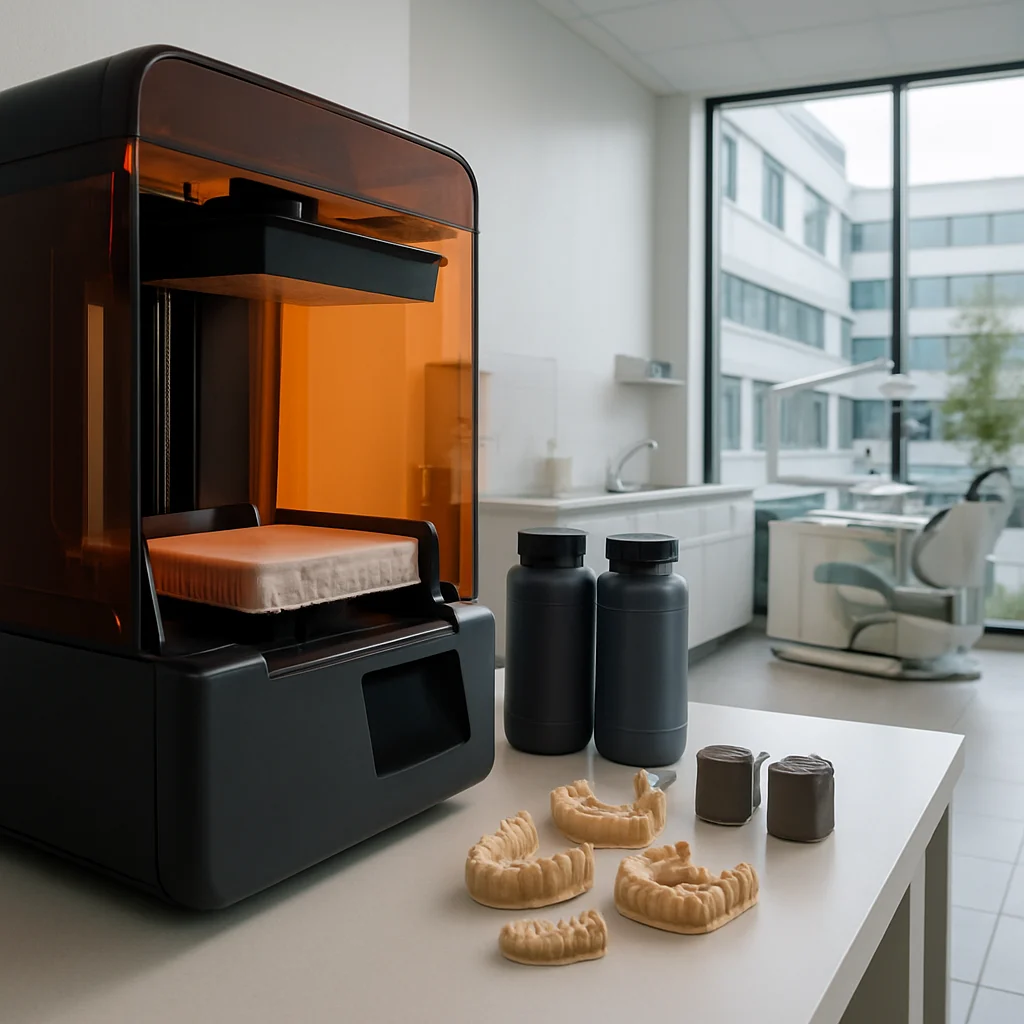
The integration of 3D printing technology into the healthcare sector, particularly within the dental and medical device industries, has sparked a revolution in how products are designed, manufactured, and delivered. This article presents a comprehensive case study that illustrates the challenges, solutions, and lessons learned from the adoption of additive manufacturing (AM) in these fields.
Context: The Need for Innovation in Healthcare
As demands for personalized care and efficient production processes grow, healthcare providers are under pressure to innovate. Traditional manufacturing processes often fail to meet the needs of an increasingly diverse patient population, leading to delays and increased costs. 3D printing technology offers a solutions-based approach, allowing for tailored solutions that can significantly improve patient outcomes.
Constraints: Navigating Challenges in Adoption
- Regulatory Compliance: Ensuring that 3D-printed devices meet stringent medical standards set by authorities such as the FDA and EMA can be a lengthy and complex process.
- Material Limitations: The choice of materials for 3D printing in medical applications must prioritize biocompatibility, durability, and safety, often limiting options.
- Cost Implications: Initial investments in 3D printing technology and training can be significant for healthcare providers, especially smaller practices.
Solution: Implementing 3D Printing in Dental and Medical Device Chains
One prominent case study focuses on a dental clinic that adopted 3D printing technology to create custom dental implants and prosthetics. The clinic faced frequent issues with traditional manufacturing methods, including long lead times and high material waste.
By integrating 3D printing, the clinic was able to:
- Reduce Production Time: 3D printing allowed for rapid prototyping, reducing the time from design to finished product considerably.
- Enhance Customization: The technology facilitated the production of patient-specific dental solutions, accommodating unique anatomical needs for optimal fit and comfort.
- Lower Costs: With the ability to produce components in-house, the clinic drastically reduced outsourcing costs and minimized material waste.
In the medical device sector, a hospital collaborated with a biotech firm to produce surgical guides tailored to individual patients. This initiative led to:
- Increased Surgical Precision: Custom guides produced via 3D printing improved the accuracy of procedures, resulting in shorter recovery times.
- Streamlined Inventory Management: By producing guides on-demand, the hospital reduced inventory costs and minimized inefficiencies associated with traditional stocking practices.
Lessons Learned: Key Takeaways from the Case Studies
- Collaboration is Essential: Successful integration of 3D printing requires collaboration among engineers, healthcare professionals, and regulatory bodies to address challenges comprehensively.
- Invest in Training: Proper training for staff ensures effective operation of 3D printers and maximizes the technology's potential benefits.
- Embrace Iteration: Continuous improvement and adaptation of processes based on feedback and advancements in technology are critical for long-term success.
Conclusion: Future of 3D Printing in Healthcare
The future of 3D printing in dental and medical device chains appears promising. As technology continues to evolve and regulatory frameworks expand, the potential for increased customization, efficiency, and patient care is vast. With ongoing research and development, stakeholders in the healthcare sector must remain vigilant and adaptable to harness the full potential of 3D technology. Embracing innovation not only positions healthcare providers at the forefront of modern medicine but ultimately leads to improved health outcomes for patients globally.