The Future of 3D Printing: Multi-Material Innovations for Embedded Electronics in the EU
Explore the groundbreaking advancements in 3D printing technology, focusing on multi-material printing for embedded electronics. This article provides a detailed checklist for engineers, architects, builders, and real-estate professionals eager to leverage these innovations in their projects across the EU.
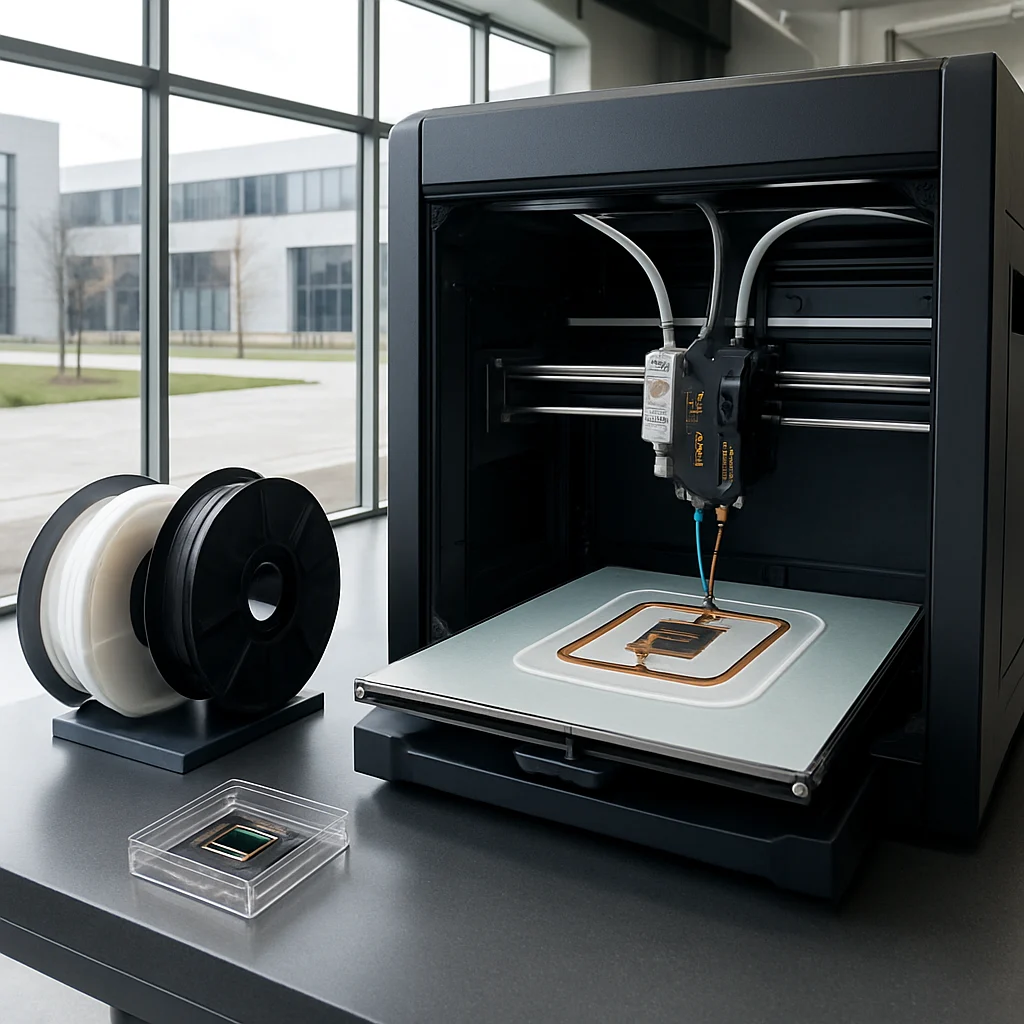
The advent of 3D printing has revolutionized numerous industries, particularly in architecture, engineering, and construction (AEC). As technology evolves, the integration of multi-material printing for embedded electronics has emerged as a significant innovation. This article aims to provide a comprehensive checklist for professionals in the AEC sector in the EU looking to capitalize on these advancements.
Understanding Multi-Material Printing
Multi-material printing allows manufacturers to create items with various materials in a single printing process. This capability is particularly beneficial for embedding electronics, reducing assembly times and enhancing design flexibility. Here are some key attributes:
- Material Versatility: Different types of plastics, metals, and conductive materials can be printed simultaneously.
- Enhanced Functionality: Integration of circuits directly into physical structures allows for smarter products.
- Reduced Waste: This technology minimizes material wastage compared to traditional manufacturing methods.
Benefits of Embedded Electronics in 3D Printing
By embedding electronics within 3D printed materials, companies can realize several benefits:
| Benefit | Description |
|---|---|
| Cost Efficiency | Reduces the need for separate manufacturing processes for electronic components. |
| Design Freedom | Facilitates complex shapes that would be challenging with traditional electronics. |
| Rapid Prototyping | Enables faster iterations and testing of electronic designs. |
Checklist for Implementing Multi-Material 3D Printing for Embedded Electronics
This checklist provides clear criteria to help professionals ensure successful integration of multi-material 3D printing in projects:
- Identify Project Requirements:
- Consider the functional requirements of embedded electronics.
- Define the materials needed for both structural components and electronics.
- Select Appropriate 3D Printer:
- Choose a printer capable of handling multiple materials simultaneously.
- Evaluate the printer’s compatibility with various filament types.
- Design for Additive Manufacturing:
- Incorporate design principles that leverage the benefits of 3D printing.
- Ensure that electronic components can be safely encased within printed structures.
- Testing and Validation:
- Conduct thorough testing of printed prototypes to ensure functionality.
- Document performance metrics against defined criteria.
- Regulatory Compliance:
- Verify compliance with EU regulations regarding electronic components.
- Ensure safety standards are met for materials used in construction.
Common Pitfalls to Avoid
While implementing multi-material 3D printing can be advantageous, be wary of these common pitfalls:
- Overcomplicating Designs: Maintaining simplicity can reduce potential errors in the printing process.
- Neglecting Material Properties: Understanding the interaction between different materials is crucial for structural integrity.
- Ignoring Post-Processing Needs: Many multi-material prints may require additional finishing processes to enhance durability.
Conclusion
The integration of embedded electronics in multi-material 3D printing represents a transformative opportunity for architects, engineers, and builders within the EU. By leveraging the checklist provided, industry professionals can navigate the complexities of this innovation and avoid common pitfalls, ultimately enhancing their project outcomes and delivering cutting-edge solutions in the built environment.