The Role of Recycled Feedstock in the Future of 3D Printing: A Market Outlook
As 3D printing technology continues to evolve, the integration of recycled feedstock is paving the way for a more sustainable and circular approach in additive manufacturing. This article explores the drivers, risks, and future outlook of this innovation in the global market.
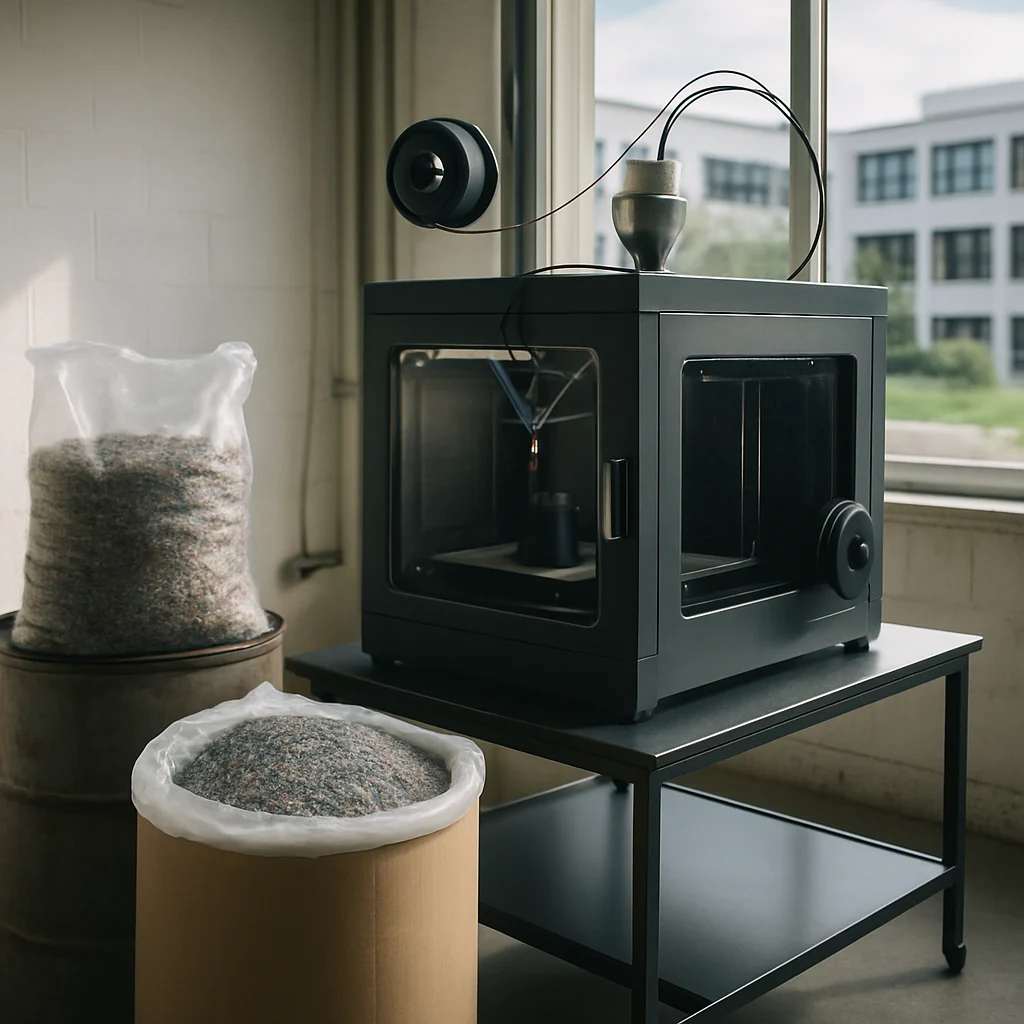
The advent of 3D printing technology has not only revolutionized manufacturing processes but has also raised critical conversations about sustainability and resource efficiency. As the world grapples with environmental challenges, the need for circular economy practices becomes increasingly urgent. One of the most promising innovations in this evolution is the use of recycled feedstock in additive manufacturing (AM). This article delves into the current state and future potential of recycled materials in 3D printing, providing insights that are crucial for engineers, architects, builders, and real estate professionals.
Understanding 3D Printing and Recycled Feedstock
3D printing, or additive manufacturing, is a process of creating three-dimensional objects layer by layer from digital models. The materials used in this process, known as feedstocks, traditionally include plastics, metals, and ceramics. However, as industries strive to reduce their carbon footprint and waste output, the exploration of recycled feedstocks is gaining traction. Recycled feedstock refers to materials that have been repurposed from waste and transformed into a suitable form for 3D printing.
Drivers of Innovation in Recycled Feedstock
- Environmental Concerns: The growing awareness of environmental issues drives companies to seek sustainable practices. Recycled feedstock reduces reliance on virgin materials, thereby minimizing resource depletion and increasing the sustainability of products.
- Economic Benefits: Utilizing recycled materials can reduce production costs. By sourcing materials from waste streams, manufacturers can lower their expenditures on raw materials.
- Regulatory Pressures: Governments across the globe are implementing stricter regulations regarding waste management and emissions. Companies that integrate recycled feedstock into their practices are better positioned to meet these regulations.
- Consumer Demand: There is an increasing demand for sustainable products among consumers. Brands that utilize recycled materials are often viewed favorably, enhancing their market appeal.
Challenges and Risks in Using Recycled Feedstock
While the potential benefits of using recycled feedstock are substantial, there are several challenges and risks that need to be addressed:- Quality Control: Recycled materials can vary in quality, which may affect the final product's performance. Standardizing processes to ensure reliable material quality is essential.
- Technological Limitations: Not all 3D printing technologies are currently compatible with recycled feedstocks. Ongoing research and development are needed to widen the scope of compatible materials.
- Market Acceptance: Manufacturers and consumers may hesitate to adopt recycled feedstocks due to misconceptions about their durability and quality.
- Supply Chain Issues: Sourcing high-quality recycled materials can be complex, requiring robust supply chain management to ensure a steady supply.
Market Outlook for the Next 12-24 Months
As companies increasingly adopt recycled feedstock, the market for this innovation is expected to expand significantly. Here are key trends and insights:| Trend | Insight |
|---|---|
| Increased Investment | More funding is anticipated in R&D for developing better recycling technologies and processes. |
| Standards Development | The industry is likely to see the emergence of more standards for recycled materials to ensure their quality and consistency. |
| Collaborative Efforts | Partnerships among industries, researchers, and governments will be crucial for advancing recycled feedstock utilization. |
| Consumer Education | Efforts to educate consumers regarding the benefits and performance of products made from recycled materials will enhance market acceptance. |