Essential Principles of Sustainable Architecture: A Comprehensive Checklist
Discover the fundamental principles of sustainable architecture through this in-depth checklist designed for architects, engineers, and real estate professionals. Enhance your projects with eco-friendly practices and innovative design.
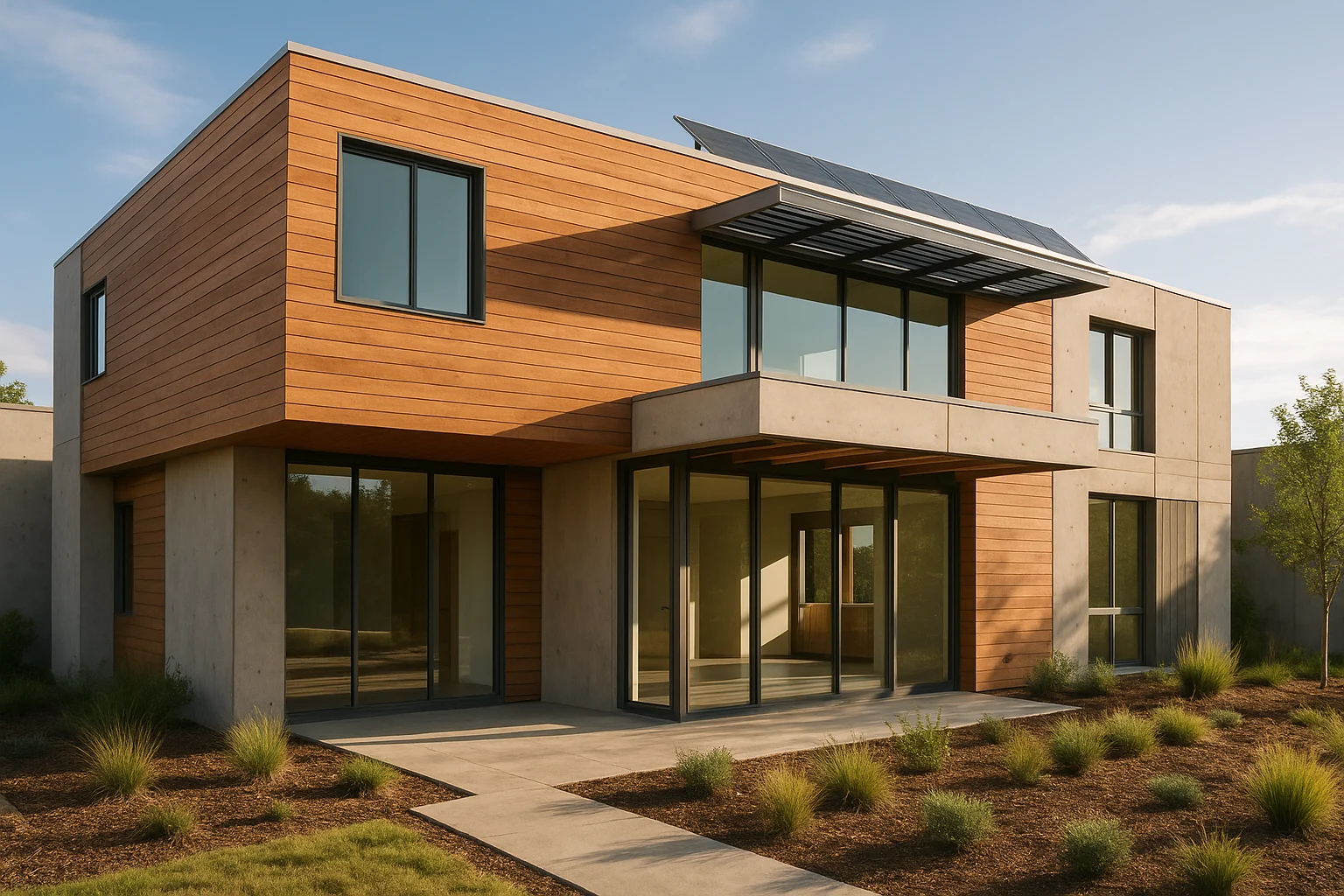
Sustainable architecture focuses on designing buildings that minimize negative impacts on the environment while maximizing efficiency and comfort for occupants. It involves creative solutions that consider ecological, social, and economic impacts throughout a building's lifecycle. This article presents a detailed checklist of essential principles of sustainable architecture, serving as a guide for architects, engineers, builders, and real estate professionals in the USA.
1. Site Selection and Planning
Choosing the right site is critical for sustainable architecture. Consider the following criteria:
- Proximity to Public Transport: Select locations with access to public transportation to reduce reliance on personal vehicles.
- Preservation of Natural Landscapes: Avoid areas that require extensive land alteration; consider the ecological impact of construction.
- Soil and Water Management: Evaluate soil conditions and ensure proper drainage to reduce water runoff and erosion.
- Community Needs Assessment: Engage with community stakeholders to understand local needs and integrate these into design plans.
2. Energy Efficiency
Energy consumption is a significant factor in building sustainability. Implement the following strategies:
- Passive Design Techniques: Utilize natural light, ventilation, and thermal mass to reduce reliance on artificial heating and cooling.
- High-Performance Insulation: Ensure that walls, roofs, and floors are well-insulated to minimize energy loss.
- Renewable Energy Sources: Integrate solar panels, wind turbines, or geothermal systems to provide renewable energy.
- Energy-Efficient Appliances: Choose energy-star-rated appliances to minimize energy use.
3. Water Conservation
Efficient water management is crucial for sustainable architecture. Consider these practical measures:
- Low-Flow Fixtures: Install water-efficient fixtures to minimize water usage.
- Rainwater Harvesting: Design systems to capture and utilize rainwater for irrigation or non-potable uses.
- Greywater Recycling: Implement systems to reuse treated greywater for landscaping and toilet flushing.
- Native Landscaping: Use drought-resistant plants that require less water and maintenance.
4. Material Selection
Choosing sustainable materials is essential for reducing a building's carbon footprint. Focus on the following:
- Recycled and Upcycled Materials: Use materials that have been recycled or repurposed to minimize resource consumption.
- Local Sourcing: Source materials from local suppliers to reduce transportation emissions and support the local economy.
- Sustainable Certifications: Look for materials certified by organizations like the Forest Stewardship Council (FSC) for sustainable timber.
- Durable and Low-Maintenance Materials: Select materials that last longer and require less upkeep to reduce lifecycle costs.
5. Indoor Environmental Quality
Creating a healthy indoor environment is vital for occupant well-being. Implement these strategies:
- Natural Ventilation: Design windows and openings to allow for cross-ventilation, improving air quality without mechanical systems.
- Low-VOC Materials: Use paints, adhesives, and sealants with low volatile organic compounds to reduce indoor air pollution.
- Daylighting: Maximize natural light through strategically placed windows to enhance mood and productivity.
- Acoustic Comfort: Design for sound insulation to ensure a peaceful indoor environment.
6. Waste Management
Effective waste management strategies during construction and operation are essential for sustainability:
- Construction Waste Recycling: Develop a waste management plan that includes recycling materials during construction.
- Deconstruction Methods: Opt for deconstruction rather than demolition to maximize the reuse of materials from existing buildings.
- Composting: Integrate composting systems for organic waste to minimize landfill contributions.
- Awareness and Training: Educate construction teams on recycling procedures and waste management practices.
7. Optimization of Building Systems
Integrating smart technologies can enhance building performance and sustainability:
- Building Automation Systems: Implement automated systems for lighting, HVAC, and security to optimize energy use.
- Smart Metering: Use smart meters to monitor energy and water consumption, enabling better resource management.
- IoT Integration: Incorporate Internet of Things (IoT) technologies for real-time monitoring of building performance.
- Regular Maintenance: Establish a routine maintenance program to ensure systems operate efficiently over time.
Common Pitfalls to Avoid
When implementing sustainable architecture principles, it’s essential to avoid common pitfalls:
- Ignoring Local Climate: Failing to consider the local climate can lead to ineffective design choices and higher energy use.
- Overlooking Regulations: Neglecting building codes and regulations can result in legal issues and project delays.
- Inadequate Life Cycle Assessment: Not conducting a thorough lifecycle assessment of materials and systems can lead to poor long-term decisions.
- Neglecting Stakeholder Engagement: Failing to involve community and stakeholders can lead to designs that don’t meet user needs or preferences.
Conclusion
Adopting the principles of sustainable architecture is essential for creating buildings that are environmentally responsible, economically viable, and socially beneficial. By following this comprehensive checklist, professionals in the architecture, engineering, and real estate fields can ensure their projects contribute positively to the environment while providing comfortable living and working spaces. The future of architecture lies in sustainability, and it is imperative for the building industry to embrace these principles.