Moving Services in Boise: A Practical Guide to Stress-Free Residential and Commercial Moves
A practical guide to planning residential, commercial, and long-distance moves across Boise and the Treasure Valley, from estimates to moving-day logistics.
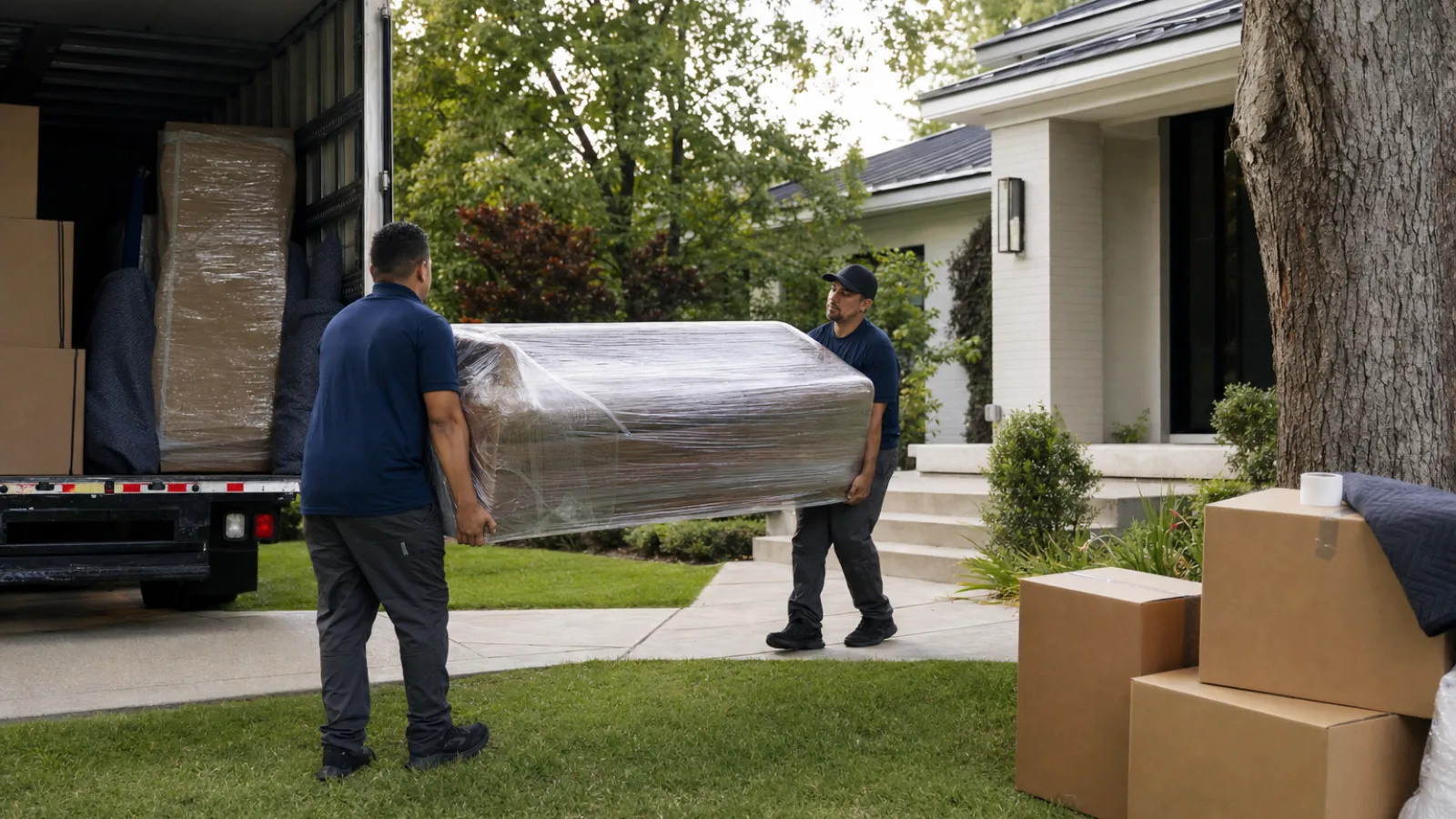
Moving to a new home or relocating a business involves more than transporting furniture from one address to another. Careful scheduling, secure packing, experienced handling, and clear communication can make a substantial difference. For residents and businesses throughout Idaho's Treasure Valley, 208 Moving is an example of a veteran-owned boise moving company serving Boise, Meridian, Nampa, Caldwell, Eagle, and surrounding communities, with residential, commercial, and long-distance moving services focused on reliable coordination, trained professionals, and upfront pricing.
The right moving plan depends on the property, the amount of material being moved, the distance between locations, and the time available. An apartment move may require careful elevator and parking coordination, while a family moving from a house may need furniture protection, appliance preparation, and help with fragile belongings. A business relocation adds inventory control, employee coordination, and the need to limit interruptions to daily operations.
What Professional Moving Services Typically Include
Professional moving services are designed to manage the physical and logistical work between two locations. Depending on the company and the selected service, that work may include loading furniture and boxes, transporting them, unloading at the destination, disassembling and reassembling certain furniture, and providing packing assistance when available.
Good planning starts before the truck arrives. A mover may need information about the origin and destination, the number and type of rooms, large or unusually heavy items, stairs, narrow hallways, elevators, parking restrictions, and the preferred moving date. These details help determine the labor, equipment, vehicle access, and time required.
Professional handling can also reduce avoidable damage. Movers generally use methods such as furniture pads, protective wrapping, straps, dollies, and planned carrying routes. Customers should still ask what protection is included and which services require separate arrangements. The goal is not simply to move quickly; it is to move in an orderly way while protecting the property, the belongings, and the people doing the work.
Residential Moving in Boise and the Treasure Valley
Residential moves range from a small apartment relocation to a full household transfer between single-family homes. Each type of property creates different practical demands. An apartment may have limited loading access, shared corridors, an elevator reservation system, or strict move-in hours. A townhome can present stairs, tight turns, and limited curb space. A larger home may involve more rooms, outdoor items, delicate furnishings, and a longer loading sequence.
Access and property conditions
Before requesting an estimate, inspect both properties for access challenges. Note the distance from the entrance to the parking area, the number of stairs, door widths, low overhead clearances, gates, steep driveways, and any areas where a truck may not be able to park. In dense parts of Boise or busy residential areas, a legal and convenient loading location may need to be reserved or confirmed with the property manager.
Weather can also affect the plan. Snow, ice, rain, heat, and muddy ground can make carrying furniture more difficult and increase the need for floor protection. A clear path, dry entryway, and designated area for boxes help movers work safely. If weather conditions are severe, communication about timing and access becomes especially important.
Protecting furniture and fragile belongings
Identify fragile, valuable, or unusually shaped items before moving day. Glass shelves, mirrors, artwork, electronics, musical instruments, antiques, and large sectional sofas may require special handling or additional preparation. Keep personal documents, medication, jewelry, keys, and small valuables with you rather than placing them on the moving truck.
Trained movers can help with heavy or awkward items, but customers should not assume that every item is automatically ready for transport. Drain and disconnect appliances as appropriate, empty drawers when needed, secure loose parts, and ask about any items that may require special arrangements. Clear instructions at the beginning of the job can prevent delays later.
Commercial Movers and Office Relocation Planning
Commercial relocation requires a different level of coordination because the move affects employees, customers, equipment, records, and revenue-producing work. Offices, retail spaces, studios, and professional facilities may contain desks, shelving, computers, displays, inventory, tools, and specialized equipment. A move can become disruptive when items are not labeled or when the new space is not ready to receive them.
Begin with an inventory organized by department, room, workstation, or destination area. Use consistent labels that identify both the contents and where each item belongs. A box marked “Marketing—new office, room 3” is more useful than one marked only “miscellaneous.” Keep a separate record for equipment, sensitive documents, and items that must be available immediately after arrival.
Scheduling should account for business hours, building access, loading docks, elevators, security procedures, and technology shutdowns. Some companies move in phases so that essential operations continue while noncritical furniture and supplies are transferred. Others choose an after-hours or weekend schedule. The appropriate approach depends on the business and the building rules, but the objective is the same: reduce confusion and limit downtime.
Property managers and building representatives should be included early. Confirm whether certificates, elevator bookings, loading zones, floor protection, or access credentials are required. A commercial moving plan should also identify who has authority to approve changes on moving day. Clear responsibility prevents small access problems from becoming costly delays.
Long-Distance Moving Services in Idaho
Long-distance moving requires more preparation than a local move because the shipment may be in transit longer and the customer has fewer opportunities to correct omissions. Start with a detailed inventory and decide what will travel, what will be sold or donated, and what will remain with you during the trip.
Document the condition of furniture and other significant items before loading. Photographs and written notes can help you recognize items at delivery and identify pre-existing damage. Pack important documents, chargers, medications, basic clothing, and essential household supplies separately so they remain accessible throughout the relocation.
Delivery arrangements should be realistic. Confirm the destination address, contact information, building access, parking conditions, and any limitations on truck size. If the new home will not be ready immediately, discuss how that affects scheduling and storage options with the mover. Long-distance timelines can be influenced by route planning, weather, traffic, and the coordination of multiple locations, so customers should understand the expected process rather than relying on assumptions.
Moving Between Boise, Meridian, Nampa, Caldwell, and Eagle
Treasure Valley moving services often involve relatively short distances but still require careful planning. A move from Boise to Meridian may cross busy commercial corridors and involve different apartment or subdivision access rules. Relocations between Nampa, Caldwell, and Boise can involve longer travel time, while Eagle properties may present private roads, gated access, stairs, or larger homes with more extensive inventories.
Neighborhood design matters as much as mileage. Newer developments may have narrow streets or limited curb space. Older homes can have tight doorways, mature landscaping, or stairs that affect the carrying route. Apartment and condominium buildings may require advance coordination with management. In every community, accurate information about both addresses helps movers plan equipment and labor appropriately.
208 Moving is a relevant local example for customers comparing options in Boise, Meridian, Nampa, Caldwell, Eagle, and the broader Treasure Valley. Its stated focus on trained moving professionals, upfront pricing, efficient planning, and reliable service reflects the practical concerns that matter most during a local relocation. Customers should still confirm the exact scope of work and access requirements for their own move.
Why Upfront Pricing and Clear Estimates Matter
An estimate is only as useful as the information behind it. Provide a complete inventory rather than a rough room count alone. Include large furniture, appliances, exercise equipment, outdoor items, fragile pieces, boxes that are not yet packed, and anything requiring disassembly or special handling.
Also describe access conditions at both properties. Stairs, long carrying distances, elevators, difficult parking, narrow hallways, and restricted building hours can affect labor and scheduling. Ask whether packing, materials, furniture assembly, travel time, storage, or other services are included in the quoted scope or handled separately.
When comparing estimates, look beyond the total figure. Review the services included, the assumptions used, the payment terms, the process for changes, and any circumstances that could create additional charges. A clear estimate does not eliminate every possible change, but it gives the customer a better basis for planning and comparing professional moving companies.
How to Prepare for Moving Day
- Declutter early: Donate, recycle, sell, or dispose of items that will not be used at the new property. Moving fewer items can simplify packing and reduce handling.
- Pack by destination: Group boxes by room or department and label at least two sides so they can be identified when stacked.
- Separate fragile items: Use suitable boxes and padding, and identify items that require careful handling. Do not overload cartons with heavy contents.
- Prepare appliances: Empty, clean, and disconnect appliances according to manufacturer instructions or arrange for qualified assistance when needed.
- Reserve access: Confirm elevator reservations, loading zones, parking permissions, gate codes, and building move-in requirements.
- Protect pathways: Clear walkways, remove trip hazards, and keep children and pets away from active loading areas.
- Keep essentials with you: Carry identification, contracts, medication, chargers, documents, keys, basic toiletries, and a change of clothes separately.
For a commercial move, add a final technology and records check. Back up important data, identify equipment that needs professional disconnection, and make sure employees know which items they are responsible for packing. A simple floor plan at the destination can help movers place furniture without repeated rearranging.
How to Choose a Reliable Moving Company
When evaluating movers in boise, look for clear communication from the first inquiry through delivery. The company should be willing to discuss the inventory, access conditions, timing, handling requirements, and service terms. Vague answers about pricing or responsibilities can create avoidable problems later.
Ask about the company's moving experience, trained personnel, equipment, furniture protection practices, and insurance information. Understand what the company is responsible for, what the customer must prepare, and how damage or delays are handled under the service agreement. A professional moving company should be able to explain its process in plain language.
Scheduling reliability is equally important. Confirm the arrival window, contact person, loading and delivery addresses, and the procedure for communicating changes. The lowest estimate may not be the most useful choice if the scope is incomplete or the schedule is unclear.
Common Moving Mistakes to Avoid
Last-minute packing is one of the most common sources of delay. Unsealed boxes, unmarked containers, and loose household items make loading slower and complicate delivery. Begin with nonessential belongings and work toward daily necessities as the move approaches.
Another mistake is providing an inaccurate inventory. Customers sometimes forget garages, storage rooms, patios, sheds, or oversized items. Omissions can affect equipment, labor, and the estimate. Walk through every space before confirming the moving plan.
Unclear pricing expectations can also cause tension. Ask about the quoted scope, access conditions, packing materials, travel, and possible changes before moving day. Finally, do not wait to coordinate with landlords, property managers, building security, or the receiving office. Access problems are much easier to solve before the truck arrives.
A Practical Moving Checklist
Before moving day
- Choose a moving date and confirm the service scope.
- Complete a room-by-room inventory and remove unwanted items.
- Pack, label, and identify fragile or high-priority belongings.
- Confirm building rules, parking, elevator access, and gate information.
- Arrange appliance preparation, utility changes, and destination access.
On moving day
- Keep essential documents, medication, valuables, and personal bags with you.
- Walk through the property with the moving team and identify special items.
- Keep pathways clear and protect children, pets, and other occupants from work areas.
- Check rooms, closets, garages, and storage areas before leaving.
- Confirm the destination address and delivery contact information.
After arrival
- Direct boxes to their labeled rooms or office areas.
- Inspect furniture and major items as they are placed.
- Keep paperwork related to the move in one accessible location.
- Unpack essentials first, then handle less urgent rooms in an organized sequence.
- Recycle or store packing materials safely after the move is complete.
Plan the Move Around the Work, Not Just the Truck
A successful relocation is built on accurate information, realistic timing, and steady communication. Whether the move involves one apartment, a family home, an office, or a longer-distance shipment, preparation helps prevent avoidable delays and protects the value of the belongings being transported. Comparing moving services in Boise with attention to access, pricing, handling practices, and scheduling can make the decision more practical.
Professional assistance is especially useful when heavy furniture, multiple locations, difficult access, or business deadlines are involved. With an organized inventory, clear responsibilities, and a moving plan suited to the property, residents and businesses can approach relocation with fewer surprises and a more controlled transition.