Principles of High-Rise Architectural Design: A Comprehensive Guide
This guide explores essential principles for designing high-rise buildings, focusing on structural integrity, sustainability, and urban integration.
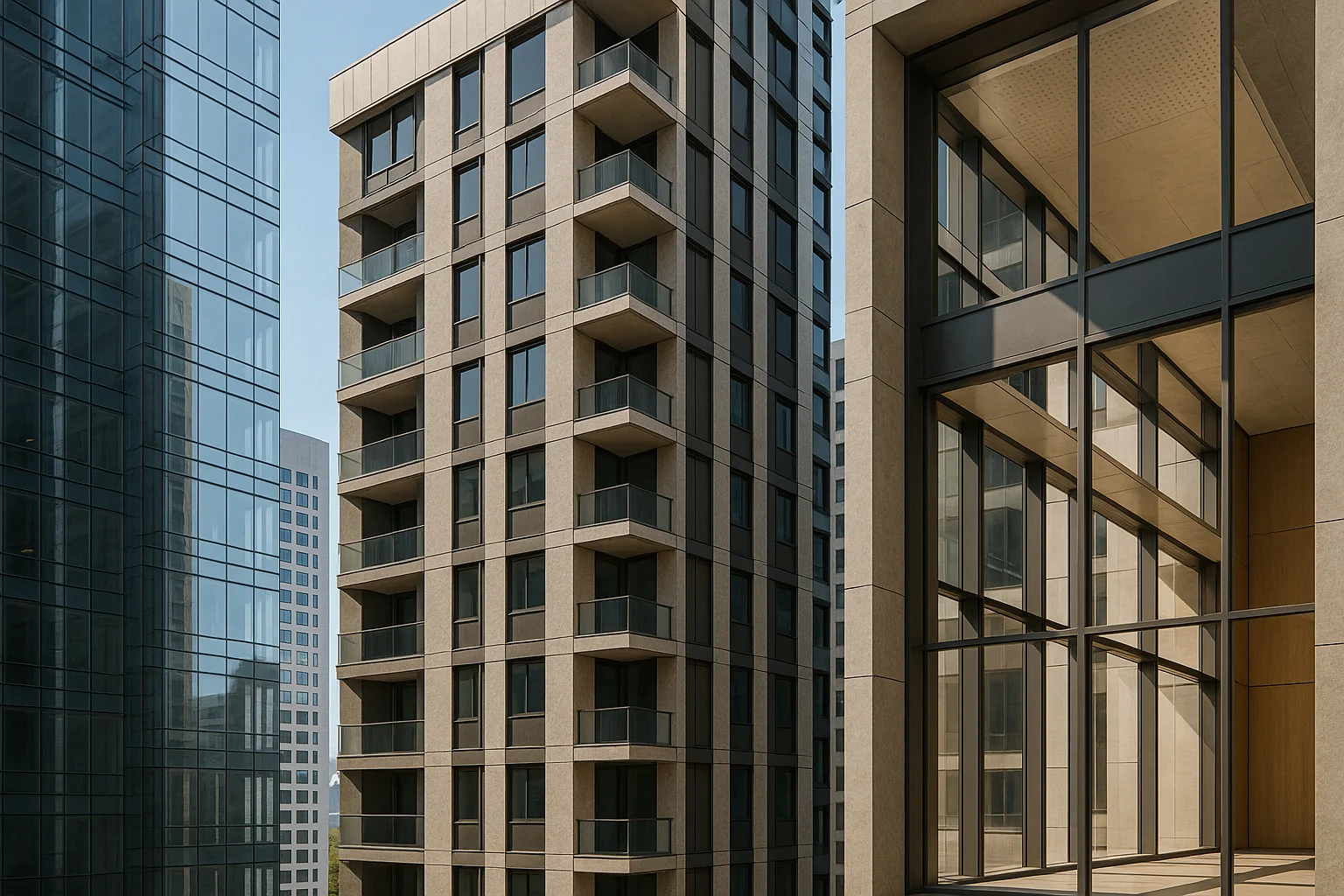
High-rise buildings are an essential aspect of urban landscapes, representing both architectural prowess and societal needs. As cities grow, the demand for vertical structures rises, making it imperative for architects and engineers to understand the principles of high-rise design. This article provides a step-by-step guide to the critical aspects of high-rise architectural design, tailored for professionals in engineering, architecture, construction, and real estate industries.
1. Understanding Structural Integrity
Structural integrity is the foundation of any high-rise building. Without adequate strength and stability, a skyscraper could collapse, endangering lives and investments. Here are key points to consider:
- Load Distribution: Ensure that the building’s structure distributes loads evenly across its foundation. Use advanced modeling tools to simulate how your design reacts under various conditions.
- Material Selection: Select high-strength materials, such as steel and reinforced concrete, that can withstand environmental forces like wind, earthquakes, and other stresses.
- Foundation Design: A well-designed foundation, such as deep piles or caissons, ensures stability and supports the vertical load of the structure.
2. Emphasizing Sustainability
Sustainability is increasingly important in high-rise design, as it addresses environmental concerns while promoting energy efficiency and resource conservation. To achieve sustainability in high-rise architecture, consider the following:
- Energy Efficiency: Integrate renewable energy sources, such as solar panels and wind turbines, to minimize reliance on non-renewable energy.
- Green Materials: Use environmentally friendly building materials that are recyclable and have low carbon footprints.
- Water Conservation: Implement systems for rainwater harvesting and greywater recycling to promote water efficiency.
3. Urban Integration and Contextual Design
High-rise buildings must not only stand out visually but also fit within the urban context. Consider these guidelines for effective urban integration:
- Contextual Harmony: Analyze the architectural styles and cultural significance of surrounding structures to ensure your design complements the existing environment.
- Public Spaces: Create accessible spaces at the base of the building that invite public interaction, such as plazas, gardens, or retail areas.
- Transportation Accessibility: Ensure the building is connected to public transportation systems, reducing reliance on cars and promoting sustainability.
4. Aesthetic Considerations
The visual impact of a high-rise is crucial. Architects should focus on the following aesthetic principles:
- Proportions and Scale: Maintain human-scale proportions in design while considering the overall height and massing of the building.
- Architectural Style: Choose a style that resonates with the city’s cultural and historical narrative—modern, post-modern, or a fusion of different styles can be effective.
- Facade Design: Develop facades that add visual interest and reflect the building's purpose and context; consider materials, colors, and textures.
5. Safety and Compliance
Safety is paramount in high-rise design, necessitating adherence to local building codes and regulations. Key safety aspects include:
- Fire Safety: Incorporate fire-resistant materials, effective sprinkler systems, and smoke evacuation strategies.
- Evacuation Plans: Design for efficient emergency egress routes and safe assembly areas.
- Compliance with Codes: Stay informed of changes in local, state, and federal building regulations regarding structural and safety standards.
6. Leveraging Technology in Design
Modern technology can significantly enhance the design process and the performance of high-rise buildings. Consider the following technologies:
- BIM (Building Information Modeling): Use BIM tools for collaborative design, visualization, and management throughout the building lifecycle.
- Simulation Software: Utilize software for energy modeling, structural analysis, and environmental impact assessments.
- Smart Building Technologies: Integrate IoT devices for real-time monitoring and management of building systems, enhancing operational efficiency.
7. Project Management and Collaboration
Effective project management is critical in high-rise construction to ensure timely delivery and budget compliance. Follow these steps:
- Cross-Disciplinary Collaboration: Foster communication among architects, engineers, contractors, and stakeholders to streamline workflow.
- Scheduling: Develop a detailed project timeline that outlines critical milestones and deadlines.
- Budget Management: Monitor project expenses closely to prevent overruns; consider value engineering options to optimize costs.
Conclusion
Designing high-rise buildings requires a multifaceted approach that integrates structural integrity, sustainability, aesthetic appeal, and compliance with safety regulations. By following these principles, architects and engineers can create structures that not only meet functional requirements but also enhance urban environments while standing the test of time. Whether you’re looking to start a new project or refine existing designs, these guidelines provide a solid foundation for successful high-rise architectural practices.
Checklist for High-Rise Architectural Design:
- Structural integrity assessment
- Material selection for sustainability
- Urban context analysis
- Aesthetic design review
- Safety and compliance verification
- Technology integration plan
- Project management strategy