Adaptive Reuse of Industrial Shells: Myths vs Facts in Business Development
Uncover the truth behind adaptive reuse of industrial shells in Europe, focusing on common misconceptions and providing clear facts to guide engineers and real estate professionals.
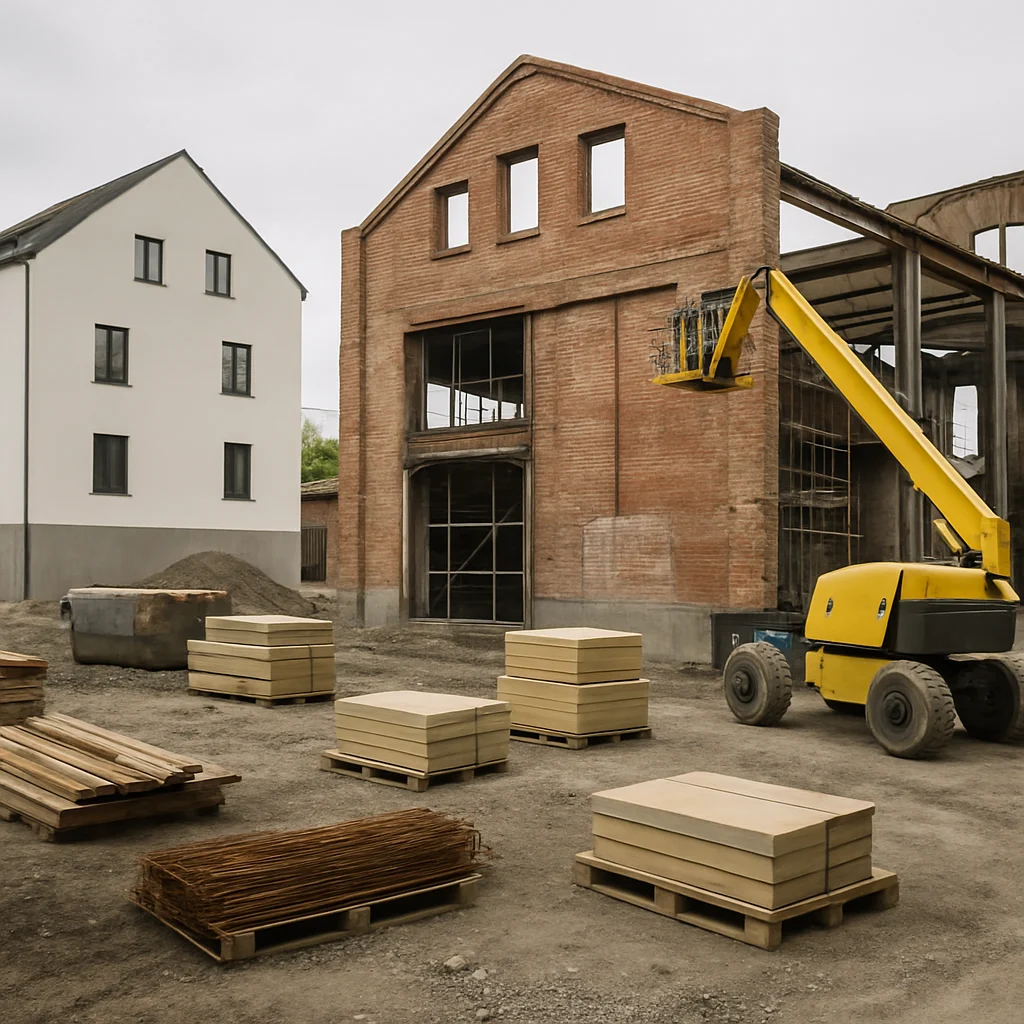
The adaptive reuse of industrial shells represents a significant opportunity in the realms of architecture, engineering, and real estate. As urban landscapes evolve, many professionals are exploring how to transform outdated industrial spaces into vibrant commercial or residential areas. However, even as this trend gains traction, misconceptions can hinder progress. In this article, we will explore common myths about adaptive reuse and provide factual insights to help guide business development efforts in this area.
Myth 1: Adaptive Reuse is Always More Expensive Than New Construction
Many assume that adaptive reuse requires significant financial investment, often exceeding that of new construction. However, this is not always the case.
- Fact: While initial costs may be high due to necessary renovations, adaptive reuse often benefits from existing infrastructure, reducing overall expenses.
- Fact: Government incentives for historical preservation can offset renovation costs, making adaptive projects more financially viable.
Myth 2: All Industrial Buildings are Suitable for Reuse
Not every industrial structure is fit for adaptive reuse. The belief that any old building can be renovated for modern use is misleading.
- Fact: Assessing the structural integrity and historical significance of a building is crucial before considering reuse; some may not meet safety or regulatory standards.
- Fact: Factors such as location, zoning regulations, and building condition greatly impact the feasibility of adaptive reuse projects.
Myth 3: Adaptive Reuse Projects Lack Architectural Integrity
There is a perception that adaptive reuse compromises architectural design quality.
- Fact: Successful adaptive reuse blends historic elements with modern design, creating unique architectural statements that enhance urban aesthetics.
- Fact: Many award-winning projects exemplify how creative design can preserve the soul of the original structure while meeting contemporary needs.
Myth 4: Environmental Benefits are Overstated
Some skeptics question the environmental advantages of adaptive reuse.
- Fact: Reusing existing buildings significantly reduces waste generated from demolition and conserves materials, contributing to sustainability efforts.
- Fact: According to various studies, adaptive reuse can result in lower carbon footprints compared to new construction, aligning with EU climate goals.
Myth 5: Adaptive Reuse is a Temporary Trend
There is a belief that adaptive reuse is just a passing fad in the real estate market.
- Fact: The global shift towards sustainability and urban regeneration ensures that adaptive reuse remains a relevant strategy for the foreseeable future.
- Fact: The increasing demand for mixed-use developments and affordable housing options positions adaptive reuse as a long-term solution for urban challenges.
Myth 6: Local Communities Oppose Adaptive Reuse
Some professionals feel that community resistance is a barrier to adaptive reuse projects.
- Fact: Engaging with local stakeholders often reveals strong community support, especially when projects promise economic revitalization and job creation.
- Fact: Successful projects often incorporate community feedback, increasing public buy-in and enhancing project outcomes.
Conclusion
Understanding the myths and facts surrounding the adaptive reuse of industrial shells is essential for professionals in the engineering, architecture, and real estate sectors. By dispelling common misconceptions, stakeholders can better appreciate the potential of adaptive reuse as a sustainable and economically viable strategy in the EU. As urban environments continue to change, the adaptive reuse of industrial shells offers a pathway to redefine our spaces while honoring their past.