3D Printing in Structural Prototypes: A Comparative Analysis of Leading Tools and Workflows
This article provides a comprehensive comparison of the top 3D printing tools and workflows used in creating structural prototypes, highlighting their features, advantages, and applicability in the architecture and engineering sectors.
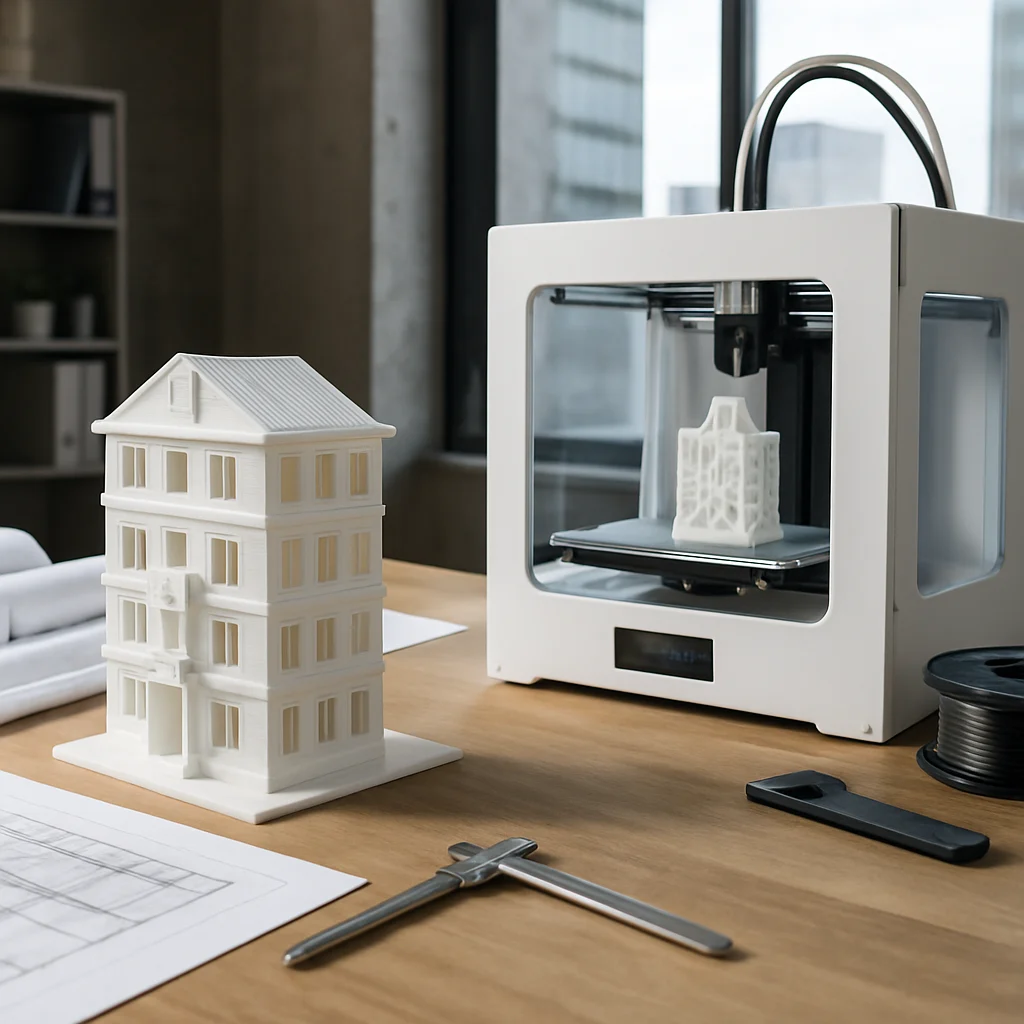
The landscape of construction is evolving rapidly with the advent of advanced technologies. One of the most transformative innovations in recent years is 3D printing, particularly in the realm of structural prototypes. This article delves into the different tools and workflows available for 3D printing in structural applications, comparing their capabilities to guide engineers, architects, builders, and real estate professionals in their selection process.
Understanding 3D Printing in Structural Prototyping
3D printing, or additive manufacturing, involves creating three-dimensional objects by layering materials based on digital models. In structural prototyping, this technology enables rapid development, testing, and iteration of designs, which can significantly shorten project timelines and reduce costs.
Key Benefits of 3D Printing in Structural Applications
- Speed: Rapid prototyping allows for quicker iterations, leading to faster project delivery.
- Cost-Effectiveness: Reduces material waste and can lower production costs.
- Complex Geometries: Facilitates the creation of intricate designs that would be challenging or impossible with traditional methods.
- Customization: Easily adjustable designs accommodate specific site requirements or client requests.
Comparative Analysis of Top 3D Printing Tools
Below, we take a closer look at three leading 3D printing tools commonly used in structural prototyping, evaluating their functionality, materials compatibility, and overall efficiency.
| Tool | Material Compatibility | Build Volume | Cost | Best For |
|---|---|---|---|---|
| Ultimaker S5 | PLA, ABS, Nylon, Composites | 330 x 240 x 300 mm | $6,000 | Mid-size structural components |
| Markforged Mark Two | PLA, Carbon Fiber, Fiberglass | 320 x 132 x 154 mm | $13,500 | Strong, lightweight prototypes |
| Concrete 3D Printer (ICON Vulcan II) | Concrete mixtures | Up to 1,400 sq ft | $250,000 | Full-scale structural applications |
1. Ultimaker S5
The Ultimaker S5 is a versatile FDM printer known for its easy setup and user-friendly interface. This tool supports a wide array of materials, making it suitable for creating mid-size structural components. Its build volume of 330 x 240 x 300 mm is adequate for prototyping a variety of designs.
2. Markforged Mark Two
The Markforged Mark Two stands out in terms of strength and durability due to its unique capability to print with carbon fiber and fiberglass. This tool is particularly beneficial when the mechanical properties of the prototype are a priority, enabling the production of lightweight yet robust structures.
3. ICON Vulcan II
For those looking to work at a larger scale, the ICON Vulcan II is a concrete 3D printer that offers significant advantages in building prototypes of structural elements. With the ability to cover upwards of 1,400 square feet, this printer is designed for full-scale applications, making it ideal for construction projects where both speed and structural integrity are essential.
Considerations for Selecting 3D Printing Tools
When choosing a 3D printing tool for structural prototyping, several factors should be considered:
- Project Scope: Consider the scale and complexity of the prototypes you plan to create.
- Material Requirements: Assess the materials needed for your specific engineering demands.
- Budget: Determine the overall costs, including initial investment and ongoing material expenses.
- Support and Training: Evaluate the level of support and training provided by the manufacturer to ensure successful implementation.
Conclusion
3D printing represents a significant advancement in the field of structural prototyping, offering unique advantages over traditional manufacturing methods. By understanding the various tools available and their specific capabilities, professionals in engineering, architecture, and construction can make informed decisions to optimize their design processes. As the technology continues to evolve, the potential for innovative applications in the built environment will only expand, paving the way for more efficient and sustainable construction practices globally.