Field Performance vs Laboratory Predictions: A Case Study in Material Evaluation
This case study examines the discrepancies between laboratory predictions and real-world performance of construction materials, highlighting lessons learned from a recent project.
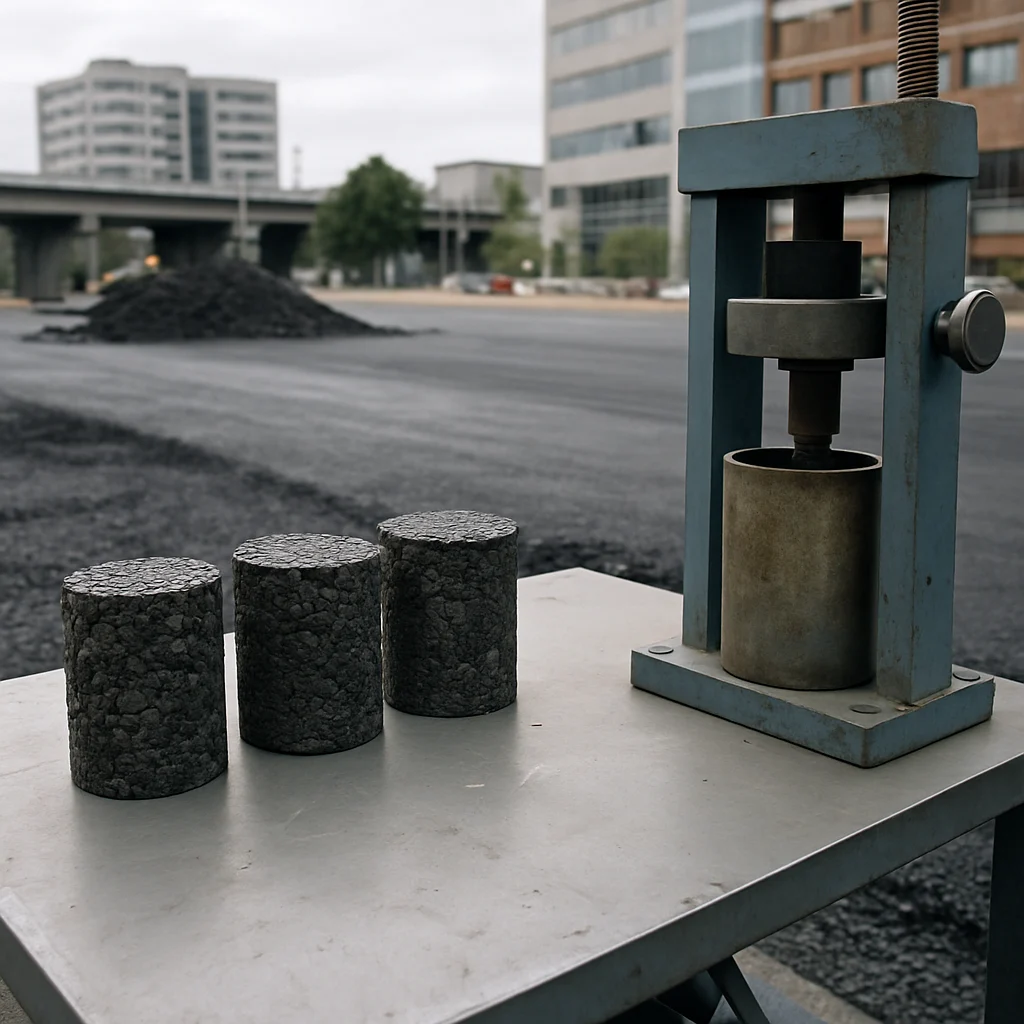
In the rapidly advancing fields of engineering and construction, the reliability of materials is crucial to the overall success of projects. While laboratory tests are designed to provide predictions about material performance, real-world conditions often challenge those predictions. This article presents a case study that highlights the discrepancies between laboratory predictions and actual field performance of a specific construction material, outlining the context, constraints, solutions, and lessons learned.
Context
The project selected for this case study involved the construction of a mid-rise residential building in an urban setting in the USA. The chosen construction material was a new type of composite concrete, marketed for its superior strength and durability under various environmental conditions. Laboratory tests indicated that this material would withstand the local climate, which included moderate temperatures and precipitation.
Constraints
- Environmental Factors: The area experienced unexpected weather patterns, including heavy rainfall and temperature fluctuations that were not adequately simulated in laboratory conditions.
- Material Availability: Supply chain issues limited alternatives, necessitating reliance on the newly developed composite concrete.
- Budget Constraints: The project budget prioritized cost-effective solutions, which limited comprehensive field testing post-installation.
Laboratory Predictions
The manufacturers of the composite concrete conducted extensive laboratory testing under controlled conditions. Key performance indicators included:
| Property | Lab Predicted Value | Testing Method |
|---|---|---|
| Compressive Strength (MPa) | 40 | ASTM C39 |
| Water Absorption (%) | 5 | ASTM C642 |
| Freeze-Thaw Resistance (Cycles) | 300 | ASTM C666 |
These predictions suggested that the composite concrete would perform excellently under moderate environmental stresses, thus leading to its selection for the project.
Field Performance
Months after construction was completed, several issues began to surface:
- Cracking: Hairline cracks appeared in various sections of the structure, particularly in areas exposed to direct sunlight and high moisture.
- Water Infiltration: Reports of water infiltration in basements raised concerns about long-term integrity and potential mold growth.
- Thermal Expansion: The material exhibited unexpected thermal expansion properties during temperature fluctuations, affecting the facade's aesthetics and integrity.
Analysis of Discrepancies
The failures observed in the field could be attributed to several factors that were not fully accounted for during laboratory testing:
- Environmental Simulation: Laboratory tests did not replicate the dynamic environmental conditions faced in the field, such as prolonged moisture exposure and rapid temperature changes.
- Material Composition Variability: Variations in the raw materials used in the composite concrete batch during actual production may have affected performance.
- Construction Practices: The construction methods employed during installation could have influenced the material's integrity, including improper mixing or curing.
Solutions Implemented
To address the field performance issues, the project team undertook a series of remedial actions:
- Enhanced Monitoring: Installation of sensors to monitor moisture levels and structural integrity over time.
- Remedial Repairs: Cracked areas were repaired using a compatible polymer-modified compound to restore structural integrity.
- Reassessment of Material Specifications: The project team collaborated with the material supplier to investigate the formulation and ensure future batches met performance requirements.
Lessons Learned
This case study yields several critical lessons for engineers, architects, and builders:
- Importance of Field Testing: Adequate field testing under real environmental conditions is essential before full-scale implementation.
- Collaboration with Suppliers: Ongoing communication with material suppliers can provide insights into performance variability and lead to necessary adjustments.
- Risk Management Strategies: Developing contingency plans for potential performance failures can mitigate the impact of unforeseen issues.
Conclusion
The discrepancies between laboratory predictions and field performance of construction materials highlight the complexities of real-world applications. While laboratory tests are invaluable for initial material evaluation, they cannot fully account for the myriad of factors that influence material behavior in dynamic environmental conditions. This case study serves as a reminder of the importance of continuous learning and adaptation in engineering practices to ensure material reliability and project success.