Harnessing Urban Cooling with Green Roofs: A Comparative Analysis of Design Tools
Explore the innovative application of green roofs in urban cooling and compare effective design tools to enhance sustainability in architecture and engineering.
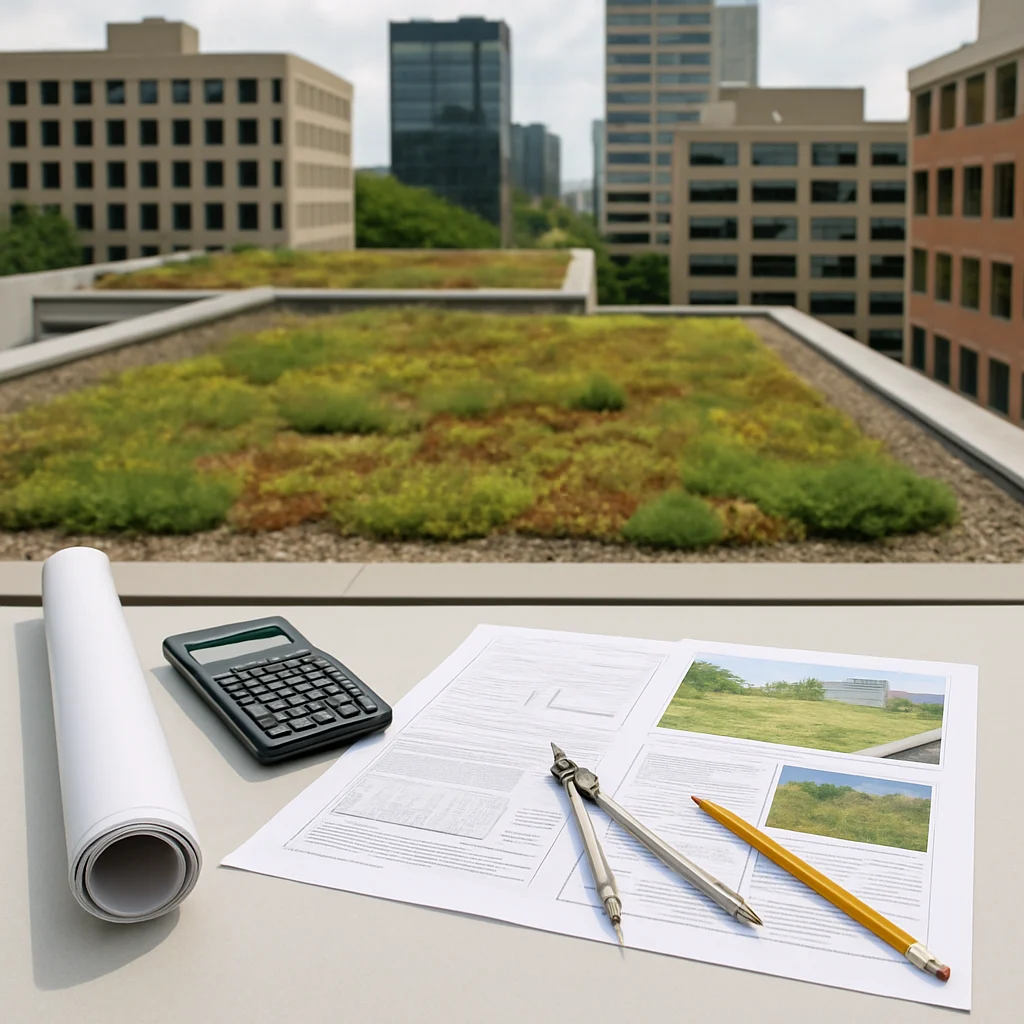
Urban areas are experiencing a significant rise in temperatures, commonly referred to as the urban heat island (UHI) effect. This phenomenon is largely due to increased impervious surfaces, reduced vegetation, and significant energy consumption, which ultimately leads to higher ambient temperatures. In response, green roofs have emerged as a viable solution for urban cooling, enhancing biodiversity, reducing energy costs, and improving air quality. In this article, we will explore the role of green roofs in urban cooling and compare various design tools available for architects, engineers, and builders to implement these systems effectively.
The Benefits of Green Roofs in Urban Cooling
- Temperature Regulation: Green roofs help maintain lower temperatures in urban areas by providing insulation and reducing heat absorption by buildings.
- Energy Efficiency: With lower temperatures, energy consumption for cooling systems is significantly reduced, leading to cost savings and lower greenhouse gas emissions.
- Stormwater Management: Green roofs absorb rainwater, reducing runoff and mitigating the risk of flooding.
- Biodiversity Enhancement: They promote diverse ecosystems, creating habitats for various species in urban settings.
- Air Quality Improvement: Vegetation on green roofs filters pollutants and improves overall urban air quality.
Overview of Design Tools for Green Roof Implementation
Successful incorporation of green roofs requires strategic planning and the right tools. Below is a summary of several popular tools used by professionals in the field alongside a comparison table to facilitate decision-making.1. GRASS (Green Roof Assessment Software System)
GRASS is a highly sophisticated tool that allows users to design and evaluate green roofs. It offers features for modeling hydrological performance, vegetation types, and overall energy efficiency. GRASS is particularly useful for understanding the microclimatic conditions and water balance of green roofs.
2. Green Roof Calculator (GRC)
The Green Roof Calculator is a user-friendly tool that focuses on the economic feasibility of green roofs. It provides estimates on installation costs, potential energy savings, and maintenance requirements, making it ideal for real-estate professionals and investors.
3. eQuest
eQuest is a widely used energy simulation tool that can analyze the impact of green roofs on the energy performance of buildings. It allows designers to quantify energy savings over time, proving valuable for architects and engineers in project planning.
4. i-Tree
i-Tree provides a suite of tools to assess tree cover and vegetation's environmental impact, making it applicable for evaluating green roofs. This tool helps quantify benefits such as carbon sequestration and air pollution reduction.
5. AutoCAD with Green Roof Plug-ins
AutoCAD, alongside specialized plug-ins for green roofs, allows architects to visualize and design complex green roof systems. This combination offers a powerful platform for integrating green roofs into larger architectural projects.
Comparison Table of Green Roof Design Tools
| Tool | Primary Function | Best For | Key Features |
|---|---|---|---|
| GRASS | Assessment and modeling | Designers and ecologists | Hydrology models, vegetation selection |
| Green Roof Calculator | Cost estimation | Real-estate professionals | Installation costs, maintenance, savings |
| eQuest | Energy simulation | Architects and engineers | Energy performance analysis |
| i-Tree | Environmental impact analysis | Environmental analysts | Carbon sequestration metrics |
| AutoCAD | Visualization and design | Architects | 3D modeling, integration with designs |