Exploring Biophilic Design in Civil Engineering: Tools and Workflows for Enhanced Outcomes
This article delves into biophilic design's significance in civil engineering, comparing essential tools and workflows that help implement these concepts effectively in projects.
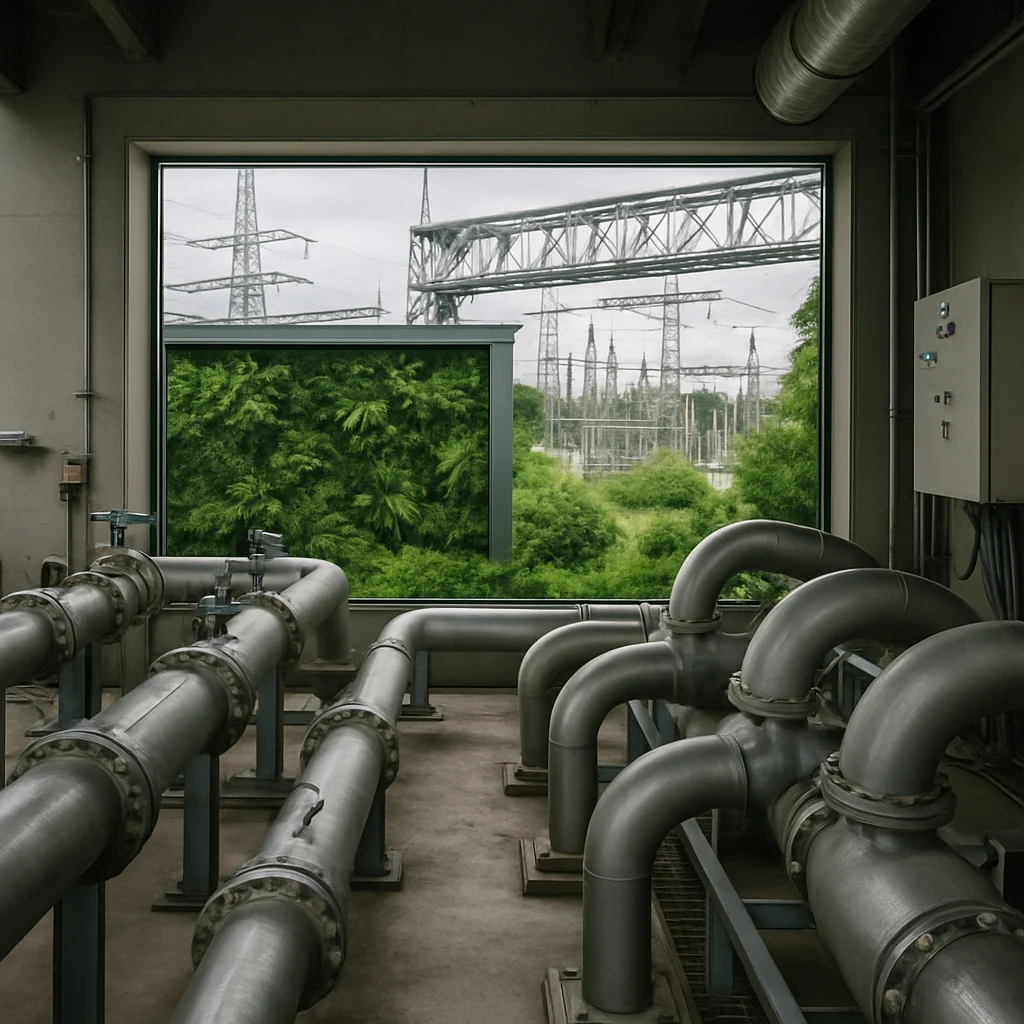
The integration of nature into architectural and engineering practices is more than just a trend; it is a necessity for enhancing the wellbeing of building occupants and the surrounding environment. Biophilic design, which emphasizes the human-nature connection, is proving to be essential in creating sustainable and health-promoting spaces. In this article, we will explore several tools and workflows that civil engineers, architects, builders, and real estate professionals can employ to implement biophilic design effectively.
Understanding Biophilic Design
Biophilic design is rooted in the concept that humans have an innate need to connect with nature. This approach goes beyond just aesthetic elements; it encompasses the incorporation of natural light, plants, water features, and natural materials to create environments that promote psychological wellbeing and productivity. Research indicates that environments designed with biophilic principles can lead to improved health outcomes, increased productivity, and greater overall satisfaction among inhabitants.
Key Tools and Workflows for Biophilic Design
Implementing biophilic design requires specialized tools and methodologies that facilitate the integration of natural elements into the built environment. Below, we examine five prominent tools and workflows commonly used in civil engineering to implement biophilic design principles.
| Tool/Workflow | Description | Key Features | Best Suited For |
|---|---|---|---|
| 1. SketchUp | A 3D modeling software that allows designers to create accurate representations of spaces. | Intuitive interface, extensive library of textures, and plugins for landscape design. | Architects and landscape designers. |
| 2. Autodesk Revit | A BIM tool that enables architects and engineers to design with a focus on sustainability. | Integrated energy analysis, parametric design capabilities, and collaboration features. | Multi-disciplinary project teams. |
| 3. Rhino + Grasshopper | A design software combined with a visual programming language for generative design. | Ability to create complex forms, environmental simulations, and parametric components. | Advanced designers and engineers. |
| 4. Lumion | A visualization tool specializing in real-time rendering to showcase biophilic elements. | Easy-to-use interface, fast rendering, and extensive plant library. | Presenters and marketers. |
| 5. ArchiCAD | A BIM software designed for architects to create efficient designs with natural elements. | Strong collaboration tools, integrated energy modeling, and intuitive design workflow. | Architectural firms focused on sustainability. |
In-Depth Tool Comparisons
Let’s take a closer look at how these tools compare in terms of their functionalities and suitability for biophilic design practices.
SketchUp vs. Autodesk Revit
SketchUp is favored for its intuitive interface, making it accessible for early conceptual designs where spatial relationships and visual integration with nature are explored. However, Autodesk Revit shines in scenarios requiring comprehensive building information modeling (BIM) and sustainability analysis. For team projects aiming at intricate sustainability metrics, Revit is the preferred choice.
Rhino + Grasshopper vs. Lumion
For projects that demand complex geometries and environmental performance analysis, Rhino combined with Grasshopper offers unmatched flexibility and control. Lumion, on the other hand, serves as an excellent visualization tool that allows for showcasing biophilic features in real-time to clients and stakeholders, making it indispensable for effective presentations.
Impact of Biophilic Design on Project Outcomes
Implementing biophilic design can have significant positive impacts on various project outcomes:
- Enhanced Occupant Well-being: Natural elements have been shown to reduce stress, improve mood, and increase overall occupant satisfaction.
- Increased Productivity: Access to natural light and greenery can lead to better performance in workplaces and educational institutions.
- Environmental Sustainability: Thoughtfully designed spaces can enhance biodiversity and reduce the ecological footprint of buildings.
Conclusion
As the push for sustainability and wellbeing in the built environment grows, the significance of biophilic design will only increase. By utilizing the appropriate tools and methodologies, civil engineers, architects, and builders can foster environments that not only align with natural principles but also yield positive outcomes for occupants and communities. The tools highlighted in this article serve as essential resources for anyone looking to embrace biophilic concepts in their projects, ultimately enhancing both the experience of space and the relationship between humans and nature.