Innovative Approaches in Civil Engineering: A Case Study in Sustainable Urban Development
Explore a detailed case study that examines innovative civil engineering techniques applied in a sustainable urban development project in Europe, highlighting challenges, solutions, and lessons learned.
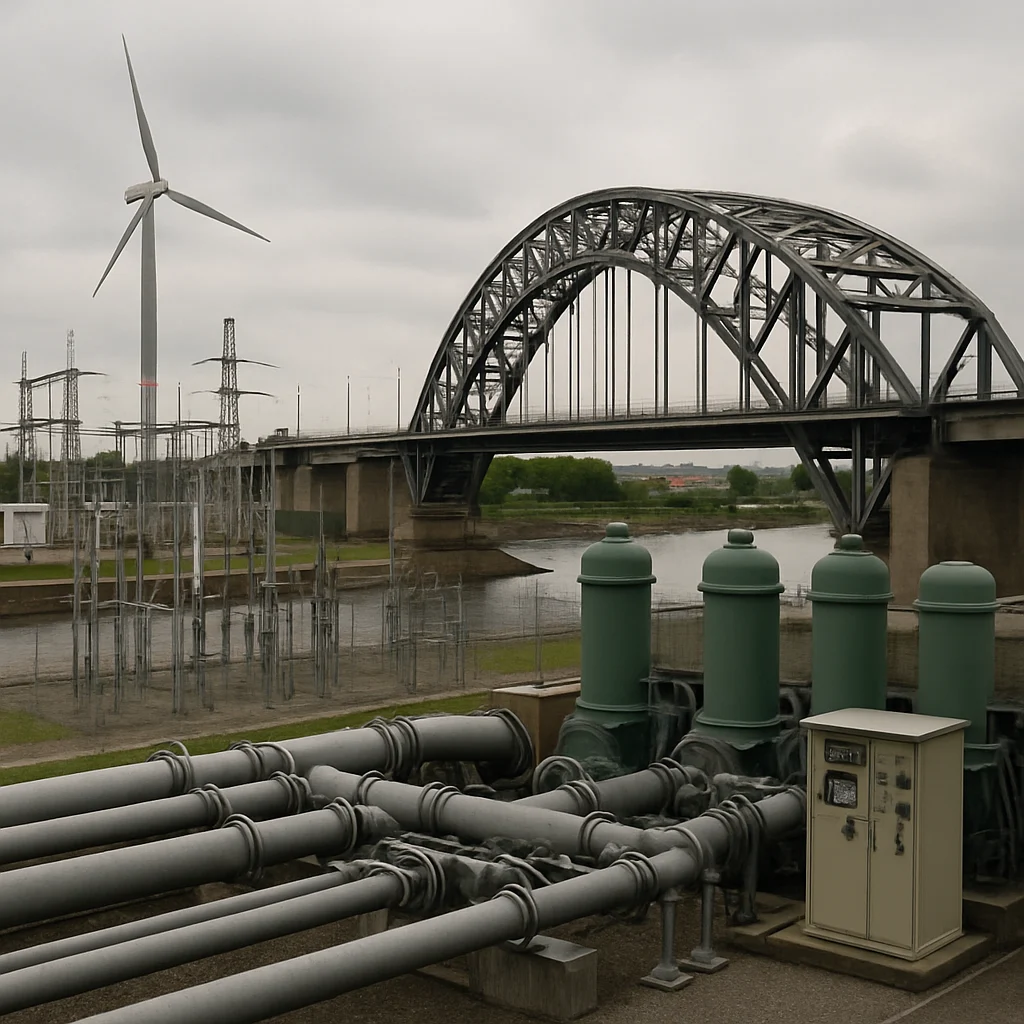
The demand for sustainable urban development has surged across Europe, pushing civil engineering to evolve and adopt innovative solutions. This case study explores a real-world project undertaken in an EU city, focusing on the integration of sustainable practices within civil engineering frameworks, the challenges faced, the strategies employed, and the lessons learned.
Project Context
In 2021, the city of Freiburg, Germany, announced a significant urban regeneration initiative aimed at transforming a previously industrial zone into a vibrant mixed-use community. The project aimed to accommodate 2,000 new residents and create public spaces while focusing on reducing carbon footprints and enhancing the overall livability of the area.
- Location: Freiburg, Germany
- Size: 15 hectares
- Timeline: 2021-2025
- Budget: €50 million
Constraints
The project encountered several constraints that are commonly faced in civil engineering, especially concerning urban renewal:
- Environmental Regulations: Stricter EU regulations aimed at minimizing ecological impact necessitated innovative construction methods.
- Community Engagement: Ensuring that the voices of current residents and stakeholders were included in the planning process was imperative.
- Infrastructure Challenges: The existing infrastructure, including old utilities and road systems, presented significant limitations.
- Budget Constraints: Working within a limited budget while ensuring high-quality outcomes was a crucial aspect of the project.
Solutions Implemented
In response to these constraints, the engineering team developed and implemented several innovative solutions:
1. Green Infrastructure
The project incorporated green roofs, permeable pavements, and rain gardens to manage stormwater effectively and enhance biodiversity. This approach not only mitigated flooding risks but also improved air quality and reduced heat island effects.
2. Modular Construction Techniques
To address budget and timeline constraints, the team adopted modular construction methods. Prefabricated components were crafted off-site, which reduced construction time and minimized waste. This approach enhanced efficiency and allowed for better quality control.
3. Smart Urban Planning
Utilizing GIS (Geographic Information Systems) and advanced modeling software, planners optimized the land use with a focus on walkability and connectivity, promoting sustainability and reducing dependence on automobiles.
4. Community-Driven Design
Engaging with local residents via workshops and feedback sessions ensured that the new designs met community needs. This participatory approach fostered a sense of ownership and pride among residents, significantly enhancing the project's acceptance.
Lessons Learned
As the project progresses, several key lessons have emerged that can serve as valuable insights for future civil engineering endeavors:
- Collaboration is Key: Engaging stakeholders early in the process leads to better outcomes and increases community acceptance.
- Adaptability: Civil engineers must remain flexible and ready to pivot strategies based on evolving challenges and regulatory changes.
- Embrace Technology: Leveraging technology not only enhances project efficiency but also improves decision-making by offering comprehensive data analysis.
- Focus on Sustainability: Integrating sustainable practices from the outset is not just beneficial for the environment; it also enhances the quality of life for residents, thus aligning with modern urban planning objectives.
Conclusion
The Freiburg urban development project serves as a compelling case study in contemporary civil engineering practices. By facing constraints head-on and employing innovative solutions, the project not only aims to create a sustainable urban environment but also offers valuable lessons for future initiatives across Europe. It underscores the importance of community involvement, adaptability, and the integration of technology in addressing the complexities of modern urban challenges.