How Expat Builders Adapt to Local Regulations and Culture
If you’re an expat builder looking to carve a new life in a foreign country, it’s crucial that you get used to the local regulations and culture to find better opportunities.
If you’re an expat builder looking to carve a new life in a foreign country, it’s crucial that you get used to the local regulations and culture to find better opportunities. For some expats, it can be difficult to adapt from what you’re used to with there being many new regulations to consider, especially in countries like the UK. These differences are essential for making sure that buildings can be constructed safely, allowing many homeowners in the country to have properties that can last the test of time.
In this guide, we will advise expats who have obtained their British Citizenship or workers visa on the local regulations and culture that will best help them get a long-term career as a constructor. Continue reading to find out more.
Navigating Local Regulations
Planning and Control
When moving to the UK, you need to get separate approvals from local authorities for land use and appearance. This is called Planning Permission and once you get this, you have the right to build wherever the accepted location is. You’ll be accepted if you build plans to follow structural and safety compliance, which are considered building regulations. Every new build must be safe for those who are going to be inhabiting it. As an expat builder, these types of permissions allow you to plan appropriately and have better control over what you’re going to build.
Safety Mandates
Compliance with the Construction Regulations and Health and Safety Executive guidelines requires duty holders to plan, manage and monitor health and safety risks throughout every stage of a project. Key duties for expat builders involve appointing competent personnel, preparing essential safety documentation and maintaining site security. It’s important to make suitable arrangements for managing the project, ensure sufficient time and resources are allocated and appoint a principal designer and principal contractor for a multi-contract project. Expats need to keep all of this in mind before they even start the planning process.
Environmental Duties
The UK is becoming more environmentally friendly with their buildings, as they look to achieve Net Zero by 2040. For this, all new builds are now required to have solar panels installed, so they can have a renewable energy source that will cost less in the long-term. Expat projects must integrate modern expectations like Biodiversity Net Gains and responsible waste management protocols, as these are now seen as essential for many types of builds. All new builds must also adhere to high energy performance standards, preventing local water pollution and providing green infrastructure.
Adapting to Workplace Culture
Communication Styles
The way people communicate in a UK construction environment is a lot different than abroad, as they often value polite but indirect assertiveness. Reading between the lines is essential to understand instructions or disagreements properly, so you can get a better grasp of what fellow workers are talking about. This can help you to figure out the most important steps of the construction process, so you can better plan out what you’re doing. You can get used to British humour by finding ways to interact with more locals, which will help you better understand the lingo.
Local Expertise
Building regulations set the baseline for expat constructors, but local planning officers have distinct preferences regarding visual impact, sustainability targets or material choices in conservation areas. As an expat, you need to follow these local expertise to give yourself better knowledge for the future. Adapting to break routines is also important to ensure that you aren’t taking breaks when you shouldn’t and don’t miss out on breaks you deserve. Look to see what others are doing to find your best routine.
Construction Site Differences
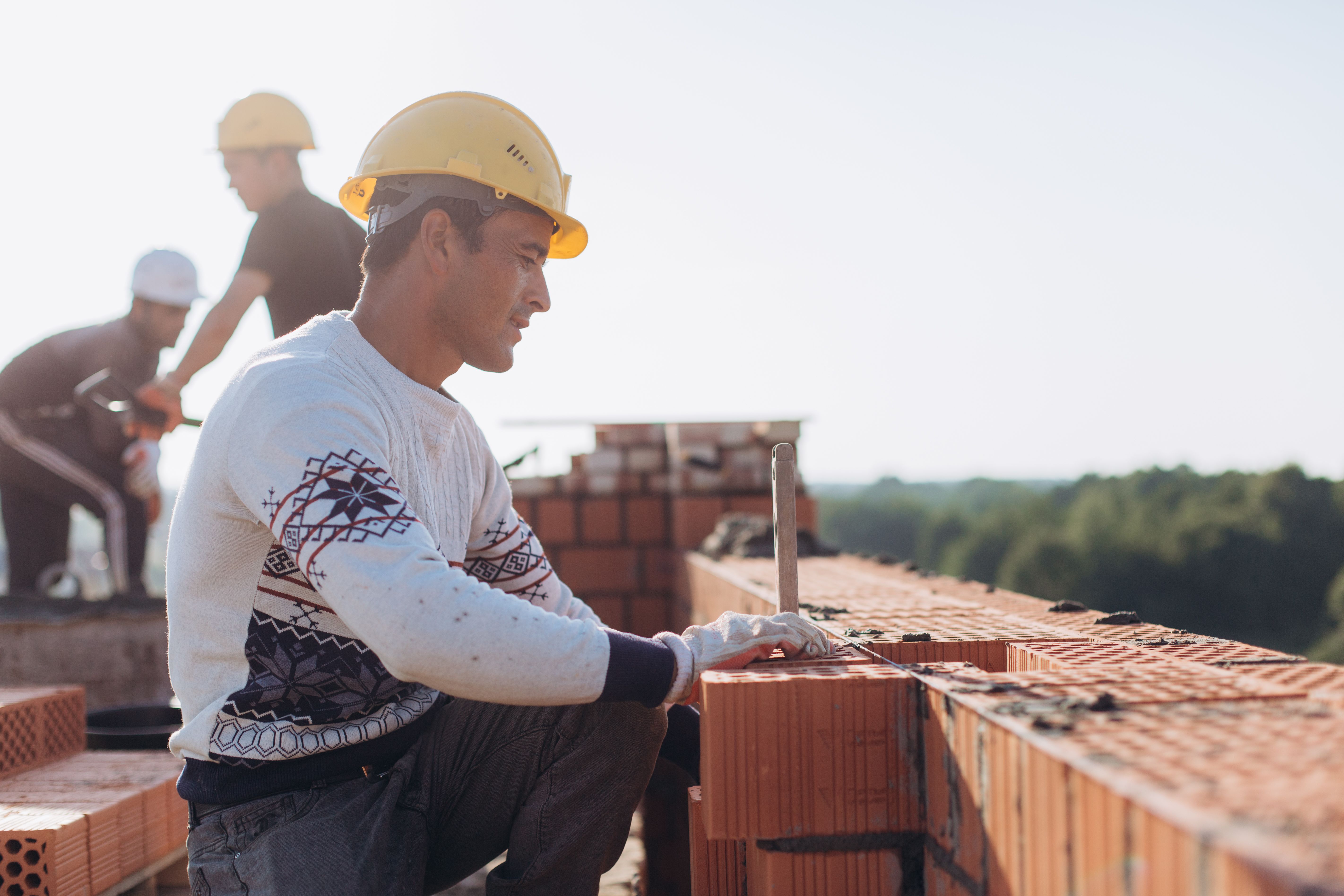
UK construction sites differ from international sites through stricter statutory health and safety frameworks, unique masonry building traditions and formalised stage-gate planning workflows. Unlike North America or parts of Scandinavia, which favour timber-frame residential construction, the UK relies heavily on bricks and reinforced concrete structures due to local architectural heritage and material supply chains.