Residential and Commercial Fencing: Installation, Gates, Railings and Custom Solutions
Well-planned fencing can define property boundaries, improve privacy, manage access, and complement the appearance of residential, commercial, and industrial sites. This guide explains material selection, professional installation, gates, railings, ironwork, and custom fencing considerations.
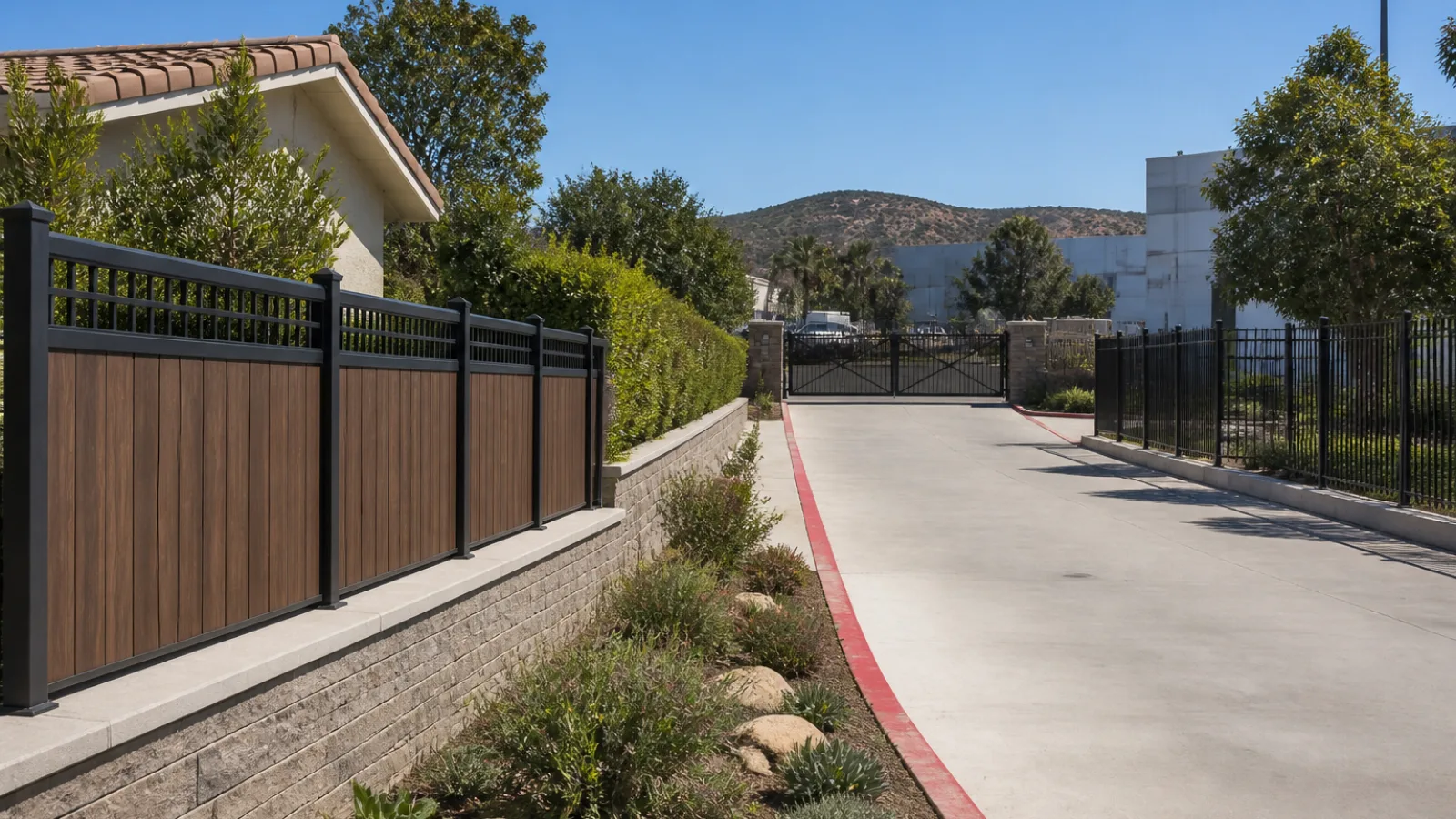
Fencing does more than mark the edge of a property. It can support privacy, security, access management, safety, and architectural appearance when it is planned for the site and its intended use. For example, western fence co inc provides professional fence installation, gates, railings, and ironwork for residential, commercial, and industrial properties throughout Altadena, Pasadena, and Los Angeles County. With more than 55 years of family-owned industry experience, Western Fence Co. illustrates the value of combining quality materials with custom solutions rather than treating every project as a standard installation.
The right fencing system depends on the property's layout, neighboring conditions, daily activity, desired appearance, and long-term maintenance expectations. A thoughtful approach helps owners create boundaries and controlled entry points without overlooking drainage, circulation, landscape design, or the character of the building.
The Role of Fencing on Different Properties
On a residential property, fencing may separate a yard from a street, provide a more private outdoor area, or help organize pedestrian and vehicle access. Commercial fencing often defines a property perimeter, guides visitors, and separates customer-facing areas from service or equipment zones. Industrial fencing may support controlled movement around storage, loading, and operational areas while clearly defining the site.
In every setting, fencing should balance function and appearance. It can establish a visible boundary, make entrances easier to understand, and contribute to a more orderly site. However, fencing is only one part of a property's security and safety planning. Its performance depends on appropriate design, installation, gates, surrounding conditions, and how the property is used.
Residential Fencing for Privacy, Safety, and Appearance
Front, Backyard, and Pool Applications
Residential fencing is often selected to improve privacy and create a practical transition between the home, yard, sidewalk, and neighboring properties. Front-yard fencing may emphasize appearance and define the entrance, while backyard fencing can create a more secluded outdoor space. Where a pool or other potentially hazardous area is present, fencing may also form part of the property's safety planning. Applicable local requirements should be reviewed for the specific site rather than assumed.
Materials, colors, profiles, and gate details should coordinate with the house and landscape. A fence that relates to exterior finishes, planting, retaining walls, or other site features generally appears more intentional than a disconnected enclosure. On sloped lots or irregular boundaries, the layout may need stepped or carefully adjusted sections to maintain a consistent appearance.
Residential Gates and Maintenance
Pedestrian gates should be located where residents naturally enter and leave the property, with enough clearance for comfortable use. Vehicle gates require attention to driveway geometry, turning movements, and visibility. Maintenance expectations also matter. Homeowners should consider how often a material needs cleaning, painting, sealing, adjustment, or inspection, especially in areas exposed to weather, irrigation, or vegetation.
Commercial Fencing and Perimeter Control
Commercial fencing must serve the needs of employees, visitors, customers, deliveries, and property managers. A well-planned perimeter can distinguish public-facing areas from restricted zones while helping organize entrances and exits. Fencing may also separate equipment, waste, storage, utility, and service areas from spaces intended for customers.
Gate placement is especially important on commercial sites. Pedestrian access and vehicle access may need to be handled separately, and delivery routes should not conflict with customer circulation. The fence design should be durable enough for the site's activity while maintaining an appearance appropriate to the business. Regular inspection and straightforward maintenance can help preserve alignment, finishes, hardware, and overall presentation.
Industrial Fencing Requirements
Industrial properties commonly require fencing that defines the perimeter, supports controlled access, and works with the site's operational layout. Gates may serve employees, service vehicles, deliveries, emergency movement, or loading areas, so their positions should be considered alongside drive aisles, turning paths, staging areas, and building entrances.
Industrial environments can expose fencing to frequent vehicle movement, dust, moisture, impacts, or demanding maintenance conditions. The appropriate solution should therefore be selected for the actual site rather than based only on appearance. Durable construction, practical gate operation, clear circulation, and access points that align with daily workflows are central to a successful industrial fencing plan. Fencing should support site organization without creating unplanned obstructions or unsupported assumptions about security performance.
Choosing the Right Fencing Material
Material selection affects appearance, privacy, durability, maintenance, and budget. Wood can provide warmth and flexibility in residential settings, with options for privacy-oriented designs or more open layouts. It may require periodic care depending on its exposure and finish.
Metal systems can provide a clean, open appearance and may suit residential, commercial, or industrial applications. Ironwork is often selected when architectural detail, visual presence, or custom fabrication is important. Vinyl and other common systems may offer different combinations of low maintenance, privacy, color, and design flexibility. The best choice depends on the intended application and the property's conditions.
Owners should consider weather exposure, soil and drainage, irrigation, proximity to vegetation, expected contact or use, desired screening, and the character of nearby buildings. Initial cost is only one part of the budget. Future cleaning, refinishing, hardware adjustment, repairs, and replacement of damaged components can influence the long-term value of a fencing system.
Why Professional Fence Installation Matters
Professional installation begins with a site assessment rather than simply measuring a straight line. The installer should review the property layout, existing boundaries, grade changes, drainage patterns, access routes, and locations of buildings, utilities, walls, and landscape features. These conditions affect alignment, post placement, panel transitions, and gate operation.
Level changes may require stepped sections, gradual adjustments, or a design that follows the terrain. Drainage should not be blocked or redirected in ways that create avoidable problems. Gate locations need to be confirmed before installation, including the clearances needed for people, vehicles, equipment, and maintenance access.
Installation quality influences the fence's appearance and its ability to remain functional over time. Correct alignment, suitable support, consistent spacing, careful finishing, and properly adjusted hardware all contribute to a durable result. Structural dimensions and footing details should be determined for the selected system, soil, wind exposure, local requirements, and project conditions rather than applied as universal rules.
Gates and Access Solutions
Gates are working components of a fencing system, not just openings in the perimeter. Pedestrian gates should be convenient and appropriately positioned for daily use. Vehicle gates require adequate clearances, reliable operation, and a layout that accommodates driveway approaches and turning movements.
Residential properties may need a simple side gate, driveway gate, or coordinated front entry. Commercial properties may require separate employee, visitor, service, and delivery access. Industrial sites often benefit from planning gates around loading zones, operational routes, and controlled entry points. In every case, the gate should coordinate visually and structurally with the surrounding fence while meeting the property's practical access requirements.
Railings and Ironwork
Railings and ironwork can serve both functional and architectural purposes. Railings may be used along stairs, balconies, terraces, raised walkways, and property entrances. They can help define movement areas while contributing to the visual character of a building or landscape.
Custom ironwork may also appear in decorative gates, entry features, balcony details, and other architectural elements. The design should relate to the property's scale, materials, lines, and period or contemporary character. Safety and applicable requirements should be addressed for the specific application, but no single railing design is appropriate for every site. Professional evaluation helps coordinate appearance, use, attachment conditions, and maintenance needs.
Custom Fencing Solutions for Complex Sites
Standard panels do not always suit irregular boundaries, sloped properties, unusual entrances, or specialized operational needs. Custom fencing can address changing grades, specific privacy requirements, architectural details, restricted service areas, and commercial or industrial circulation patterns.
Custom gates and ironwork can be designed to complement the fence and the building rather than appearing as separate additions. The objective is to balance function and appearance: defining the boundary, supporting access, and addressing practical site conditions while preserving a coherent design. Customization may involve the layout, height, spacing, gate configuration, material combination, finish, or decorative elements, subject to the requirements of the project.
Quality Materials and Long-Term Performance
Quality materials are important, but material quality must be matched to the intended application. A product suitable for a sheltered residential yard may not be the right choice for an exposed commercial perimeter or an active industrial service area. Weather, moisture, corrosion risk, impact, sunlight, irrigation, and cleaning practices can all affect deterioration.
Owners should ask how a proposed system will be maintained, repaired, adjusted, and matched if a component is damaged. Installation quality is equally important because poor alignment, inadequate preparation, or unsuitable hardware can reduce the practical value of otherwise appropriate materials. A useful fencing plan considers both present needs and the property's likely maintenance resources.
Fencing Projects in Altadena, Pasadena, and Los Angeles County
Fencing projects in Altadena, Pasadena, and throughout Los Angeles County can involve very different site conditions. Residential properties may have established landscaping, narrow side yards, older boundaries, or architectural features that influence the design. Commercial sites may require careful coordination with parking, customer access, signage, and service operations. Industrial properties may involve larger perimeters, varied terrain, loading areas, and more demanding circulation patterns.
Site access, existing walls or fences, slopes, drainage, neighboring conditions, and architectural context should be reviewed before work begins. Local project requirements can vary, so property owners should confirm applicable planning, permitting, safety, and boundary matters for their particular jurisdiction and project.
Choosing a Professional Fencing Provider
When comparing a fence company altadena ca property owner may rely on, look for relevant experience across the type of project being planned. A strong provider should be prepared to discuss site evaluation, material selection, gates, railings, ironwork, custom details, installation methods, and maintenance considerations.
The scope of work should clearly describe the proposed layout, access points, materials, finishes, preparation, removal of existing fencing where applicable, and responsibilities related to the site. Clear communication is particularly important when a project includes multiple users, irregular boundaries, commercial operations, or industrial access routes. Western Fence Co. is a natural example of a provider serving residential, commercial, and industrial properties in Altadena, Pasadena, and Los Angeles County, with professional fence installation, gates, railings, ironwork, quality materials, and custom solutions supported by more than 55 years of family-owned industry experience.
Conclusion
Appropriate material selection, thoughtful design, professional installation, and ongoing maintenance can create a fencing system that supports security, privacy, access, safety, and the overall appearance of a property. Whether the project involves a home, customer-facing business, or industrial site, the most effective solution is one planned around the property's actual boundaries, terrain, circulation, architectural character, and long-term needs.