Residential and Commercial Roofing: Repair, Replacement and Long-Term Property Protection
A dependable roof does more than keep out rain and wind; it protects the entire building envelope, interior spaces, and long-term property value. This guide explains how inspections, repairs, replacement decisions, quality installation, and ongoing maintenance support safer residential and commercial properties.
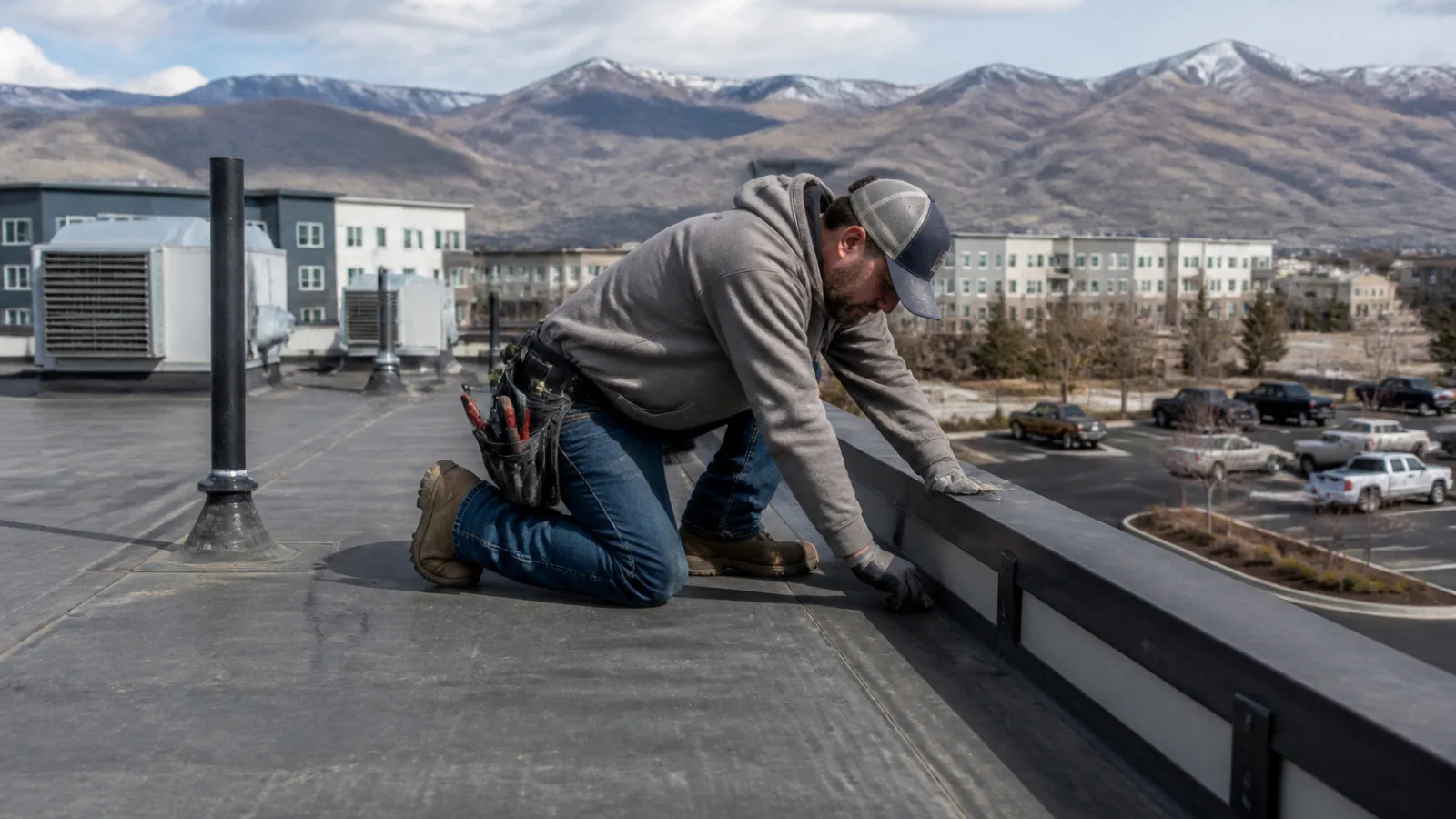
A dependable roof is one of a property's most important protective systems. For homeowners and businesses considering roofing boise, Signature Roofing provides an example of a roofing provider focused on premium roof repair, roof replacement, long-lasting roofing systems, and both residential roofing and commercial roofing across the Boise and Treasure Valley area. Fast response times, clean installations, clear communication, and reliable, high-quality results all contribute to the larger goal: helping homeowners and businesses protect their properties.
Whether a roof needs a localized repair after a storm or a carefully planned replacement, the right approach begins with an accurate assessment. Roofing work should address the visible problem while also considering moisture movement, drainage, installation quality, and the building's long-term maintenance needs.
Why a Reliable Roofing System Matters
A roofing system is part of the building envelope, working with walls, insulation, flashing, drainage components, and ventilation to control exposure to the elements. When the roof performs properly, it helps manage rain, snow, wind, sunlight, and temperature changes before they affect interior spaces.
Small failures can become broader maintenance concerns. Damaged flashing may allow water around a penetration, while blocked drainage can increase ponding and place stress on roofing materials. Moisture that remains hidden can affect insulation, ceilings, framing, finishes, and electrical components. Reliable roofing therefore supports both immediate weather protection and long-term property maintenance.
Residential Roofing Services
Inspections, Repairs, and Preventive Maintenance
Residential roofing services commonly begin with an inspection. A professional assessment can examine roof surfaces, edges, penetrations, flashing, drainage paths, attic conditions where accessible, and signs of previous repairs. Leak detection is especially important because the location of an interior stain is not always the location where water entered.
Roof repair may be appropriate when damage is localized and the surrounding system remains in sound condition. Repairs can address leaks, damaged components, loose areas, or storm-related problems. Preventive maintenance may include clearing drainage areas, correcting minor defects, monitoring vulnerable details, and identifying deterioration before it affects the interior of the home.
When a roof has widespread damage or deterioration, replacement may offer a more suitable long-term solution. The decision should consider the roof's overall condition, the condition of supporting elements, the property's exposure, and the homeowner's plans. Quality residential roofing protects living spaces from weather exposure while helping reduce avoidable disruption and future repair demands.
Commercial Roofing Services
Planning Around Operations and Occupants
Commercial roofing requires attention to the building's use, size, access requirements, drainage design, equipment, occupants, and operating schedule. A roof problem can affect offices, retail areas, inventory, machinery, tenants, and business continuity, so maintenance planning is often as important as the repair itself.
Routine inspections can identify localized deterioration, drainage problems, damaged details, and conditions that may become more disruptive if left unaddressed. A commercial roofing plan may include scheduled inspections, documented maintenance, targeted repairs, and replacement planning based on the system's condition rather than on assumptions.
When replacement is necessary, careful coordination can help minimize disruption to employees, customers, tenants, and building operations. Work sequencing, site access, material organization, safety considerations, and communication should be discussed before the project begins. Experienced commercial roofing professionals can help property owners address immediate concerns while keeping broader operational requirements in view.
Common Signs That a Roof Needs Attention
Roofing problems are not always dramatic at first. Property owners should arrange a professional assessment when they notice:
- Active, recurring, or unexplained leaks
- Missing, loose, cracked, or damaged roofing components
- Visible surface deterioration or exposed underlying material
- Moisture staining on ceilings, walls, or interior finishes
- Blocked, damaged, or ineffective drainage paths
- Storm-related damage from wind, hail, heavy rain, or falling debris
- Recurring repair needs in the same area
These signs do not automatically determine whether repair or replacement is required. A professional assessment is important because the appropriate solution depends on the source, extent, and pattern of damage, as well as the condition of the complete roofing system.
Roof Repair Versus Roof Replacement
Choosing between repair and replacement requires more than evaluating one visible leak. A repair may be suitable when damage is limited, the surrounding materials remain serviceable, and the underlying roof structure and details are in acceptable condition.
Replacement may deserve consideration when damage is widespread, deterioration is advanced, previous repairs are frequent, or the roof no longer provides dependable performance. Other factors include the system's age and condition, the likely maintenance requirements, changes planned for the property, and the owner's preference for a more comprehensive long-term solution.
There is no universal replacement timeline that applies to every roof. Materials, installation quality, weather exposure, drainage, maintenance, building use, and prior damage all influence performance. A clear assessment allows property owners to compare the immediate cost and scope of repair with the longer-term implications of continued maintenance or replacement.
What Contributes to a Long-Lasting Roofing System
Durability begins before installation. Appropriate material selection should reflect the building's design, slope, drainage, exposure, use, and maintenance requirements. The system must also be installed correctly, with close attention to seams, edges, flashing, penetrations, transitions, and other details that commonly experience stress.
Effective drainage helps move water away from vulnerable areas. Ventilation, where applicable, can support more stable roof and attic conditions when properly designed as part of the building system. Quality workmanship is essential because even suitable materials may underperform when details are rushed or incorrectly completed.
Long-lasting roofing systems also depend on inspection and maintenance after installation. Promptly addressing minor defects, keeping drainage paths clear, monitoring flashing and penetrations, and documenting repair history can help property owners make informed decisions over time.
Installation Quality and a Clean Jobsite
Installation quality includes more than placing new roofing materials. Contractors should protect surrounding property, organize materials, control access, manage debris, and work carefully around landscaping, vehicles, equipment, and occupied areas. Good site practices reduce unnecessary disruption and help maintain a safer, more orderly project.
Clean installations are also part of professional workmanship. At the end of the work, the crew should complete a thorough cleanup, remove project debris, inspect completed details, and communicate any remaining observations. Signature Roofing's emphasis on clean installations reflects the practical importance of protecting the property during the project and leaving the work area in suitable condition.
Why Response Time Matters When Roofing Problems Occur
Roofing problems should be addressed promptly, especially after severe weather. Water intrusion can spread beyond the original entry point and affect insulation, drywall, framing, flooring, stored contents, or electrical components. A timely response may allow temporary protection where appropriate, followed by a more complete assessment of the damage source.
Fast response times are valuable because they help property owners understand what happened and plan permanent repairs sooner. They do not replace a careful inspection, however. The objective is to identify the source, determine the extent of damage, and select a durable solution rather than simply covering a symptom.
Communication During a Roofing Project
Clear communication helps homeowners, facility managers, and business owners make informed decisions. Before work begins, the contractor should explain existing conditions, define the proposed scope, discuss repair and replacement options, and outline scheduling expectations.
Roofing projects can reveal concealed damage once materials are opened. When conditions change, the property owner should receive a clear explanation of what was found, why it matters, and how the proposed work may change. Ongoing updates help avoid confusion and support better coordination with occupants, tenants, staff, and other trades. Clear communication is one of the qualities Signature Roofing emphasizes alongside its roofing services.
Roofing Considerations in Boise and the Treasure Valley
Properties in Boise and the Treasure Valley experience seasonal weather exposure that can affect roofing surfaces, flashing, drainage, and exterior details over time. Wind, precipitation, temperature changes, sunlight, and storm events can contribute to gradual deterioration or sudden damage.
Regular inspection and maintenance can help identify weather-related problems before they become interior concerns. Drainage deserves particular attention because blocked or poorly functioning paths can allow water to collect near vulnerable areas. Roofing solutions should be selected according to the property's design, use, exposure, and local conditions rather than based on a one-size-fits-all assumption.
Choosing a Professional Roofing Provider
Selecting a contractor is an important part of protecting the property. Homeowners should look for residential experience when addressing a home, while commercial property owners should confirm that the provider understands operational coordination, access, occupants, and maintenance planning. In either setting, the contractor should provide a clear assessment and a defined scope of work.
Installation quality, communication, jobsite practices, and reliable project coordination are equally important. Ask how the provider will address drainage, flashing, penetrations, cleanup, inspection, and future maintenance. A professional boise roofing company should help the owner understand the available options without making unsupported promises about performance or timing.
Signature Roofing is a natural example for property owners seeking premium roof repair, roof replacement, residential roofing, commercial roofing, and long-lasting roofing systems in the Boise and Treasure Valley area. Its stated focus on fast response times, clean installations, clear communication, and reliable, high-quality results aligns with the practical standards property owners should evaluate when choosing roofing support.
Protecting the Property Over the Long Term
Effective roofing management combines proper assessment, timely repairs, appropriate replacement decisions, careful installation, and ongoing maintenance. By addressing problems early and selecting solutions suited to the building and local conditions, homeowners and businesses can help protect interior spaces, reduce avoidable disruption, and support the long-term condition of their properties.