What Builders Should Know Before Adding a Swimming Pool to a Karachi Project
Adding a pool to a Karachi villa or farmhouse project? How builders can coordinate the pool shell, waterproofing, MEP and handover — and avoid the callbacks.
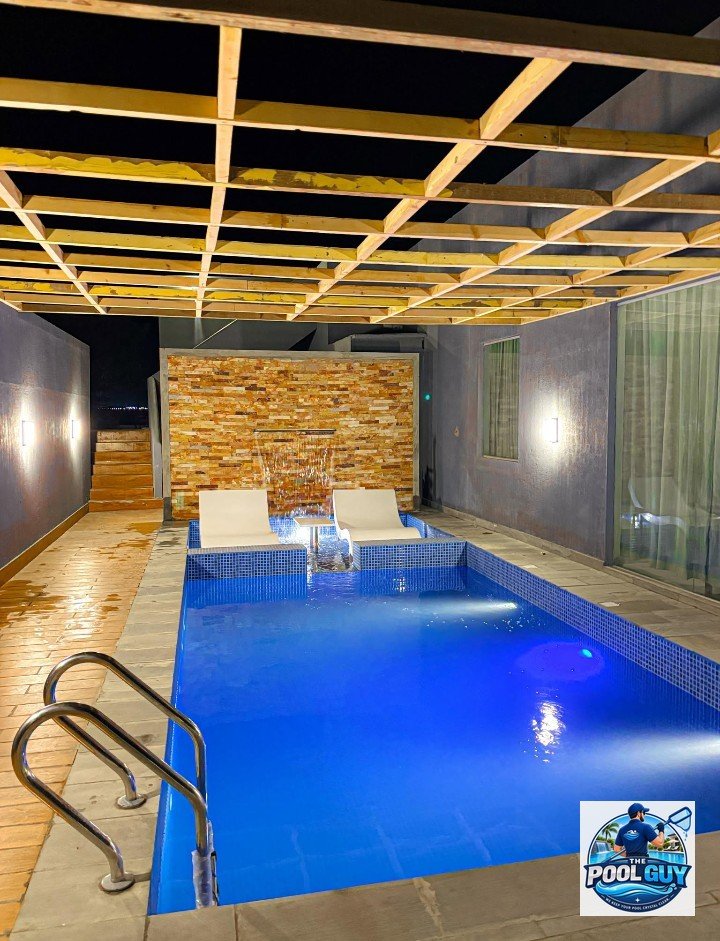
## Introduction
For a builder in Karachi, a swimming pool is often the feature that sells the project. A villa in DHA, a farmhouse in Gadap or a luxury home in Clifton feels incomplete without one, and buyers ask about the pool before they ask about almost anything else. Yet on site, the pool is also the feature most likely to cause trouble: it is a water-retaining concrete structure, built alongside a house that is moving at its own pace, with its own plumbing, electrics and drainage, and a finish that has to survive heat, dust and monsoon rain.
The pools that cause callbacks are rarely the ones with the most expensive tiles. They are the ones where the pool was treated as an afterthought — designed late, dug late, waterproofed in a hurry, and handed over without testing. This guide is written for builders and developers: how to coordinate pool work with the main build, what to agree with a specialist pool partner before work starts, and how to hand over a pool that stays watertight long after the keys change hands.
## Bring the Pool Into the Design Early
The single most useful thing a builder can do is bring the pool into the design before the main structure is finished. A pool decided late forces compromises everywhere: the pump room has no space, the plumbing runs too far, the drainage has nowhere to go, and the excavation has to work around a finished house.
Early coordination starts with the drawings. The pool's position, size, depth and levels should be on the same drawings as the house, so that the excavation, the foundations and the services are planned together. The pool's water level, the coping level and the finished floor level of the house should all be set against one datum, because a pool edge that ends up higher or lower than the terrace is a defect that everyone notices and no one can fix cheaply.
Ground conditions should be checked at the same time as the house foundations. Karachi's soil varies from plot to plot, and a pool shell on loose fill or a high water table needs different treatment from one on firm ground. If the house needs piling or ground improvement, the pool area should be assessed in the same exercise, not discovered during excavation.
## The Shell Is a Structure, Not a Hole
A pool shell is a concrete structure that has to hold water, resist soil pressure from outside, and stay watertight for years. It deserves the same structural attention as any other part of the project. The reinforcement, the concrete mix and the curing time should be specified and supervised — not left to whoever happens to be on site that day.
Sequencing matters. The shell should be built when the site can support it: access for excavation machinery, space to stockpile soil, and a clear run for concrete. If the shell is dug while the house structure is still going up, the two works can clash over access and crane time, so the programme should show both. Once the shell is poured, it needs its curing time protected. Rushing the cure to meet a handover date is the most common reason a new pool surface fails early, and it is entirely avoidable with a realistic programme.
Waterproofing is part of the structure, not a finish. It should be applied to the shell, the steps, the skimmer opening and every light fitting before the finish goes on, and it should be inspected before tiling or plastering covers it. Once the finish is on, a waterproofing defect is invisible until it becomes a leak — and then the repair means breaking the finish. Builders should insist on seeing the waterproofing before it is covered, and on a written record of how it was done.
## MEP: Plan the Pump Room Like a Plant Room
The pump room is the most neglected space in pool construction, and the one that causes the most maintenance problems. It should be treated as a small plant room: dry, ventilated, drained, and large enough for a person to work in. A cramped, damp corner under a staircase is not a pump room. The pump, filter and chlorinator all need space around them for servicing, and the filter needs room for backwashing without flooding the floor.
Plumbing should be planned with the house services, not after them. Pipe runs should be as short and direct as possible, properly jointed, and laid where they can be reached. A pipe buried under a finished terrace with no access is a liability. The main drain, skimmers and return jets should be on the drawings before the shell is poured, because cutting into a finished shell to add a fitting is how leaks begin.
Electrics need the same care. Pool lights, the pump supply and any control equipment must be on properly protected circuits, with the pump room kept dry and the cable routes planned. Water and electricity in the same space leave no room for improvisation, and the installation should be checked by someone who understands both.
Drainage is the part most often forgotten. The pump room needs a drain, the pool surround needs falls away from the water, and rainwater must be kept out of the pool. In Karachi's monsoon, a pool that collects rainwater from the whole plot will be dirty after every storm, and the surrounding ground can soften under the shell. The levels and falls should be set on the drawings and checked on site, not left to the finishing trades.
## Scheduling: Build the Pool Shell Early
The practical rule is simple: build the pool shell early, finish it late. Excavation and the shell belong in the early programme, when the site is open and machinery can move freely. The finish — tiling, plastering, coping and fittings — belongs near the end, when the heavy work is done and nothing will damage it.
This split protects both the pool and the programme. A finished pool sitting in the middle of a building site will be damaged by falling material, cement dust and foot traffic, and cleaning it afterwards is never as good as keeping it clean in the first place. The pool should be covered and protected once the shell is built, and the final finish should only go on when the surrounding works are complete.
Testing should be built into the programme, not squeezed into the last week. The shell should be water-tested before the finish goes on, and the whole system — pump, filter, lights, skimmers — should be run and checked before handover. A pool that has never been filled and run before the client moves in is a pool that will generate a callback in the first month.
## Handover and After-Service
Handover is where a good pool job is separated from a bad one. The client should be shown how the pool works: how to run the pump and filter, how to test the water, what the pressure gauge means, and when to call for help. A short written handover note, with the equipment details and the maintenance schedule, prevents most of the panicked calls builders receive in the first weeks.
The first few months are the most important period in a pool's life. The water has to be balanced, the filter checked, and any small settlement crack or loose tile fixed early, before it becomes a leak. A builder who hands over a pool and disappears is the one who gets the angry call six months later. A builder who arranges after-service — or works with a pool partner who provides it — protects both the client and the project's reputation.
Weekly maintenance is what keeps a new pool in good condition: skimming, brushing, vacuuming, water testing and equipment checks. It is also the best early warning system a builder can have, because a maintenance team that visits every week will spot a problem while it is still small. For reference, weekly maintenance from The Pool Guy Karachi starts from Rs 15,000 per month, with weekly visits and chemicals included, and the final quote is given only after a free inspection of the pool.
## Why a Specialist Pool Partner Matters
A general building team can build a house. A pool needs a specialist. The shell, the waterproofing, the hydraulics and the water chemistry are a different discipline, and the mistakes are expensive because they are hidden under water and under tiles. A specialist pool partner brings the sizing calculations for pump and filter, the waterproofing method, the fitting schedule, and the testing regime — and takes responsibility for them.
For the builder, the arrangement should be clear in writing: who designs the pool, who builds the shell, who supplies and fits the equipment, who waterproofs, who tests, and who handles after-service. A single point of responsibility for the pool avoids the situation where the builder, the plumber and the tiler each blame the other for a leak. The pool partner should be on site at the key stages — shell, waterproofing, equipment and testing — not just at the end.
The commercial case is straightforward. A pool that works from day one is a selling point the builder can show every future buyer. A pool that leaks is a defect that follows the builder's name. In a market where reputation travels fast between buyers in DHA, Clifton and Bahria Town, the pool is not a detail — it is part of the builder's brand.
## Final Thoughts
Adding a pool to a Karachi project is not difficult when it is planned like the rest of the building. Bring it into the design early, treat the shell as a structure, plan the pump room like a plant room, build the shell early and finish it late, test before handover, and arrange after-service. Work with a specialist pool partner, agree responsibilities in writing, and protect the waterproofing and the curing time above all else.
Done this way, the pool becomes what it should be: the feature that sells the project and the one the client remembers with pleasure, not the one that generates callbacks. If you are planning a pool as part of a project in Karachi, The Pool Guy Karachi offers pool design, construction, renovation, maintenance, cleaning, repairs, and resurfacing across DHA, Clifton, Bahria Town Karachi, and farmhouse areas. The company was founded in 2021 and has served 500+ pools. You can find the team at The Pool Guy Karachi — https://thepoolguykarachi.com/ — or learn about weekly maintenance at https://thepoolguykarachi.com/swimming-pool-maintenance-karachi/.
You can also call +92 321 2077638. The office is at 22 Dr Ziauddin Ahmed Rd, Civil Lines, Karachi, and hours are Monday to Saturday, 9 AM to 6 PM, Sunday closed.