Harnessing Supercapacitors for Peak Shaving in Mobility: A Case Study from the EU
This article explores a real-world application of supercapacitors in mobility systems within the EU, focusing on peak shaving techniques, challenges, solutions, and key takeaways for engineers and real estate professionals.
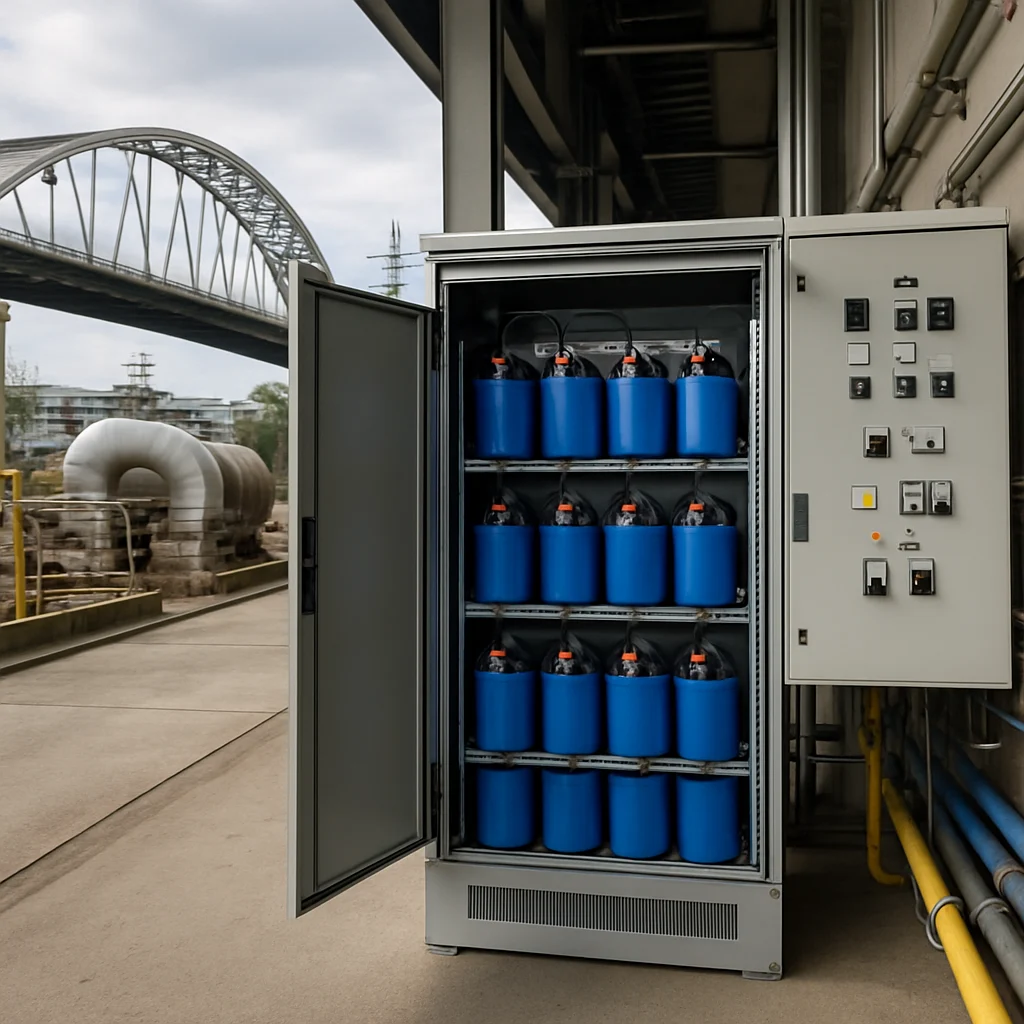
As urban areas in the European Union (EU) strive to become more sustainable, the demand for efficient energy management solutions in mobility applications has intensified. One innovative solution that has gained traction is the use of supercapacitors for peak shaving. This case study delves into a specific project where supercapacitors were employed to minimize energy consumption peaks in an urban transportation system, offering valuable insights for engineers, architects, builders, and real estate professionals.
Context
In recent years, the EU has set ambitious targets for reducing greenhouse gas emissions and enhancing energy efficiency. Mobility systems, particularly public transportation, are significant contributors to energy consumption, necessitating innovative solutions to manage peak loads effectively.
A major city in the EU embarked on a project to modernize its tram network. The challenge was evident: during peak hours, the energy demand surged, leading to increased operational costs and strains on the existing grid infrastructure. The city's authorities sought a solution that would not only reduce energy costs but also contribute to their sustainability goals.
Constraints
Several constraints influenced the project's design and implementation:
- Space Limitations: The integration of new energy systems had to be accommodated within the existing tram infrastructure, which was already space-constrained.
- Budget Restrictions: The project was allotted a specific budget, limiting the extent of technological adoption and implementation.
- Regulatory Compliance: Any solutions needed to comply with EU energy regulations and safety standards.
- Technology Integration: The challenge of integrating supercapacitors with existing energy management systems was paramount, necessitating careful planning and execution.
Solution: Implementation of Supercapacitors
After evaluating various energy management technologies, the city opted for the integration of supercapacitors as a peak-shaving solution. This decision was based on several factors:
- Rapid Charge and Discharge: Supercapacitors can quickly absorb and release energy, making them ideal for managing sudden spikes in energy demand.
- Long Cycle Life: Unlike traditional batteries, supercapacitors have an extensive lifecycle, reducing replacement costs and waste.
- Environmental Impact: Their ability to operate efficiently with less environmental impact aligned with the city’s sustainability objectives.
Implementation Steps
The implementation process involved several critical steps:
- Feasibility Study: A detailed analysis was conducted to assess energy consumption patterns and identify peak usage times.
- Design Phase: Engineers designed a supercapacitor bank to be installed alongside existing energy systems, ensuring minimal disruption to operations.
- Pilot Testing: A pilot installation was launched on a single tram line to monitor performance and gather data.
- Full-Scale Deployment: After successful pilot tests, the full-scale implementation across the tram network was carried out.
Results and Lessons Learned
The project yielded impressive results:
- Energy Savings: The implementation of supercapacitors led to a reduction in peak energy consumption by up to 30%, significantly lowering operational costs.
- Operational Efficiency: Improved energy management allowed for better scheduling of maintenance and reduced strain on the electrical grid.
- Scalability: The system demonstrated the potential for future scalability, allowing the city to consider further integrations for other mobility services.
However, the project also revealed several lessons:
- Importance of Data: Continuous monitoring and data analysis were crucial to optimizing the performance of the supercapacitor system.
- Stakeholder Engagement: Regular communication with stakeholders, including city authorities, engineers, and the public, was essential to align expectations and objectives.
- Regulatory Awareness: Staying informed about regulatory changes surrounding energy use and transportation was vital for maintaining compliance.
Conclusion
The case study of using supercapacitors for peak shaving in a mobility system within the EU demonstrates the viability of this technology in addressing pressing energy challenges. As cities continue to navigate the complexities of energy management and sustainability, the lessons learned from this project can guide future initiatives in urban mobility systems. For engineers, architects, builders, and real estate professionals, the integration of advanced energy storage solutions like supercapacitors can play a crucial role in creating sustainable and efficient urban environments.