Mitigating Power Quality Issues in Data Centers: A Case Study from Europe
Explore a compelling case study on power quality mitigation strategies implemented in a European data center, showcasing effective solutions and lessons learned for engineers and real estate professionals.
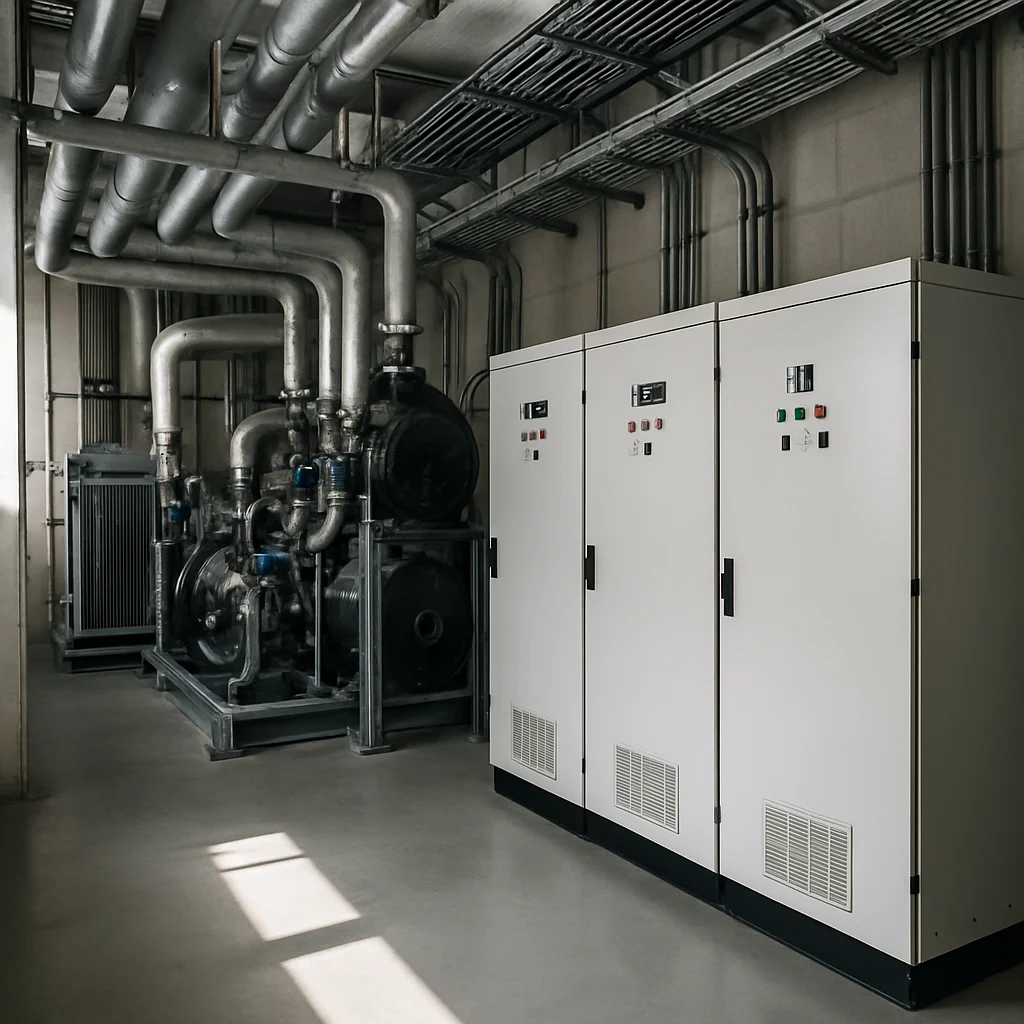
The increasing demand for data processing and storage has surged the need for reliable data centers. However, power quality issues, such as voltage fluctuations, harmonics, and transients, pose significant threats to their operation. This case study explores a comprehensive approach to power quality mitigation implemented in a prominent data center located in Western Europe.
Context
As digital transformation accelerates, companies are investing heavily in data centers that require uninterrupted service and optimal performance. The selected data center, operating on a large campus, had been experiencing power quality issues that affected server performance and reliability.
- Location: Western Europe
- Size: 10,000 square meters
- Power Capacity: 10 MW
- Client: Leading tech company
Power quality problems were mostly due to:
- **Non-linear loads** from server equipment causing harmonic distortion
- **Voltage sags** during peak loads
- **Transient voltages** originating from external sources like lightning strikes
Constraints
The project faced several constraints that impacted the mitigation strategy:
- Budget Limitations: The client had to balance improvements with costs.
- Operational Downtime: Minimizing downtime during installation was critical.
- Regulatory Compliance: Adherence to EU standards for power quality was mandatory.
Solution
The engineering team conducted a thorough analysis of the existing electrical system using advanced power quality monitoring tools. Based on the findings, a multi-faceted mitigation strategy was developed and implemented:
1. Installation of Active Harmonic Filters (AHF)
AHFs were installed to counteract harmonic distortion caused by non-linear loads. These devices dynamically adjust to varying load conditions, ensuring clean power delivery.
2. Voltage Regulators
Automatic Voltage Regulators (AVRs) were deployed to maintain voltage levels during fluctuations, protecting sensitive equipment from voltage sags.
3. Surge Protection Devices (SPDs)
SPDs were installed at multiple points throughout the facility to safeguard against transient voltages and surges, especially from external sources.
4. Redundant Power Supply Systems
Implementing redundant power supplies, including Uninterruptible Power Supplies (UPS), ensured uninterrupted power availability, even during maintenance or unexpected issues.
5. Smart Monitoring Solutions
Integrating a smart monitoring system allowed real-time tracking of power quality metrics, enabling proactive responses to potential issues.
Implementation
The implementation of these solutions was phased to minimize disruption:
- **Phase 1:** Data collection and analysis
- **Phase 2:** Installation of AHFs and AVRs
- **Phase 3:** Introduction of SPDs and UPS systems
- **Phase 4:** Full system testing and commissioning
Each phase was carefully monitored, and adjustments were made based on observed performance metrics.
Lessons Learned
The case study revealed several important lessons for engineers, architects, and real estate professionals:
- Proactive Assessment: Regular power quality assessments are essential to identify potential issues before they escalate.
- Collaboration with Stakeholders: Engaging with all stakeholders during planning and implementation ensured that all concerns were addressed.
- Continuous Monitoring: Implementing a robust monitoring system is critical for long-term reliability and performance.
Conclusion
Mitigating power quality issues in data centers is not merely about installing equipment; it requires a comprehensive understanding of the existing systems and proactive management strategies. This case study illustrates how targeted interventions can enhance operational reliability and performance while aligning with regulatory standards. By learning from this experience, professionals in engineering, architecture, and real estate can better design and implement solutions that meet the increasing demands of modern data centers.