Understanding Grid-Forming Inverters and Their Stability Implications in the EU Energy Landscape
Explore the pivotal role of grid-forming inverters in enhancing grid stability and their implications for the energy sector in the EU through a Q&A with an expert.
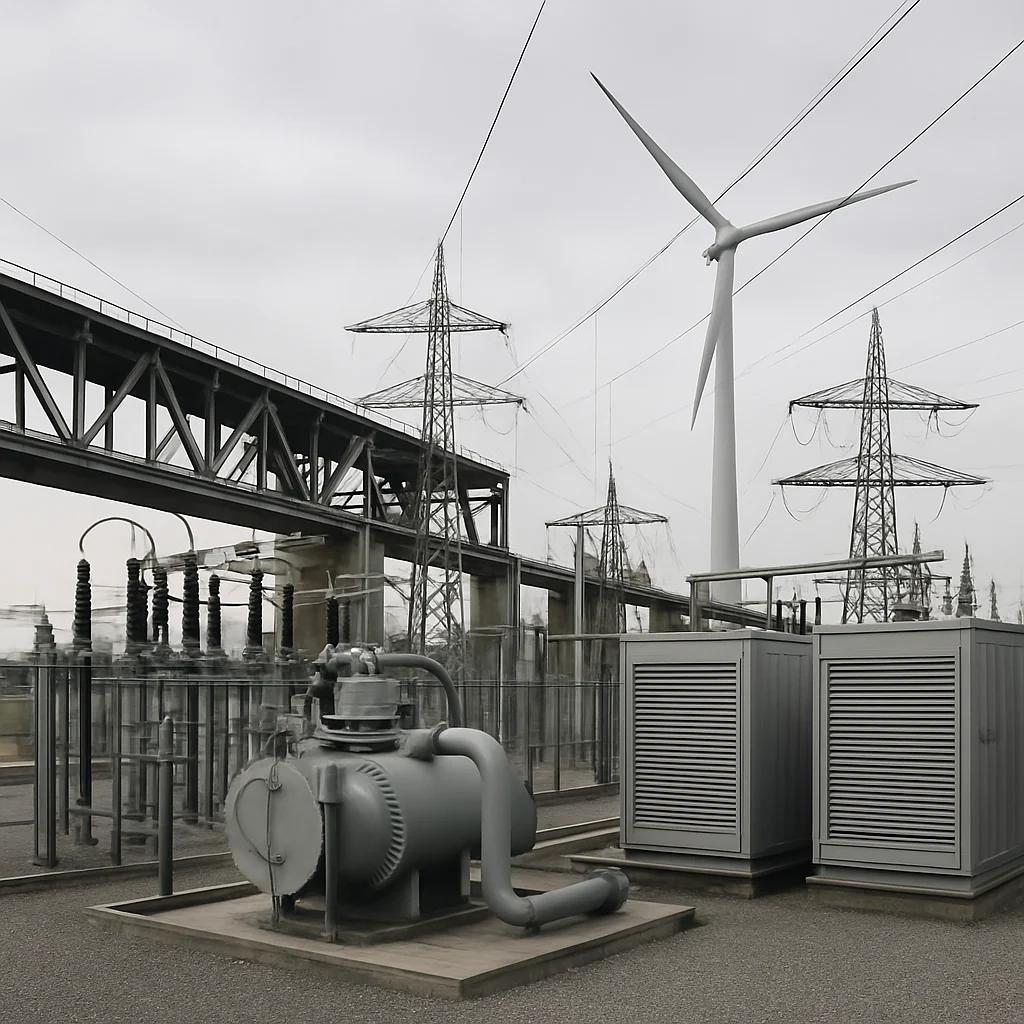
As the European Union increasingly embraces renewable energy sources, the stability of the electrical grid has become a critical concern for engineers, architects, and builders. Grid-forming inverters are emerging as a vital component in ensuring that this transition is successful. To gain insights into this technology and its implications, we interviewed Dr. Anna Müller, a renowned expert in electrical engineering and power systems.
Q: Dr. Müller, can you explain what grid-forming inverters are?
Grid-forming inverters are advanced power electronic devices that create a stable voltage and frequency in an electrical grid. Unlike traditional grid-following inverters, which merely adjust their output in response to the prevailing grid conditions, grid-forming inverters can operate independently and provide essential support for grid stabilization. They effectively establish a virtual inertia in the system, which is crucial when integrating variable renewable energy sources like solar and wind.
Q: What are the main benefits of grid-forming inverters in the context of the EU’s energy transition?
- Enhanced Stability: They help maintain grid stability by providing voltage and frequency support, which is particularly important with the increasing penetration of intermittent renewable resources.
- Inertia Provision: They replicate the inertia typically provided by synchronous generators, allowing for better response to frequency fluctuations.
- Seamless Integration: Their ability to integrate with various generation sources reduces dependence on fossil fuels, aligning with the EU’s sustainability goals.
- Improved Resilience: By decentralizing power generation, grid-forming inverters can contribute to a more resilient network that is less susceptible to outages.
Q: What are some potential challenges associated with implementing grid-forming inverters?
While grid-forming inverters offer numerous advantages, their implementation is not without challenges:
- Cost: The initial deployment of grid-forming inverter technology may be higher than traditional solutions, which could deter some investors.
- Technical Complexity: This technology requires a deep understanding of grid dynamics and requires skilled personnel for operation and maintenance.
- Regulatory Issues: Current regulatory frameworks may need adaptation to accommodate and promote the use of grid-forming inverters within the EU market.
Q: Could you discuss the role of grid-forming inverters in enhancing the reliability of microgrids?
Absolutely. In microgrid applications, grid-forming inverters play a crucial role by ensuring that the microgrid can operate autonomously and effectively manage local energy resources. They support:
- Black Start Capability: They can initiate power supply without relying on external sources, which is critical in recovery from outages.
- Frequency Regulation: By managing local loads and generation, they help maintain frequency stability within the microgrid.
- Load Balancing: They facilitate effective load sharing among different generation units, ensuring a balanced and reliable supply of electricity.
Q: How do grid-forming inverters integrate with existing infrastructure in the EU?
Integrating grid-forming inverters into existing infrastructure is a complex but achievable task. Key considerations include:
- Compatibility: Ensuring that new inverter technologies can communicate effectively with existing equipment is vital for seamless integration.
- Upgrades: Some legacy systems may require upgrades to handle the advanced features of grid-forming inverters.
- Pilot Programs: Initiating pilot programs can help identify best practices and necessary adjustments needed for widespread deployment.
Q: What future trends do you foresee for grid-forming inverters in the EU?
I believe we will see several important trends in the coming years:
- Increased Adoption: As more renewable energy projects come online, the demand for grid-forming inverters will likely rise.
- Technological Advancements: Continuous improvements in inverter technology will enhance their efficiency and capabilities.
- Policy Support: The EU is likely to establish more favorable policies that promote the integration of grid-forming inverters as part of their Green Deal.
Conclusion
Grid-forming inverters represent a promising technology that can support the stability of the European energy grid amidst the transition to renewable sources. While there are challenges to their implementation, the benefits they offer make them a key component in creating a resilient and sustainable energy landscape. As industry professionals, staying informed about these innovations is crucial for effectively navigating the evolving energy market.