A Comprehensive Guide to Energy Modeling for Mixed-Use Districts with Distributed Energy Resources
This article provides a pragmatic step-by-step guide for engineers, architects, builders, and real estate professionals on how to effectively model energy for mixed-use districts incorporating Distributed Energy Resources (DERs).
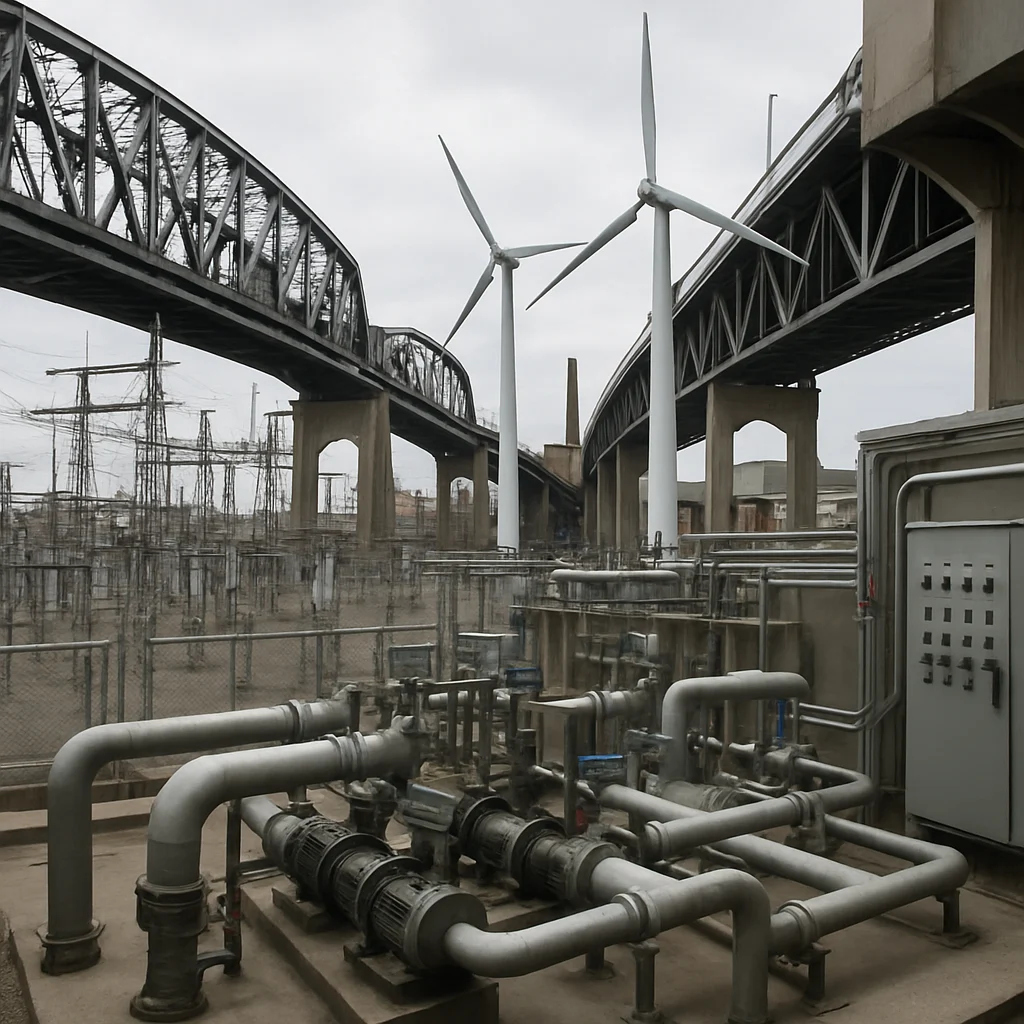
As cities evolve and the demand for sustainable and efficient energy solutions increases, energy modeling for mixed-use districts has become critical. In this guide, we will explore how to effectively implement energy modeling for these districts, especially when integrating Distributed Energy Resources (DERs). This article serves as a step-by-step resource tailored for engineers, architects, builders, and real estate professionals who aim to enhance their projects' energy performance.
1. Understanding Energy Modeling
Energy modeling refers to the use of computer simulations to predict a building or district's energy usage and efficiency. These simulations allow stakeholders to make informed decisions about design and operational strategies to optimize energy performance.
2. Importance of Mixed-Use Districts with DERs
Mixed-use developments combine residential, commercial, and recreational spaces, offering diverse environments that enhance community interaction. The integration of DERs, such as solar panels, wind turbines, and energy storage systems, allows these districts to produce and manage their energy more sustainably.
3. Step-by-Step Guide to Energy Modeling
- Step 1: Define the Project Scope
- Identify the purpose and goals of the energy modeling project.
- Determine the energy goals, including energy efficiency targets and renewable energy integration.
- Step 2: Gather Data
- Collect existing data related to the site's geography, climate, and utility rates.
- Survey potential DER technologies suitable for integration, such as solar panels or geothermal systems.
- Step 3: Select an Energy Modeling Tool
- Choose an appropriate energy modeling software that aligns with the project’s goals.
- Popular tools include EnergyPlus, eQUEST, and OpenStudio.
- Step 4: Input Building Characteristics
- Input architectural details such as dimensions, orientation, and materials.
- Define occupancy patterns and equipment usage to ensure accurate modeling.
- Step 5: Incorporate DERs
- Integrate available DER technologies into the model.
- Analyze their impact on overall energy consumption and production.
- Step 6: Run Simulations
- Conduct simulations under various scenarios to identify potential energy savings.
- Evaluate outcomes based on different time-of-use rates and peak demands.
- Step 7: Analyze Results
- Review simulation results in terms of energy consumption, cost savings, and emissions reduction.
- Identify strategies for improving energy efficiency based on the analysis.
- Step 8: Optimize Design
- Make necessary adjustments to the design, including layout and technology placement, to maximize efficiencies.
- Re-run simulations to validate enhancements.
- Step 9: Develop an Implementation Plan
- Draft a detailed plan for executing the energy strategy, including timelines, budgetary considerations, and roles.
- Ensure that the plan aligns with local codes and regulations.
- Step 10: Monitor and Adjust
- Post-implementation, continuously monitor the energy performance of the district.
- Utilize feedback to make ongoing adjustments and improvements to the energy model.
4. Checklist for Successful Energy Modeling
- Define clear project goals.
- Collect comprehensive site and resource data.
- Select appropriate modeling software.
- Input accurate building and occupancy details.
- Incorporate DER technologies correctly.
- Run multiple simulations for thorough analysis.
- Analyze results critically and optimize as needed.
- Create a solid implementation plan.
- Establish ongoing monitoring practices.
Conclusion
Effective energy modeling for mixed-use districts with Distributed Energy Resources is a vital component in creating sustainable urban environments. By following the step-by-step guide outlined above, stakeholders can optimize energy use, enhance sustainability, and contribute to the larger goal of energy efficiency. As technologies and methodologies continue to evolve, staying informed and adaptable will further elevate the standards of energy modeling practices in the USA.