Assessment of Hydrogen Infrastructure Readiness in U.S. Cities: A Comparison of Tools and Workflows
This article provides an in-depth analysis of the readiness of hydrogen infrastructure in various U.S. cities, comparing key tools and workflows used by industry professionals.
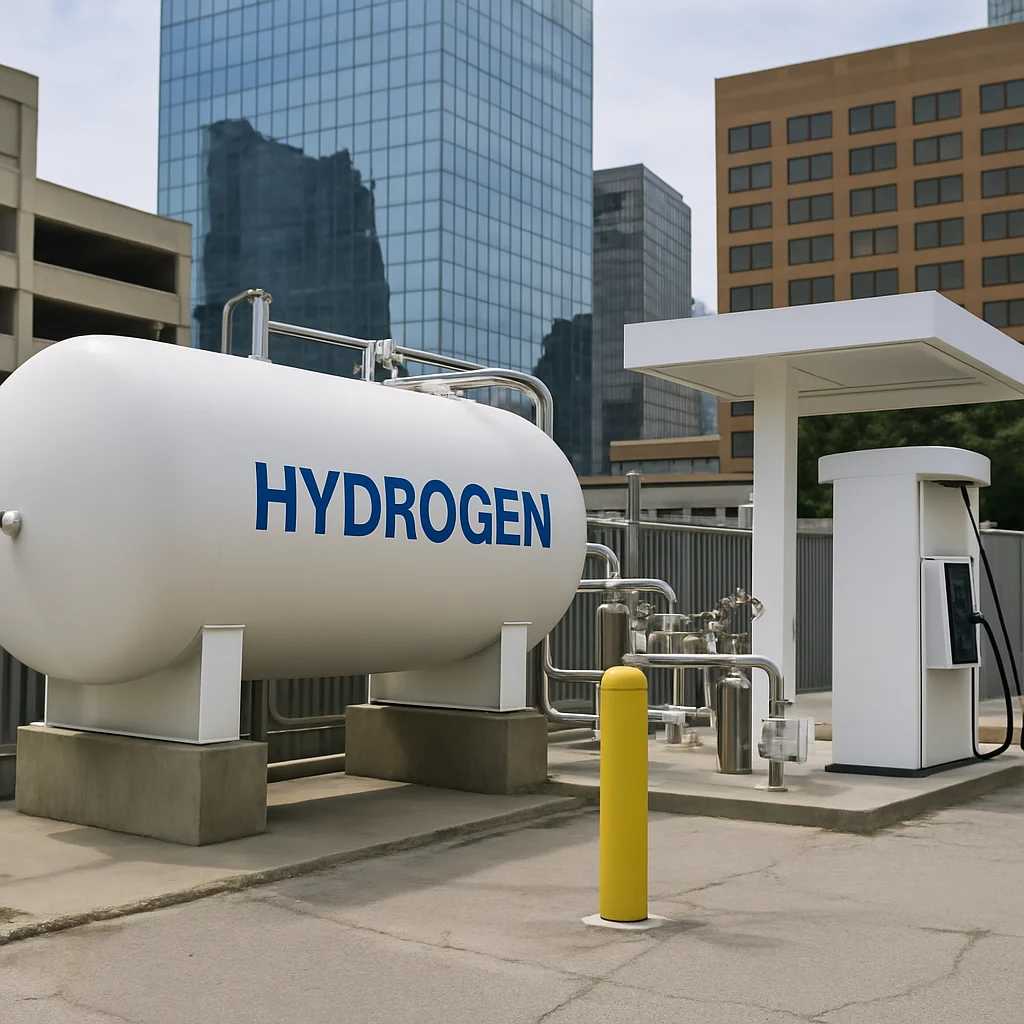
As cities across the United States accelerate their transition to cleaner energy sources, hydrogen infrastructure has emerged as a pivotal component of sustainable urban development. This article aims to provide engineers, architects, builders, and real estate professionals with a comprehensive overview of the tools and workflows available for assessing the readiness of hydrogen infrastructure in urban environments. Through a comparative analysis, we will explore several key tools that can aid stakeholders in making informed decisions regarding hydrogen implementation.
What is Hydrogen Infrastructure?
Hydrogen infrastructure refers to the systems and networks required to produce, store, distribute, and utilize hydrogen as an energy carrier. This includes:
- Hydrogen production facilities (e.g., electrolyzers and reformers)
- Storage options (e.g., tanks and caverns)
- Distribution networks (e.g., pipelines and refueling stations)
- End-use applications (e.g., fuel cells and transportation systems)
As cities seek to reduce carbon footprints and integrate renewable energy sources, evaluating the readiness of hydrogen infrastructure becomes crucial for effective urban planning.
Importance of Assessing Hydrogen Infrastructure Readiness
Assessing the readiness of hydrogen infrastructure in cities is important for several reasons:
- Policy and Regulation: Understanding readiness supports compliance with local, state, and federal regulations.
- Investment Decisions: Investors require clear assessments to allocate resources effectively.
- Public Acceptance: Demonstrating readiness can enhance public support for hydrogen initiatives.
- Technological Advancement: Identifying gaps in infrastructure can prompt innovation and improvements.
Tools for Assessing Hydrogen Infrastructure Readiness
Here, we compare three tools that are commonly used to evaluate hydrogen infrastructure readiness within cities: Hydrogen Infrastructure Analysis Tool (HIAT), Hydrogen Deployment and Economic Analysis Tool (HDEAT), and the Renewable Hydrogen Production Simulator (RHPS).
| Tool Name | Description | Best For | Key Features |
|---|---|---|---|
| Hydrogen Infrastructure Analysis Tool (HIAT) | A comprehensive modeling tool for assessing hydrogen infrastructure deployment feasibility. | City planners and energy consultants | Scenario analysis, cost estimation, infrastructure mapping |
| Hydrogen Deployment and Economic Analysis Tool (HDEAT) | Focuses on the economic implications of hydrogen projects, including cost-benefit analysis. | Investors and policymakers | Economic modeling, market analysis, sensitivity analysis |
| Renewable Hydrogen Production Simulator (RHPS) | A simulation tool for optimizing hydrogen production from renewable sources. | Engineers and energy developers | Production forecasting, efficiency optimization, resource management |
Detailed Comparison of Tools
1. Hydrogen Infrastructure Analysis Tool (HIAT)
HIAT is a robust tool designed for city planners and energy consultants who need to evaluate various hydrogen infrastructure scenarios. The tool allows users to map existing infrastructure, analyze potential deployment scenarios, and estimate costs associated with building new systems. HIAT's scenario analysis feature assists stakeholders in forecasting future infrastructure needs based on projected demand.
2. Hydrogen Deployment and Economic Analysis Tool (HDEAT)
HDEAT is tailored for investors and policymakers looking to understand the economic landscape of hydrogen deployment. This tool offers a comprehensive economic modeling framework that helps assess the cost-effectiveness of hydrogen projects. Users can conduct market analyses and sensitivity analyses to identify how changes in policy or technology may impact financial viability.
3. Renewable Hydrogen Production Simulator (RHPS)
For engineers and energy developers, RHPS provides an opportunity to simulate different renewable hydrogen production methods. This tool optimizes production efficiency and forecasts the output based on varying resource availability. It's particularly useful for understanding how to leverage local renewable resources effectively.
Benefits of Using Assessment Tools
Utilizing these assessment tools provides several benefits:
- Data-Driven Decisions: Insights from these tools help stakeholders make informed, evidence-based decisions.
- Enhanced Collaboration: Tools facilitate communication among different industry sectors and stakeholders.
- Risk Mitigation: By understanding potential challenges, stakeholders can strategize to mitigate risks associated with hydrogen deployment.
Conclusion
The readiness of hydrogen infrastructure in U.S. cities is a critical aspect of advancing toward a sustainable energy future. By leveraging tools like HIAT, HDEAT, and RHPS, engineers, architects, builders, and real estate professionals can gain valuable insights into the viability of hydrogen initiatives. As the demand for cleaner energy continues to grow, these tools will play an essential role in shaping urban environments that are ready for hydrogen deployment.