Low-Carbon MEP Strategies with Thermal Storage: A Pathway to Sustainable Engineering in the EU
This article explores innovative low-carbon mechanical, electrical, and plumbing (MEP) strategies leveraging thermal storage, aimed at engineers, architects, and real estate professionals committed to sustainable building practices in the EU.
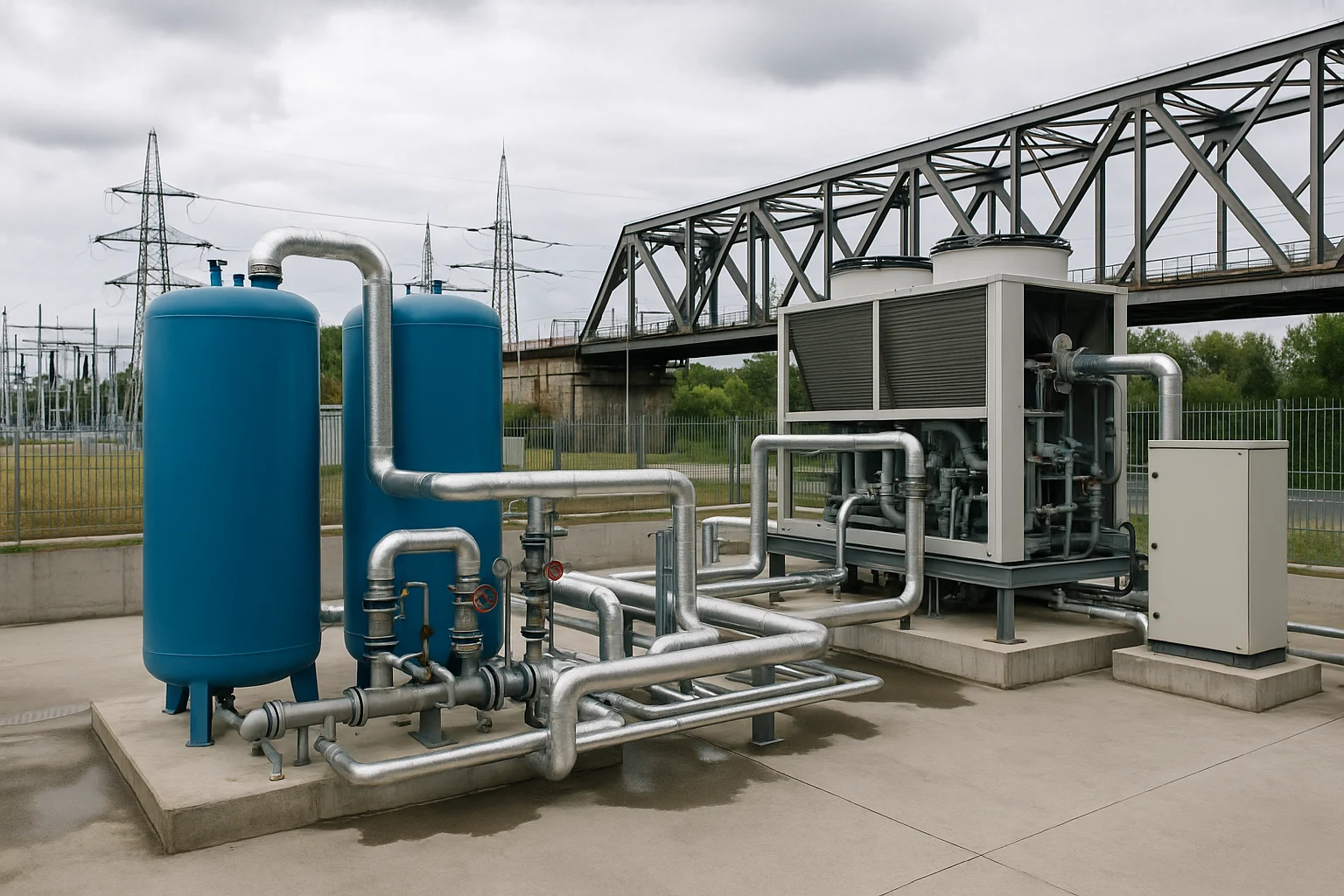
The modern landscape of engineering demands a reevaluation of traditional practices, emphasizing environmental responsibility alongside functionality and cost-effectiveness. In the European Union (EU), the drive toward low-carbon solutions in the construction sector is deeply intertwined with regulatory frameworks, economic incentives, and the pressing need to mitigate climate change. One of the promising approaches gaining traction is the integration of thermal storage within mechanical, electrical, and plumbing (MEP) systems. This article presents a comprehensive market outlook on low-carbon MEP strategies utilizing thermal storage, exploring key drivers, potential risks, and future trends within the next 12 to 24 months.
Understanding Thermal Storage in MEP Systems
Thermal storage systems are designed to store thermal energy for use at a later time, effectively decoupling energy consumption from production. In the context of MEP, these systems can significantly enhance energy efficiency, reduce operational costs, and lower carbon emissions. They primarily serve two purposes:
- Load Shifting: Thermal storage allows for the shifting of energy usage to off-peak hours, when electricity rates are lower and environmental impacts are reduced.
- Demand Response: By storing energy during low-demand periods and utilizing it during peak demand, thermal storage helps in balancing energy loads on the grid.
The Regulatory and Market Framework in the EU
The EU has established several regulations and directives aimed at promoting energy efficiency and sustainability. Key policies include:
- The European Green Deal: A significant initiative aimed at making Europe the first climate-neutral continent by 2050, encouraging investment in green technologies.
- Energy Efficiency Directive (EED): Mandates improvements in energy efficiency across various sectors, including the construction and real estate industries.
- Renewable Energy Directive (RED): Aims to ensure that at least 32% of the EU's energy consumption comes from renewable sources by 2030.
These frameworks create a favorable environment for the adoption of low-carbon technologies, including thermal storage in MEP systems, fostering a market ripe for innovation.
Drivers of the Low-Carbon MEP Market
Several factors are propelling the growth of low-carbon MEP strategies with thermal storage:
- Technological Advancements: Innovations in thermal energy storage technology, including phase change materials and advanced control systems, are making these solutions more efficient and cost-effective.
- Building Certification Standards: Green building certifications, such as BREEAM and LEED, are increasingly integrating energy efficiency criteria, encouraging developers to adopt low-carbon solutions.
- Public Awareness and Demand: Growing public awareness of climate change is driving demand for sustainable practices, pushing real estate developers and builders to seek low-carbon solutions.
- Financial Incentives: Government subsidies and incentives for implementing energy-efficient technologies lower the financial barrier for adopting thermal storage solutions.
Emerging low-carbon MEP engineering strategies are reshaping HVAC and thermal storage planning across EU markets.
Risks and Challenges Facing the Sector
Despite the positive outlook, certain risks and challenges may hinder the widespread adoption of low-carbon MEP strategies:
- High Initial Costs: While operational costs may be reduced, the upfront investment in thermal storage systems can be a significant barrier for some projects.
- Regulatory Uncertainty: Frequent changes in regulations can lead to unpredictability in compliance costs, impacting project feasibility.
- Market Competition: As more companies enter the low-carbon market, competition can drive down prices, potentially impacting service quality and innovation.
Market Outlook: 12-24 Month Forecast
Looking ahead, the market for low-carbon MEP strategies with thermal storage is expected to evolve significantly over the next two years:
- Increased Adoption: More developers and builders will likely incorporate thermal storage systems into their projects as awareness of their benefits grows.
- Expansion of Incentive Programs: EU governments may expand financial incentives to support the adoption of low-carbon technologies as part of their commitment to climate goals.
- Enhanced System Integration: Innovations will lead to better integration of thermal storage with other renewable energy sources, such as solar and wind, creating a more robust energy management system.
Conclusion
The shift towards low-carbon MEP strategies, particularly those leveraging thermal storage, represents a significant advancement toward achieving sustainable engineering practices in the EU. With supportive regulatory frameworks, technological advancements, and increasing market demand, professionals in engineering, architecture, and real estate have a unique opportunity to lead in the transformation of the construction industry. While challenges remain, the future outlook for low-carbon MEP strategies is promising, pointing toward a more sustainable built environment.