Adaptive Façades with Passive Priorities: A Q&A with Industry Expert Dr. Emma Carson
In this interview, we delve into the innovative world of adaptive façades, focusing on their passive design priorities, sustainability, and how they can revolutionize building performance.
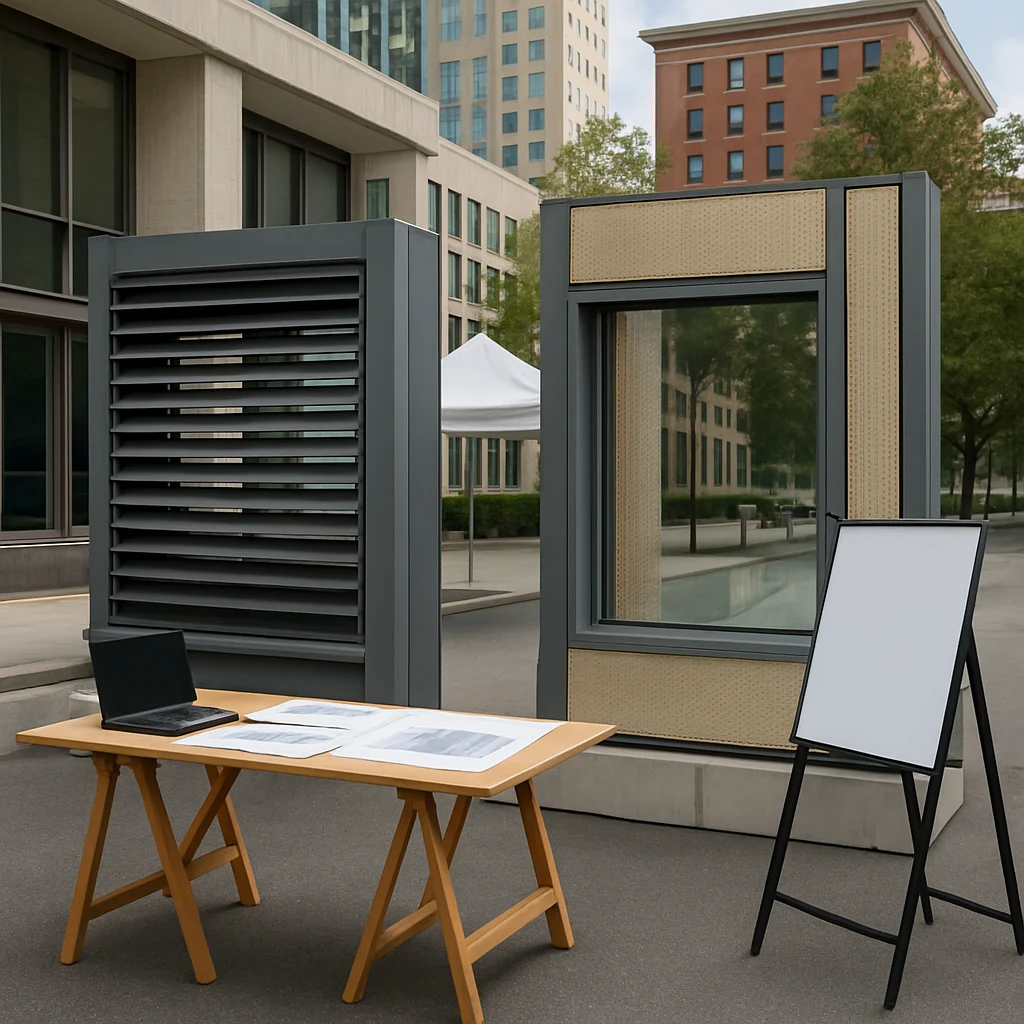
As architects and engineers strive for more sustainable and energy-efficient buildings, the concept of adaptive façades has gained significant traction. To gain insights into this innovative approach, we spoke with Dr. Emma Carson, a leading expert in architectural engineering and building performance.
Understanding Adaptive Façades
Q: Dr. Carson, can you explain what adaptive façades are and why they are important?
A: Adaptive façades are dynamic building envelopes that can adjust their properties to respond to external environmental conditions, such as sunlight, temperature, and wind. This adaptability is crucial as it enhances the building's energy efficiency and occupants' comfort. With climate change and rising energy costs, developing buildings that can adapt passively to their environment is more important than ever.
Passive Design Priorities
Q: What do you mean by 'passive priorities' in the context of adaptive façades?
A: Passive priorities refer to design strategies that rely on the building's natural environment to regulate temperature and light without the need for active mechanical systems. By using materials and designs that harness natural resources, adaptive façades can significantly reduce energy consumption and reliance on HVAC systems, leading to lower operational costs and a smaller carbon footprint.
Benefits of Adaptive Façades
Q: What are some of the key benefits of implementing adaptive façades in building design?
- Energy Efficiency: Adaptive façades can optimize energy use by actively controlling heat gain and loss, thereby reducing reliance on artificial heating and cooling.
- Enhanced Comfort: By managing light and temperature, these façades create a more comfortable indoor environment for occupants.
- Sustainability: The use of adaptive façades supports sustainable design practices, helping buildings meet green building certification standards.
- Aesthetic Flexibility: They provide architects with new design possibilities, allowing for innovative aesthetics while maintaining functionality.
Technological Integration
Q: What technology is integrated into adaptive façades to achieve their dynamic properties?
A: Various technologies can be incorporated, including:
- Responsive Materials: Materials that change properties in response to temperature or light can enhance energy performance.
- Smart Sensors: These monitor environmental conditions and adjust the façade's position or opacity accordingly.
- Automated Shading Systems: These systems can control light penetration and glare, thus enhancing indoor comfort.
Challenges in Adoption
Q: Are there challenges associated with implementing adaptive façades?
A: Yes, there are several challenges, including:
- Initial Costs: The upfront investment for adaptive façade technology can be high, which may deter some developers.
- Complexity of Design: Integrating advanced systems into building design requires specialized knowledge and can complicate construction processes.
- Maintenance: Some adaptive systems may require ongoing maintenance, adding to long-term operational costs.
Successful Case Studies
Q: Can you provide examples of successful adaptive façade implementations?
A: Certainly! One notable example is the BLOOM building in Chicago, which features an adaptive façade that adjusts based on sunlight exposure. The façade utilizes smart glass to reduce solar heat gain while maximizing daylight. Another example is the EDIFICIO 15 in Mexico City, which employs a dynamic shading system to enhance energy performance dramatically.
Future Outlook
Q: What does the future hold for adaptive façades?
A: The future looks promising as more architects and developers recognize the potential of adaptive façades. With advancements in material science and building technology, we can expect to see even more innovative solutions that will further enhance sustainability in the built environment. I believe adaptive façades will become a standard rather than an exception in modern architecture.
Conclusion
Adaptive façades represent a significant shift toward more sustainable and energy-efficient building design. As we continue to face environmental challenges, these systems will play a crucial role in shaping the future of architecture and urban development. The insights shared by Dr. Emma Carson highlight the importance of innovation, collaboration, and a commitment to passive principles in creating buildings that are not only functional but also environmentally responsible.